In the heat of a medieval battle, few things are as frustrating as watching your catapult fail. Catapult fracture is a critical structural failure that occurs when the main arm, subjected to extreme stress, breaks during launch. This problem not only renders the machine useless but can endanger the crew and the rest of the siege equipment.
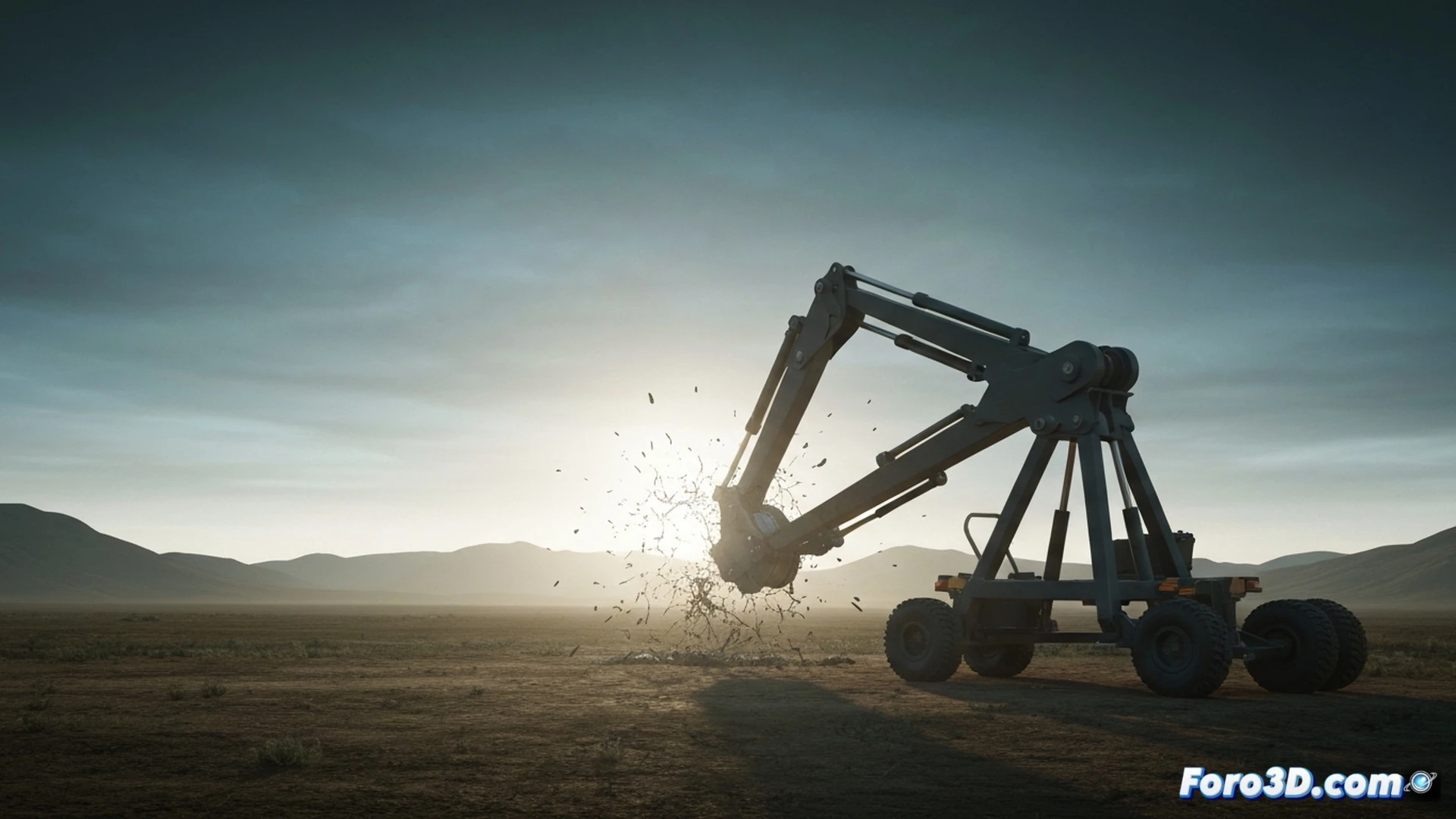
Technical analysis of structural failure in torsion arms ⚙️
The fracture usually originates at the point of greatest stress, near the torsion axle or at the joint with the spoon. The main causes are material fatigue, defects in the wood, or inadequate design for the projectile's weight. To prevent this, it is recommended to use long-fiber woods like ash, reinforce the arm with metal bands, and perform regular visual inspections. Accurate calculation of the maximum load also reduces the risk.
The day your projectile stayed in the spoon 💥
And then, in the middle of the battlefield silence, you only hear a dry crack. Your catapult arm, the one you swore would hold, decides to take a permanent nap. The projectile, instead of flying towards the walls, falls at your feet with a dull thud. The worst part is not the tactical failure, but having to explain to the chief engineer that his masterpiece is now firewood for the bonfire.