Rafael Zapata, a deaf-blind photographer affiliated with ONCE, presents 18 photographs at the Museo Tiflológico in Madrid until October 3. His works, which include landscapes and still lifes, demonstrate how digital editing compensates for his reduced vision. The exhibition invites the public to recognize that people with disabilities actively participate in culture, promoting personal growth and social inclusion.
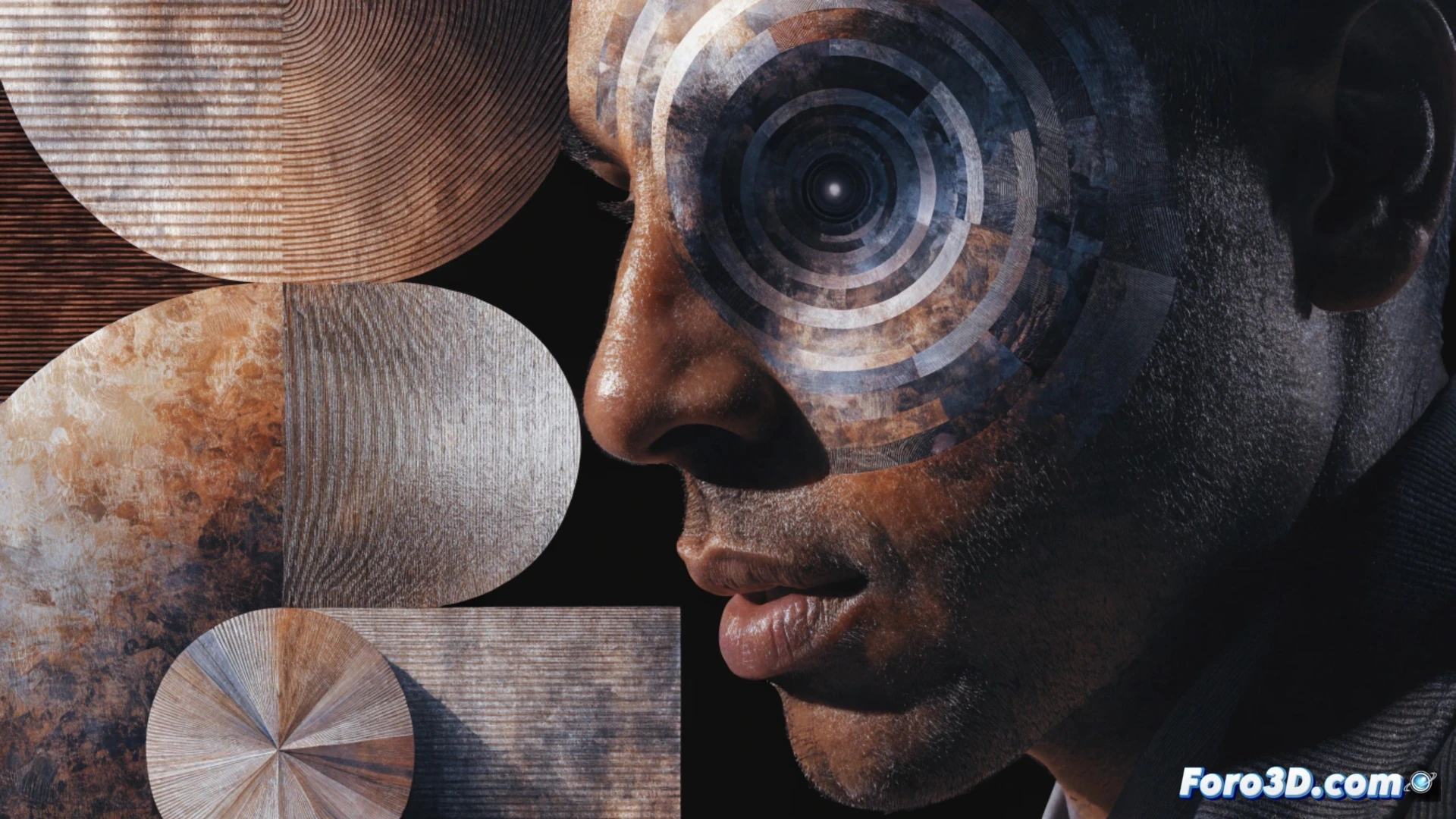
Digital Editing: The Eye That Replaces the Retina 🎨
Zapata uses editing software to adjust contrast, saturation, and sharpness, compensating for his limited visual perception. This technical process allows him to define shapes and textures that his eyesight does not capture at the moment of shooting. The result is images where light and composition are worked on afterwards, transforming photography into a dialogue between the initial capture and digital refinement. It's not magic: it's patience and mastery of tools.
Photos That Even the Healthiest Eye Wouldn't See Without Filters 📸
If you think taking a photo is just pressing a button, Rafael Zapata shows you that even a deaf-blind person can outshine you with his edited still lifes. While many get lost searching for the perfect filter on Instagram, he has already overcome the challenge of seeing what others do not. Next time you complain about digital noise, remember that there are those who work magic with pixels without even seeing the screen.