New Zealand batsman Finn Allen has captured attention for his aggression in the T20 format. This 3D analysis breaks down the biomechanical and technical characteristics that define his style. Factors such as weight transfer, bat angle, and reaction speed are examined, key elements for understanding his performance on the field.
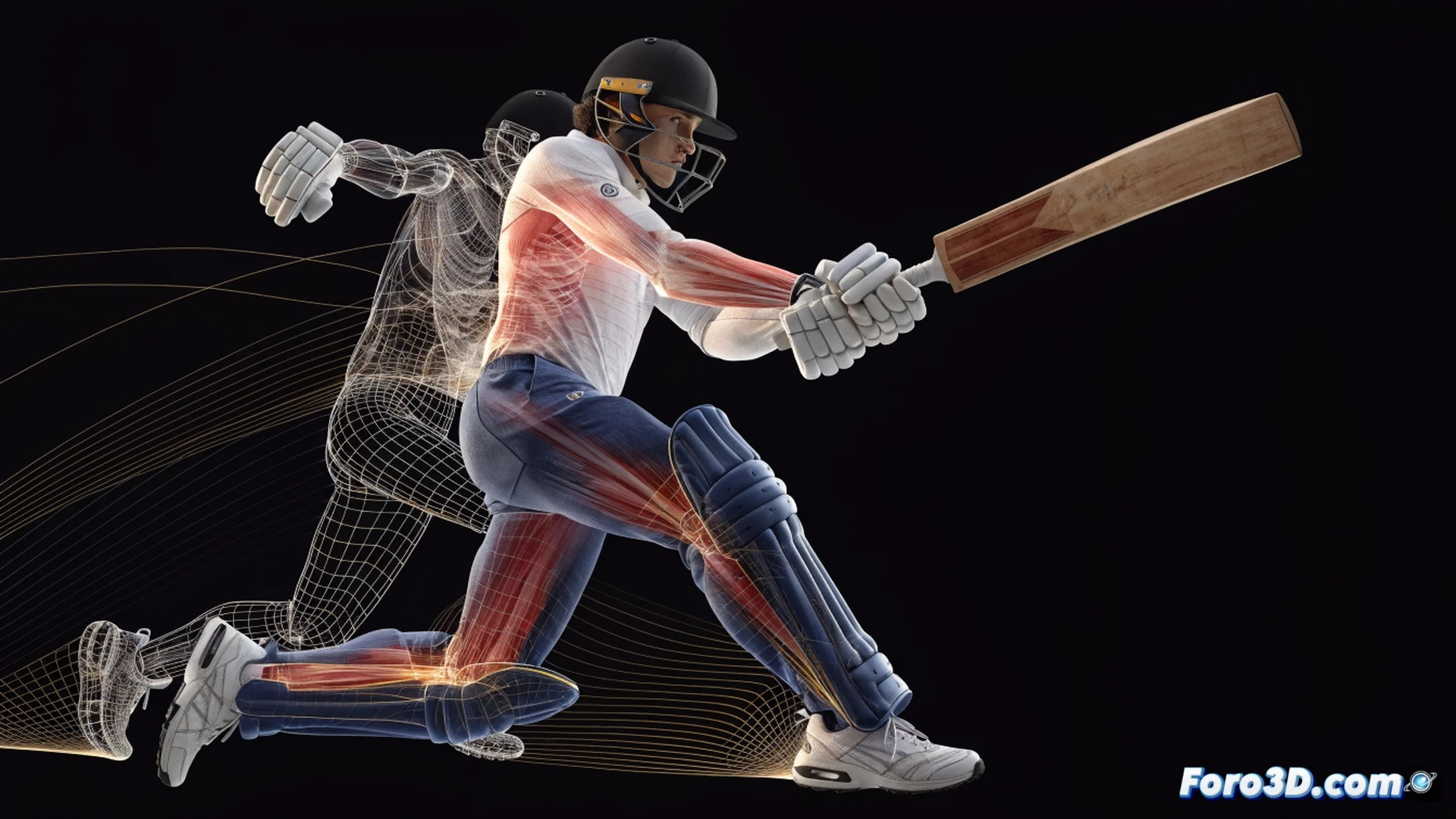
Biomechanics of the swing: Data and performance metrics 🏏
The three-dimensional reconstruction reveals a dynamic center of gravity during the backlift. Allen generates significant torque thanks to the rotation of his hips and shoulders, synchronized with wrist movement. Vector analysis shows that his back foot anchors the base while weight shifts forward, optimizing power at impact. Bat speed exceeds 110 km/h on full swings, a relevant data point for his effectiveness.
The mystery of the cap: Aerodynamic factor or superstition? 🧢
The 3D models have also analyzed his cap. No, it doesn't improve the swing or reduce wind resistance. But it does seem to keep his hair in order during strikes, which is no small feat. Perhaps Allen's real secret lies not in biomechanics, but in preventing a strand of hair from covering his eyes at the crucial moment. Science has its limits.