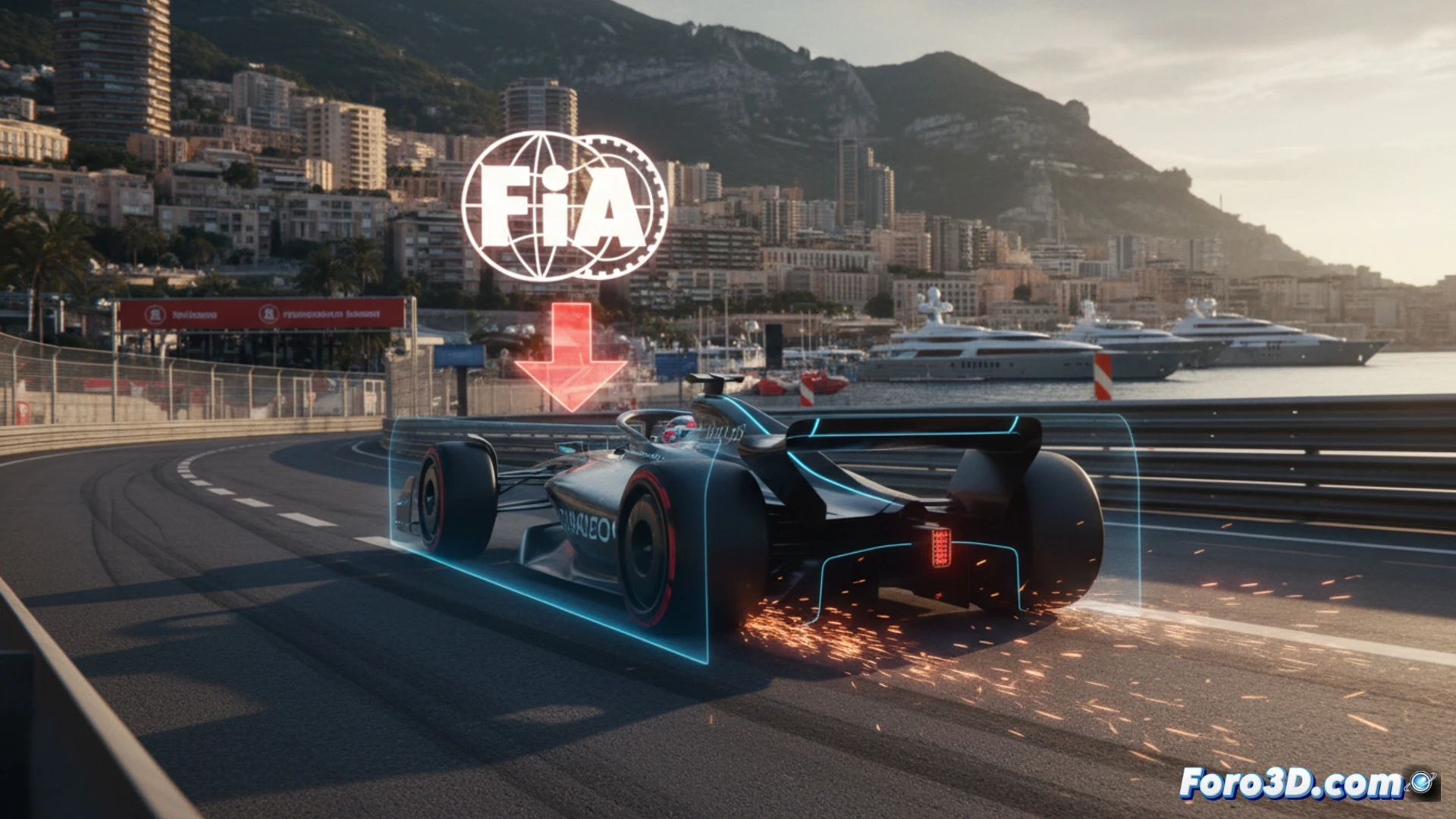
The FIA has decided to limit the power of Formula 1 cars for the Monaco Grand Prix. The street circuit, with no long straights, allows excessive recovery of electrical energy, generating record speeds in dangerous areas. The measure aims to reduce the risk of accidents, prioritizing safety over pure spectacle. The decision confirms that modern cars require constant technical adjustments to adapt to narrow tracks.
Energy management: the technical challenge of the streets 🏎️
The problem lies in the hybrid system. On circuits with frequent braking, such as Monaco, the energy recovery systems (ERS) accumulate more power than the acceleration zones can manage. This allows peak speeds to be reached on short stretches, such as the tunnel exit. The FIA has chosen to cut the maximum electrical delivery to keep speeds within safe margins. It is a pragmatic solution that avoids redesigning the propulsion system.
Monaco: where F1 brakes before accelerating ⚡
Ironic but true: on the slowest circuit on the calendar, the FIA had to limit power so the cars wouldn't be too fast. It's like asking a cheetah to run with a weight on a dance floor. Engineers will have to adjust their engine maps to not exceed the new limit. Meanwhile, drivers can breathe easy: the adrenaline will drop a bit, but the walls will still be there, waiting for their chance.