The transition to electric mobility is causing tensions in the luxury segment. Ferrari and Jaguar have presented prototypes that move away from their classic lines, generating criticism among the most loyal buyers. These customers fear that the essence of the brands will be diluted in favor of an aerodynamic and futuristic design. For the general public, this means that high-end cars will change their appearance, prioritizing efficiency over aesthetic legacy.
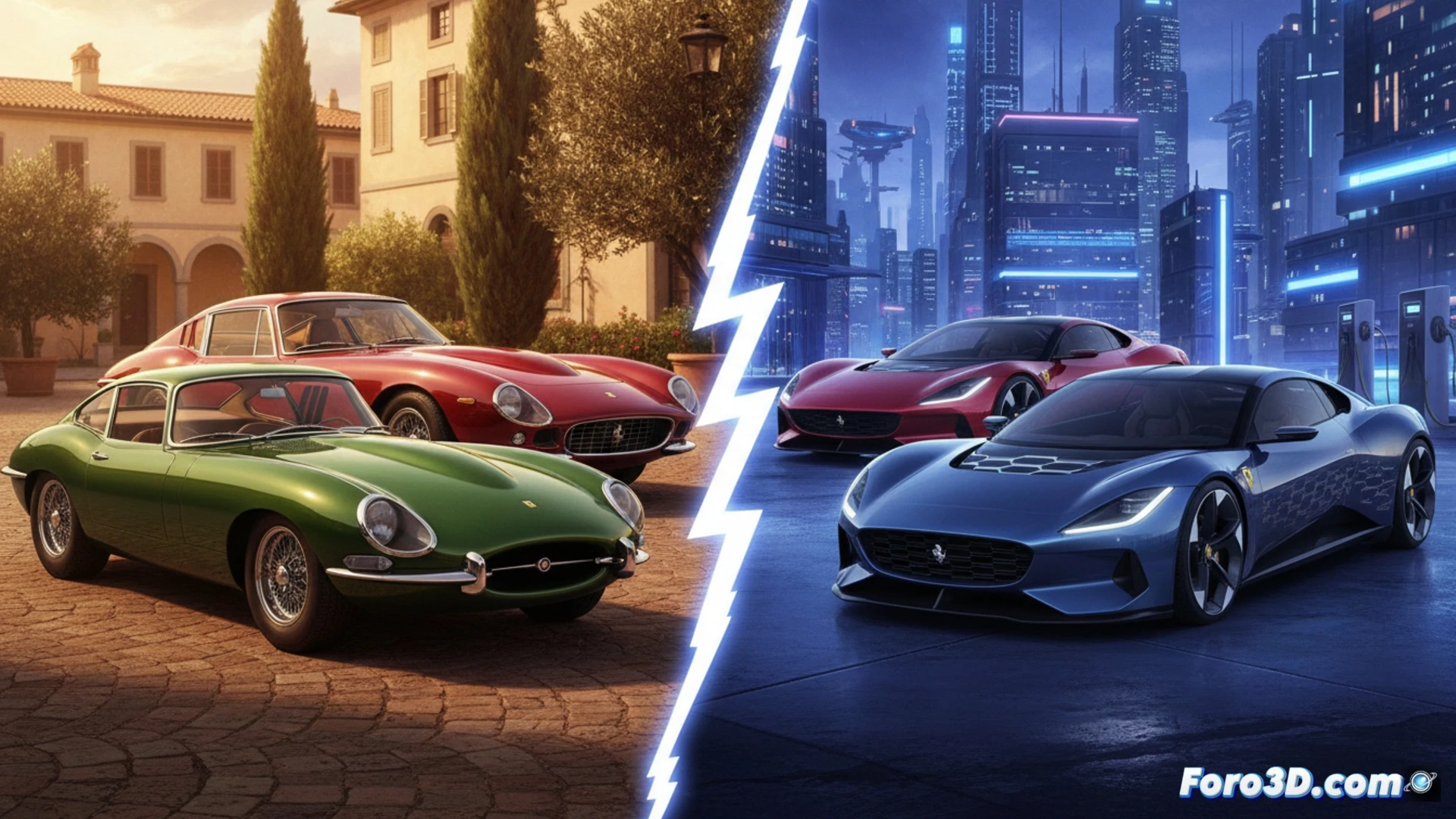
The technical challenge of electrifying without losing identity ⚡
Engineers from both firms face a complex problem: batteries and electric motors impose new proportions on the bodywork. Jaguar has opted for a lower, longer silhouette to reduce aerodynamic drag, while Ferrari is testing modular powertrains that alter weight distribution. However, these solutions clash with iconic elements such as front grilles or rear curves. The challenge is to integrate the technology without the car looking like an appliance on wheels.
Spoiler: the purists are already crying in the parking lot 😭
Fan forums are ablaze with conspiracy theories: that the new Ferrari's grille looks like a vacuum cleaner, that the Jaguar resembles a souped-up delivery scooter. Some suggest the brands hire Dyson vacuum cleaner designers to make the change less painful. Meanwhile, executives try to calm investors with range figures, but no one asks if the roar of the engine can be downloaded as a ringtone. Tradition, it seems, does not plug in.