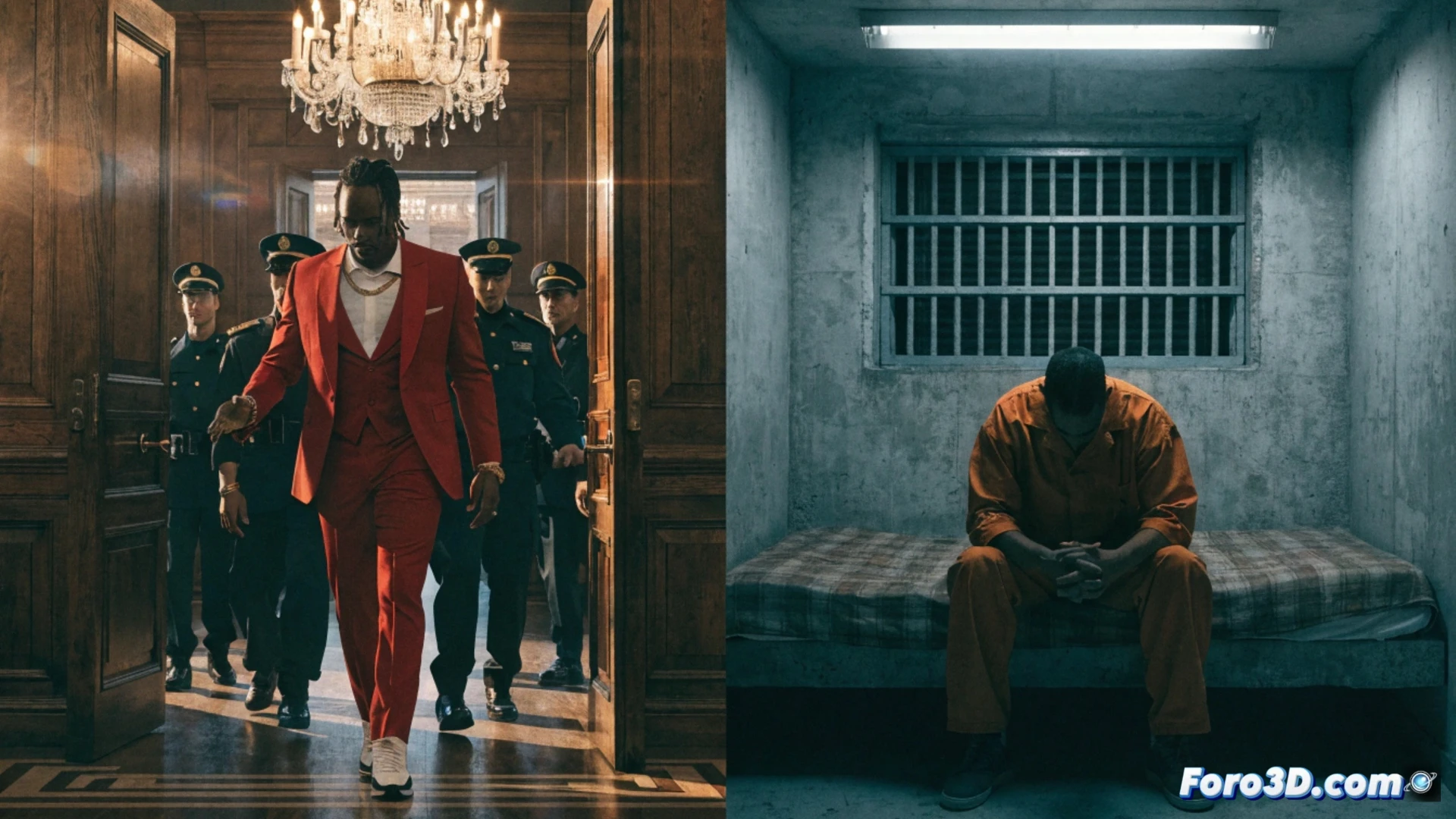
A famous defendant accused of sexual assault is released on bail while an anonymous person awaits in pretrial detention. This disparity reveals a two-tiered justice system where money and popularity buy procedural privileges, perpetuating impunity for those with resources. The solution lies in applying objective and uniform criteria that eliminate any favorable treatment based on fame or wealth.
Judicial algorithms: can technology eliminate class biases? 🤖
The development of artificial intelligence systems to assess the risk of flight or obstruction of justice offers a way to apply uniform criteria. These algorithms, trained on historical data and objective variables such as social ties or criminal record, could replace the discretion that favors the famous. However, they require constant audits to avoid reproducing biases and ensure that technology does not become a new privilege for those who can afford lawyers to manipulate it.
The lawyer of the stars: bail as a discount for the famous ⚖️
It seems that justice has a new loyalty program: if you are famous, pretrial detention becomes a premium service with a popularity discount. While the average citizen waits in a cell, the actor goes out for coffee and to film a cameo in a series. The solution is simple: let the judicial algorithm include a variable called fame coefficient and, when activated, automatically raise the bail until it hurts as much as a movie ticket on opening night.