Filmmaker and actor K Bhagyaraj, known for his ability to weave stories that connected with audiences for five decades, passed away at the age of 73 due to a heart attack at his residence in Chennai. Nicknamed the King of Screenplay, his body of work includes classics where he served as writer, director, and actor. His departure leaves a void in the Tamil industry, but his legacy of popular narratives endures as a reference for new generations. 🎬
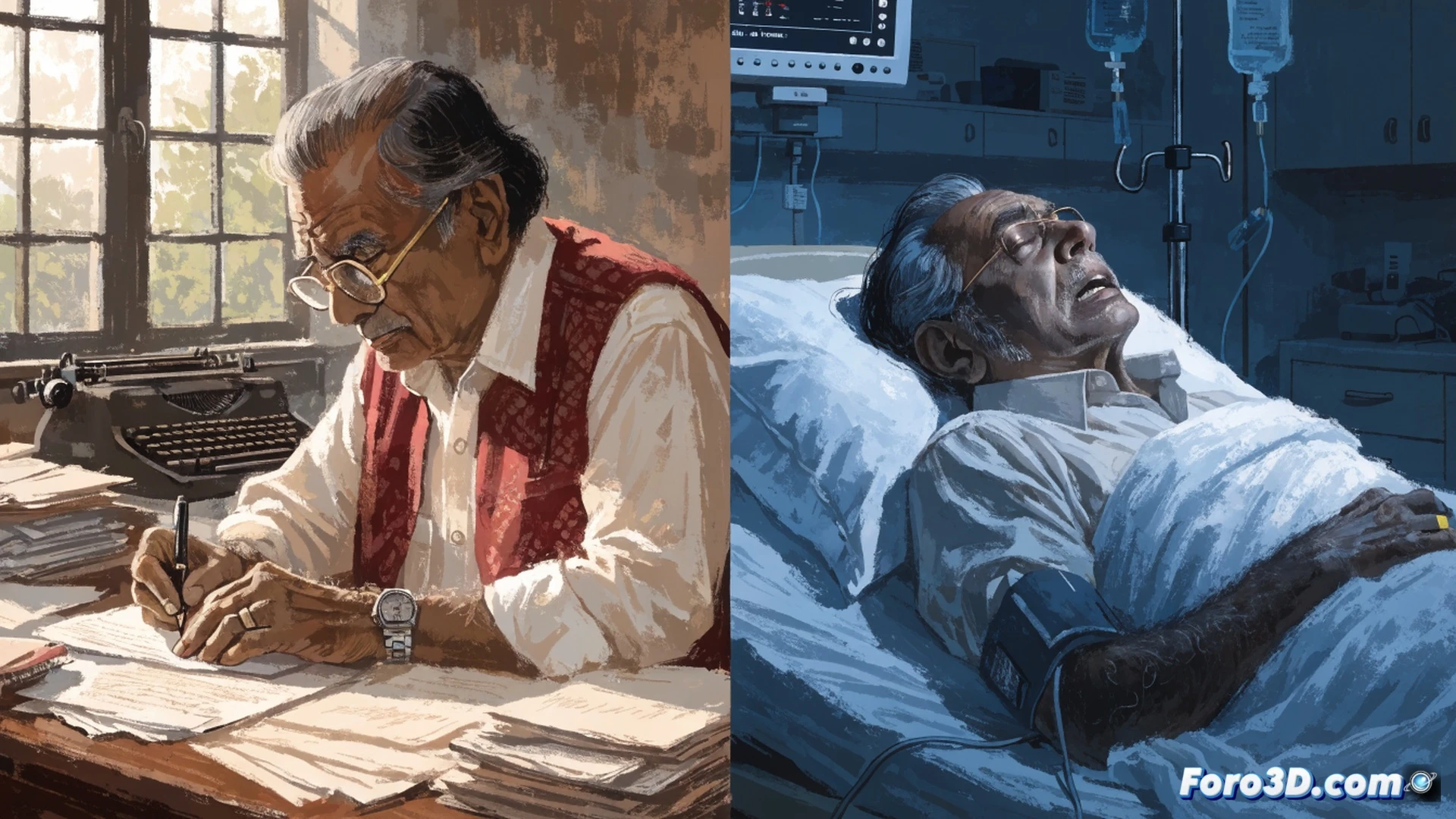
The craft of screenwriting: structure and substance in the streaming era 📝
In a market where digital platforms demand constant content, Bhagyaraj's method offers technical lessons. His approach prioritized precise dialogue and narrative twists that held attention without relying on visual effects. For a script developer, analyzing his three-act rhythm and handling of dramatic tension proves useful. Tools like Final Draft or Celtx allow replicating that structure, but the key lay in his ability to observe everyday life and translate it into functional scenes.
The screenwriter who didn't need a user manual ✍️
While many spend hours watching YouTube tutorials on how to write a blockbuster, Bhagyaraj showed that a pencil, a notebook, and a good eye for family dramas were enough. He didn't need artificial intelligence to suggest dialogue or apps to measure the pace of his text. Just by observing his neighbor arguing with the fruit seller, he already had material for half a movie. In the end, his method was simple: write about real people, not algorithms.