The most ambitious isolation experiment of the year has ended in fiasco. The simulation of a Mars base, located in the Utah desert, was canceled after a gas leak was detected in the modules. The four crew members were evacuated without injuries, but the project raises doubts about preparedness for real missions to the red planet.
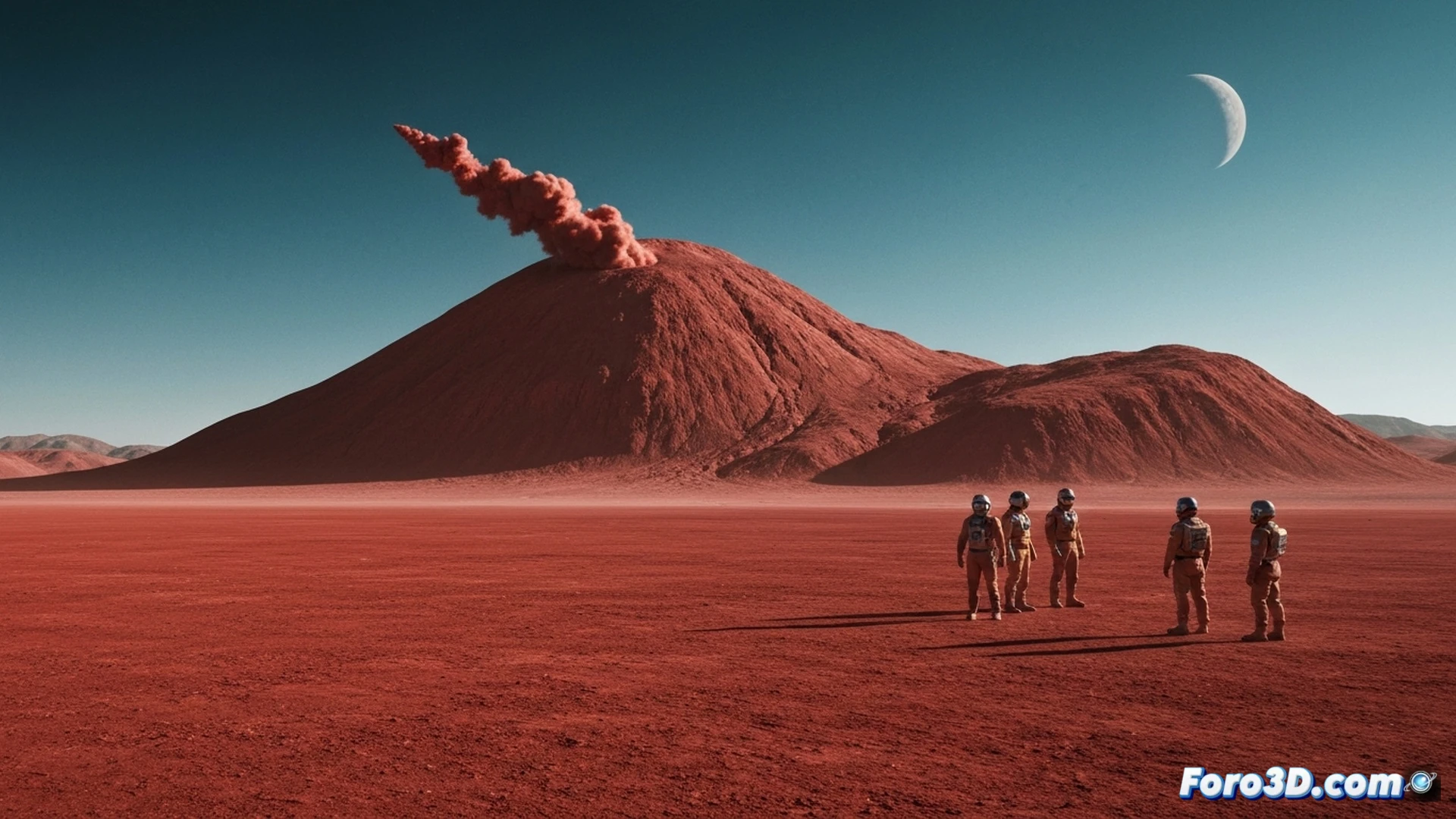
The life support system failed due to a poorly installed seal 🚨
Initial reviews point to an error in the assembly of an oxygen recycling valve. The manufacturer, a startup aerospace components company, did not follow pressure testing protocols. The carbon dioxide leak reached risk levels in less than three hours. NASA sensors triggered the alarm, but the incident reveals that reliance on untested technology remains a risk for space exploration.
At least the spacesuits looked nice in the photos 📸
The volunteers spent six weeks eating freeze-dried food and sleeping on aluminum bunk beds for nothing. Now they return home with a participation certificate and a space agency bracelet. However, the promotional images of the habitat with sepia filters are going viral on social media. Perhaps the next simulation should include an instruction manual for the valves.