Precision in robotics is measured in microns, but a failure in a micro-gripper can halt an entire production line. These tiny mechanical arms, designed to manipulate microscopic components, present recurring grip and wear issues. We analyze the technical causes of this headache in industrial automation. 🤖
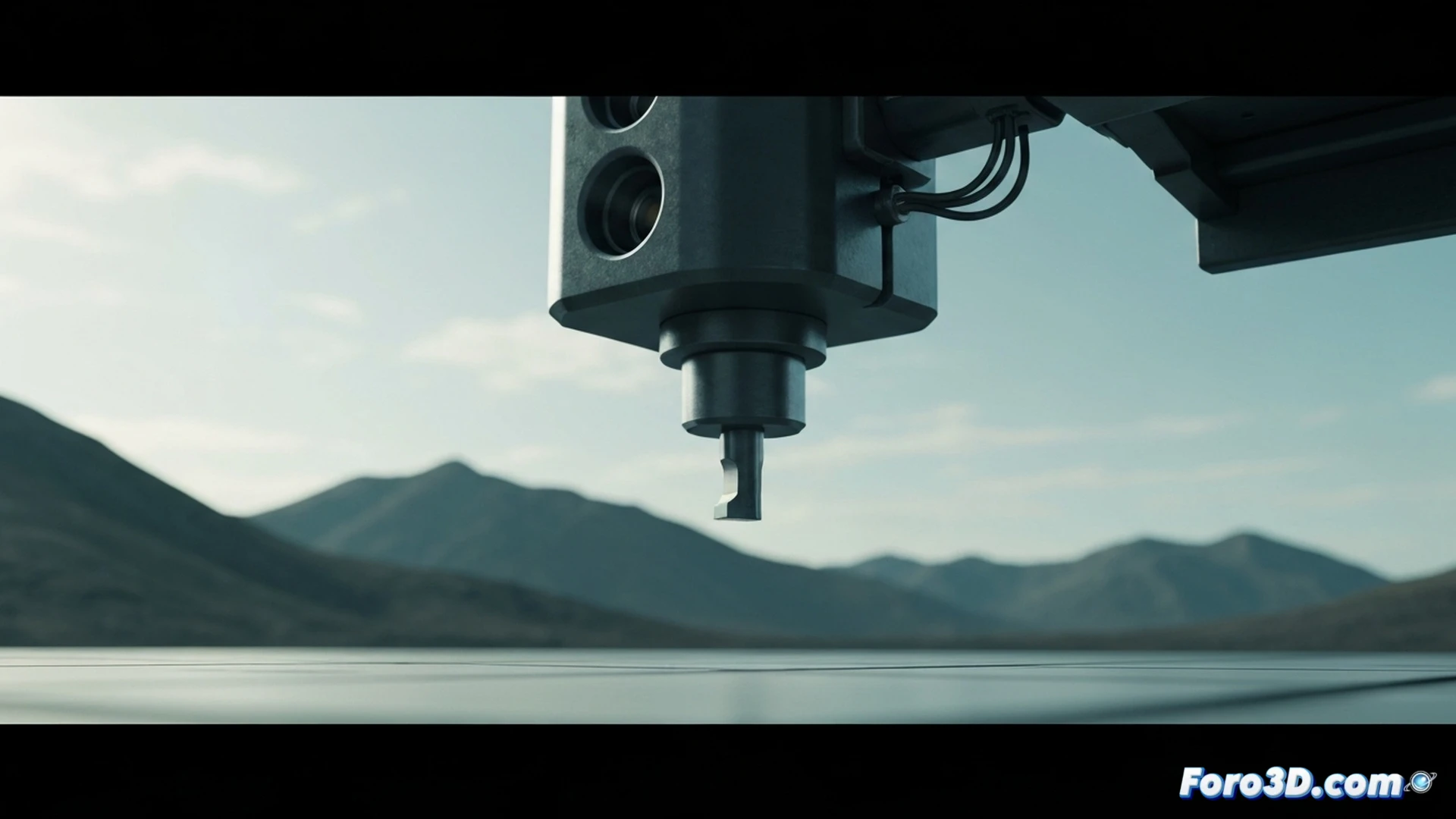
The grip dilemma: precision vs. material fatigue 🔧
The main problem with the micro-gripper lies in its repetitive actuation. The carbide or silicon tips, subjected to thousands of cycles per hour, lose tolerances due to thermal and mechanical fatigue. Added to this is particle contamination, which alters surface friction. The current solution involves real-time force sensors and DLC coatings, but the failure rate remains high in vacuum environments. A misalignment of 0.1 microns is enough to drop an optical lens.
The thumb that was never invented for robots 🤦
Watching a micro-gripper drop a part a thousand times in a row is like watching a novice waiter drop the tray during rush hour. Engineers rack their brains with shape memory alloys, but the reality is that these critters break due to a speck of dust or a calibration error. The moral: no matter how fine the technology, even a 40,000 euro robot can have a bad day.