Crawler maritime transport systems face a significant setback. A structural failure in the undercarriage chain of a key unit has temporarily halted cargo operations at the port. Technicians are assessing damage to the links and rollers while spare parts are being sourced from abroad. The repair is expected to take several days, affecting dispatch schedules.
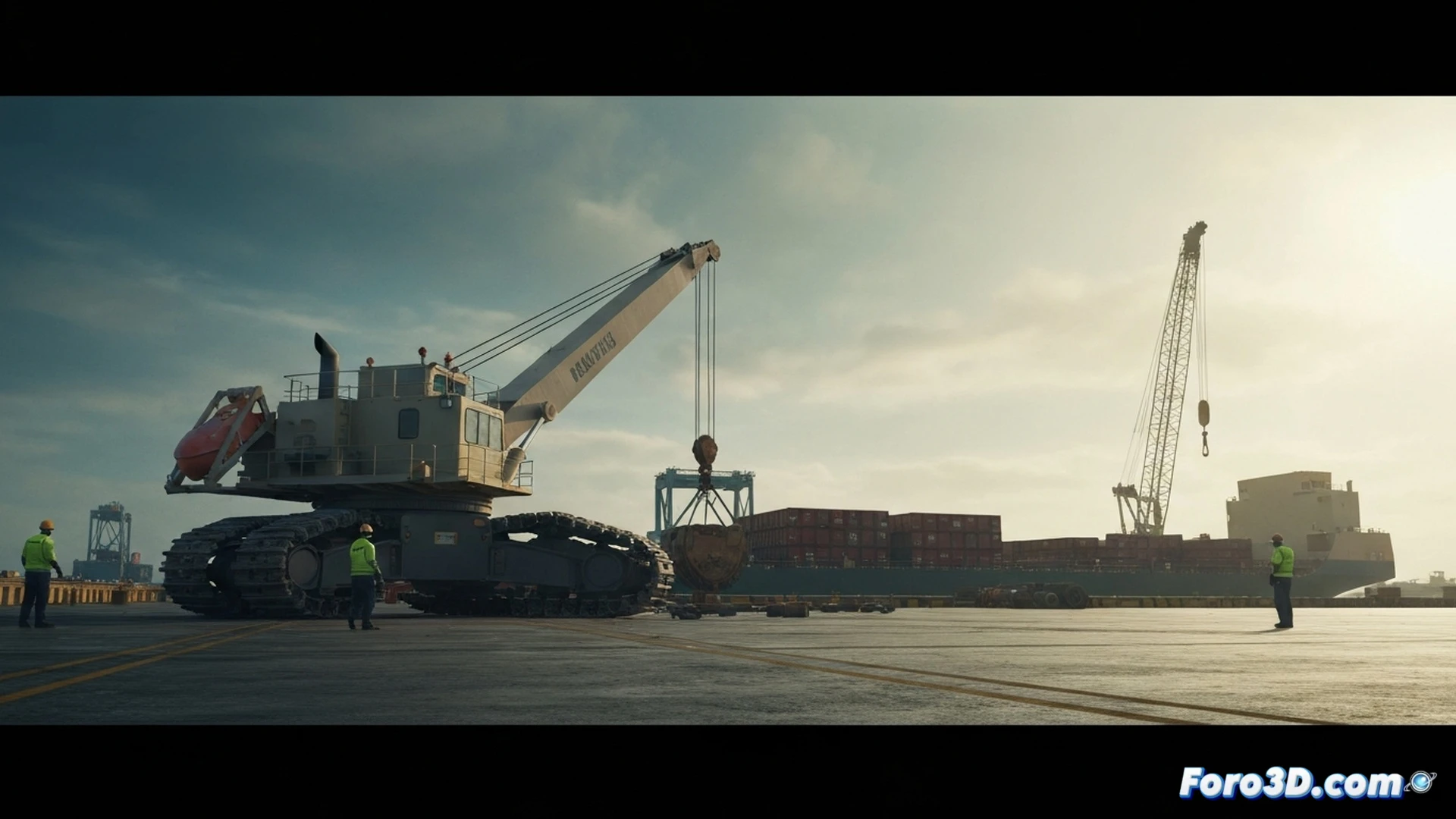
Technical analysis of the undercarriage system failure 🔧
The breakdown is located in the running gear, specifically in the connecting pin of the main link. Material fatigue, combined with salt corrosion, generated a microcrack that led to complete fracture. Engineers have requested a metallurgical analysis to determine if the steel used meets hardness specifications. The maintenance manual indicates an inspection every 500 hours, but the part failed at 320 hours of service.
The crawler takes an unscheduled break at the dock 😅
It seems the crawler decided to take a pause to contemplate the maritime scenery, just when it was most needed. Workers comment that the machine, instead of loading containers, now serves as a modern sculpture of wet scrap metal. While bureaucrats argue over whether the blame lies with the manufacturer or the weather, the crawler remains there, rusting in style and blocking the path of the cranes.