When an aircraft loses lift mid-flight, the silence that precedes the chaos conceals an implacable physical truth. Aerodynamic failure is not a simple mechanical error; it is the rupture of the delicate balance between pressure and velocity that keeps a structure airborne. From the collapse of bridges due to resonance to the stall of a commercial jet, this phenomenon marks the point of no return in most aviation disasters. Analyzing its origin means uncovering the exact moment when physics ceases to be an ally and becomes an executioner.
Fluid Dynamics and the Critical Point of Lift ✈️
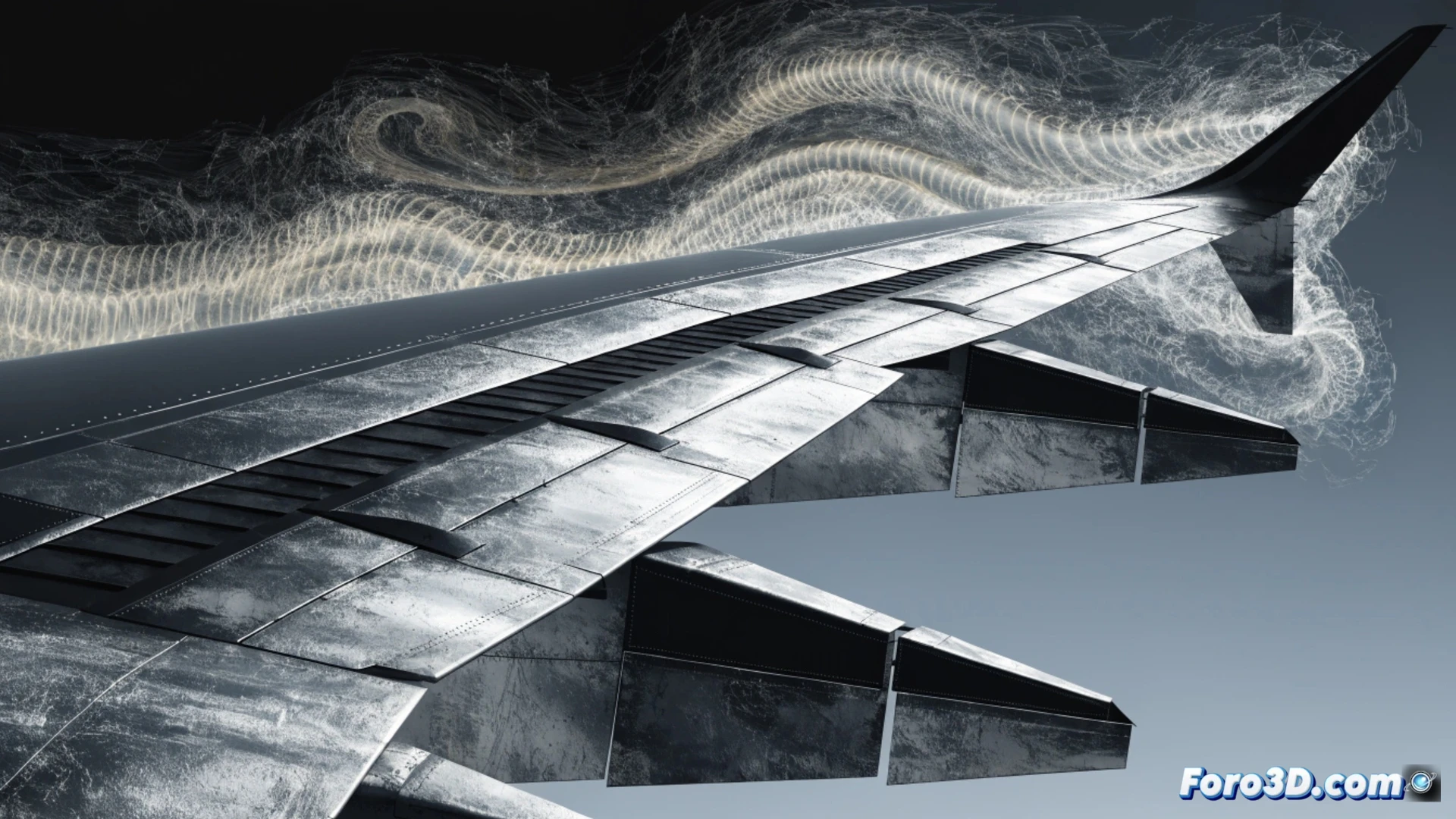
To understand the disaster, we must model the airflow over an airfoil. Under normal conditions, air accelerates over the extrados (upper part of the wing), generating a low-pressure zone that sucks the aircraft upward. Aerodynamic failure occurs when the angle of attack exceeds a critical threshold, causing the boundary layer to separate. Using CFD (Computational Fluid Dynamics) simulations, we can visualize how the laminar flow detaches and creates massive turbulence. At that instant, lift plummets while parasitic drag skyrockets. The 3D forensic reconstruction shows that the wing does not stop functioning: the air becomes an invisible wall that pushes the aircraft toward the ground with no possibility of recovery.
Lessons Carved in the Wind 🌪️
Each simulation of an aerodynamic failure is a mirror of human arrogance in the face of natural laws. Forensic engineers do not only look for design flaws; they trace calculation errors, material fatigue, or even unforeseen climatic factors. By studying these catastrophes in 3D models, we remember that air, though invisible, is the most relentless force. There are no propellers or engines that can save a structure that has lost the favor of the flow. The next time we see an airplane take off, let us understand that its flight is a temporary concession from the wind, not an acquired right.
What exactly happens to the airflow over the wings in the seconds before a total loss of lift, and why is the silence in the cockpit a more dangerous signal than the noise of structural vibration?
(PS: Simulating catastrophes is fun until the computer melts down and you are the catastrophe.)