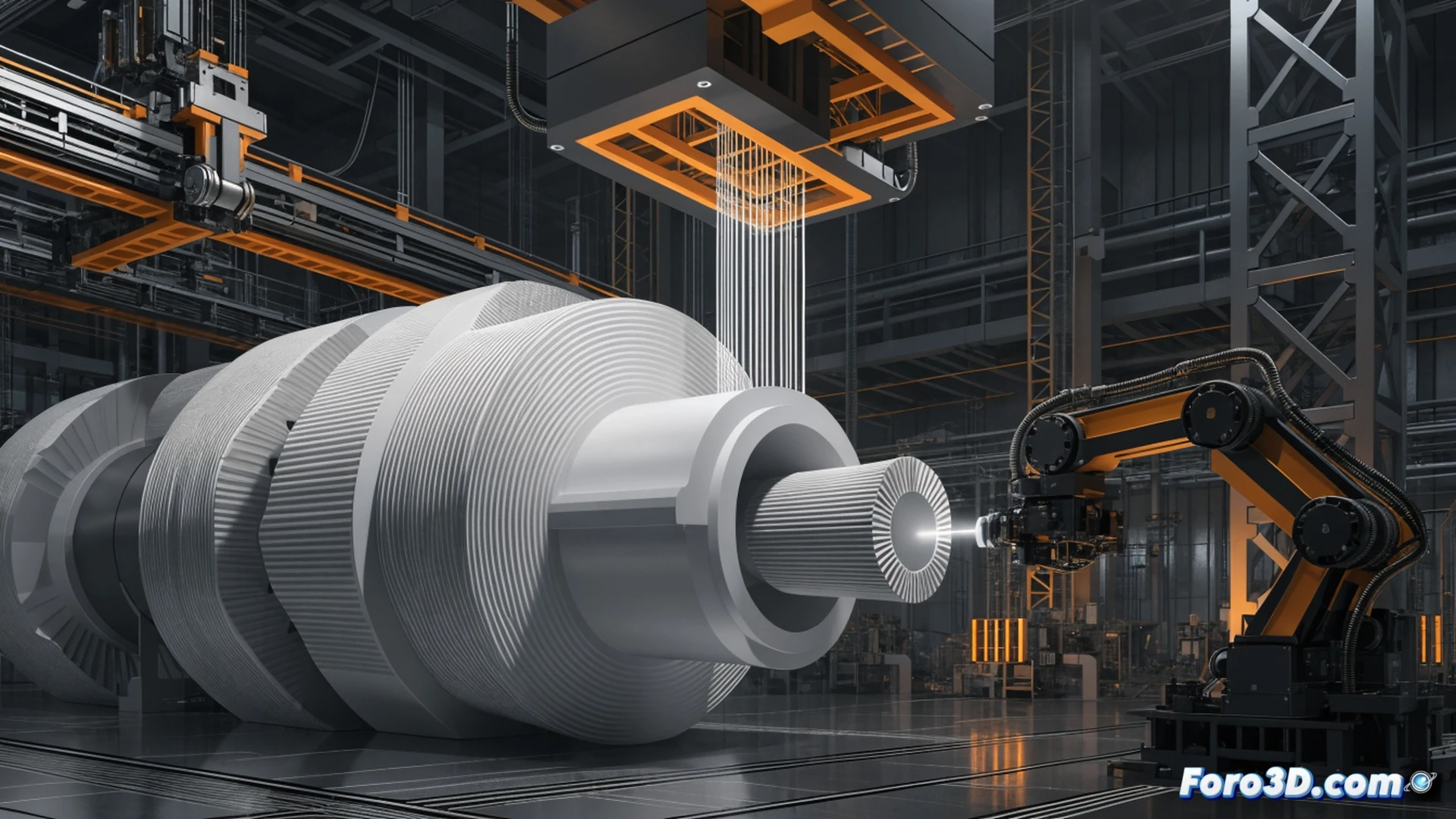
Cead and Comau have integrated large-format 3D printing to manufacture industrial parts with greater speed and less material waste. This technique allows for the creation of large components, such as heavy machinery parts, more efficiently than traditional methods. The result is more agile processes and a significant reduction in supply chain costs.
The technical leap towards large and precise parts 🚀
The key lies in the use of robots and extrusion heads that deposit material layer by layer without the need for molds. This eliminates long setup times and allows designs to be modified on the fly. By generating less waste, the use of polymers and metals is optimized. For the consumer, this could translate into cheaper products with customization options that were previously unfeasible in mass production.
Goodbye mold, hello to the part you didn't ask for 😅
Now, if your garden machine breaks, instead of waiting three months for a cast part, you could receive it 3D printed in two days. Of course, as long as the neighbor hasn't used the same printer to make an exact replica of their caliper. But hey, at least the leftover plastic is recycled and doesn't end up in the ocean. That said, just don't let your boss find out that parts are now being made faster than his weekly reports.