ExxonMobil has incorporated 3D printing with titanium in one of its refineries, achieving a 42% cost reduction and shortening timelines from weeks to just 58 hours. The technology demonstrates its potential in harsh industrial environments. However, the savings generated are not passed on to the end consumer.
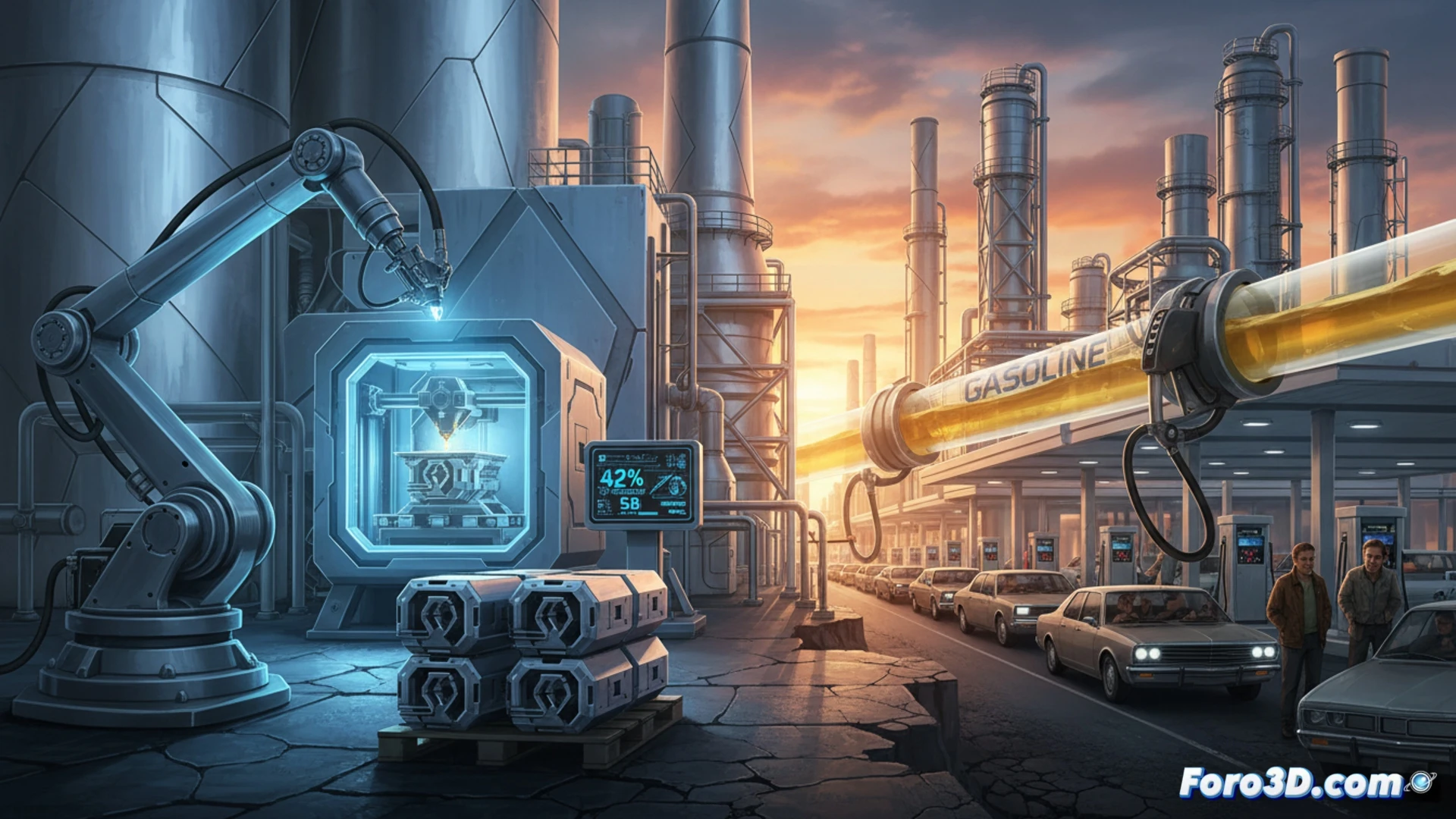
Titanium printed parts for critical environments 🔧
The part in question is a centrifugal compressor impeller, manufactured in titanium using laser powder bed fusion. ExxonMobil certified that the component meets the refinery's pressure and temperature standards. Digital production allowed the elimination of tooling and reduced material waste, a solid technical advancement. The entire process, from design to installation, was completed in less than three days.
The oil company rubs its hands, you fill up the tank 💸
ExxonMobil celebrates its 42% savings while the citizen pays the same per liter of gasoline. Efficiency is for shareholders, not for the driver's pocket. It's like a waiter charging you the same menu price but proudly telling you: Look how fast I made the coffee. 3D printing is great, but the extra margin doesn't go to the gas pump.