The European Union is trying to position itself as a mediator in the conflict between Ukraine and Russia, but before sitting down at the table, it is already setting unilateral conditions. Demanding that one of the parties accept prior rules is not negotiating; it is dictating. In an environment where distrust is the norm, this strategy only adds fuel to the fire and pushes any possibility of real dialogue further away.
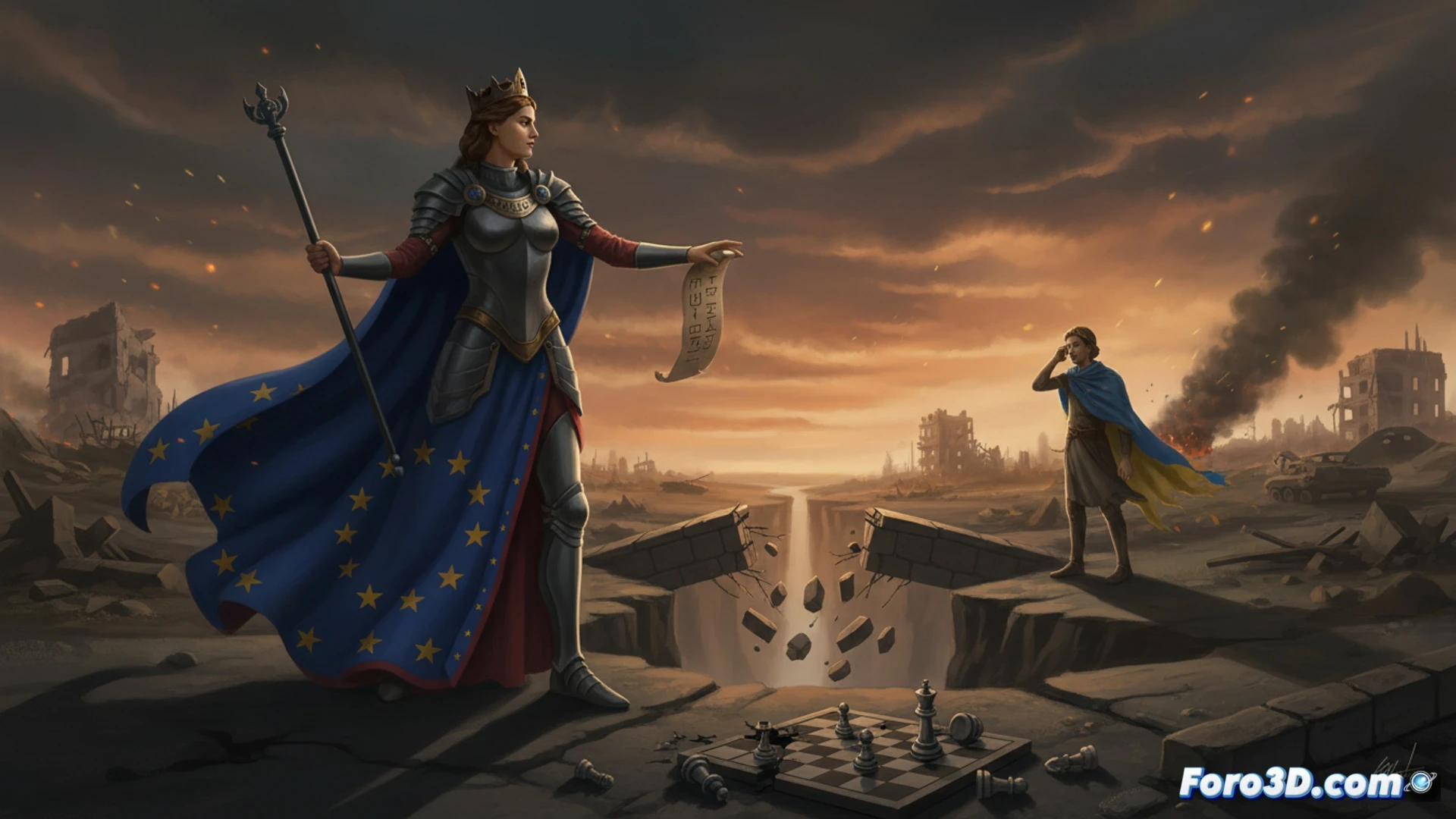
Diplomacy needs algorithms, not impositions 🤖
In the development of negotiation protocols, the key is not to impose initial rules, but to create a flexible framework that allows both parties to give ground without losing face. Digital mediation platforms, like those used in commercial conflicts, apply scoring systems and reciprocal concessions. Europe should study these technical models before launching ultimatums that, far from resolving, generate more noise in the communication channel.
The mediator who arrives with their own instruction manual 📜
Imagine you call a friend to mediate a couple's quarrel, and upon arriving, they hand you a 20-page contract with their conditions. Well, that's exactly what Brussels does. It wants peace, but first demands that Ukraine and Russia sign a compliance form. Next, they'll ask for a proof of registration and two passport-sized photos. That's not how you resolve even a disagreement in a neighborhood community.