While Brussels pursues Russian ships evading sanctions to contain energy prices, it continues to import crude oil and gas from authoritarian regimes like Saudi Arabia or Algeria. The paradox is evident: it fights a symptom, but feeds the same disease of dependence and speculation.
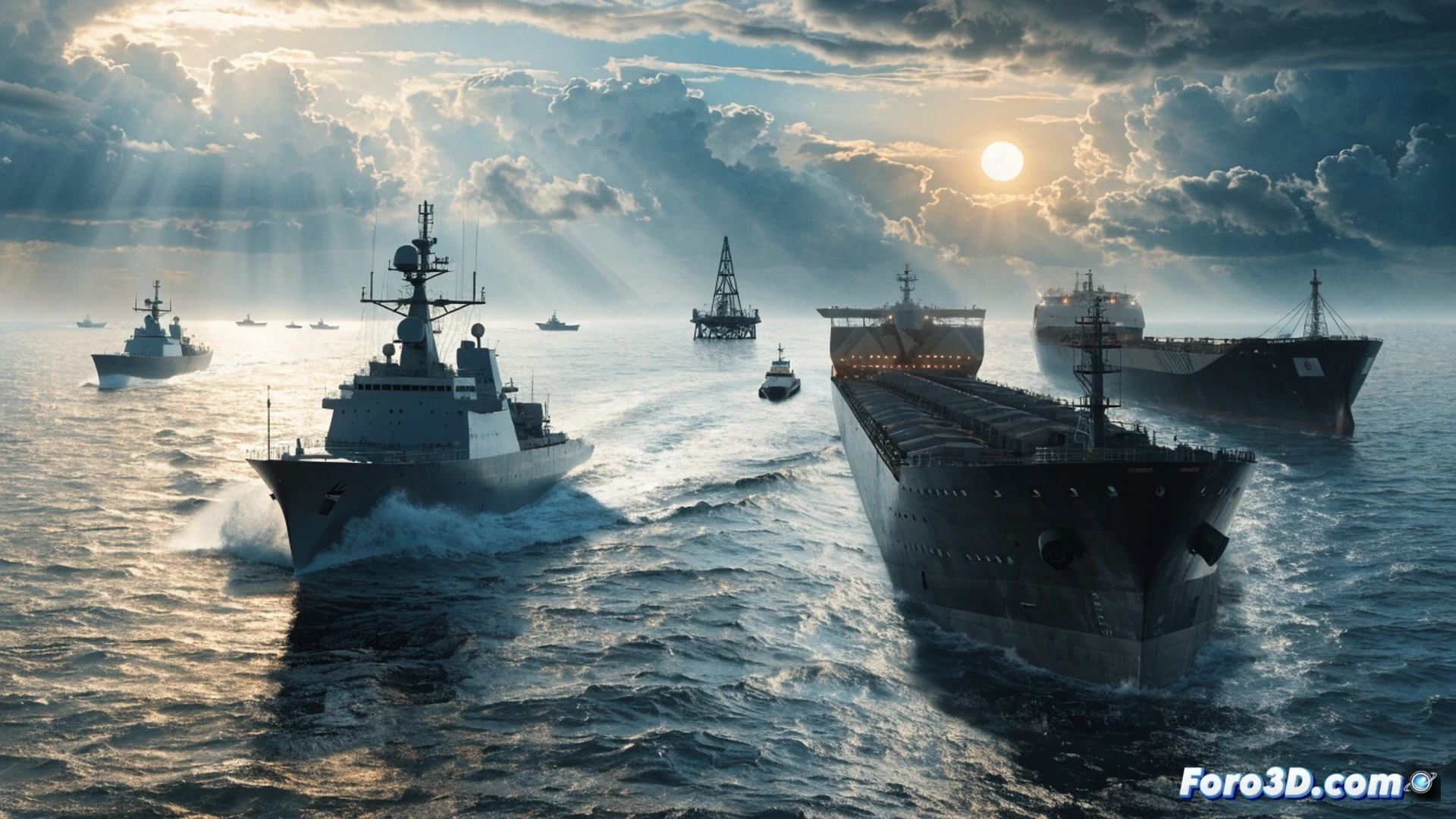
Community renewables as an alternative to naval surveillance 🌱
Current technology allows installing solar panels on neighborhood rooftops or low-power wind turbines in local cooperatives, reducing demand for external fuels. Storage systems with second-life batteries and smart distribution grids can decentralize supply. While the EU spends resources tracking ghost tankers, direct investment in these community infrastructures would cut dependence on any regime, without needing more sanctions.
The allies' ghost fleet, the one that doesn't bother 🛢️
It turns out that the same business model they pursue in the Baltic is perfectly accepted when oil comes from Norway or Qatar. The difference is that some have missiles and others have green bonds. Meanwhile, the citizen pays the bill and wonders why they don't put the same effort into installing solar panels on their building as they do into photographing cargo ships from drones.