The Spanish artistic swimming team closed the World Cup in Pontevedra with nine medals, making it clear that their bet is no longer on technical rigidity. With routines like La Locura and the new technical exercise Hope, the team moved the audience by prioritizing spectacle over traditional norms. The debut of the acrobatic routine with Rosalía was another success that connected the sport with popular culture.
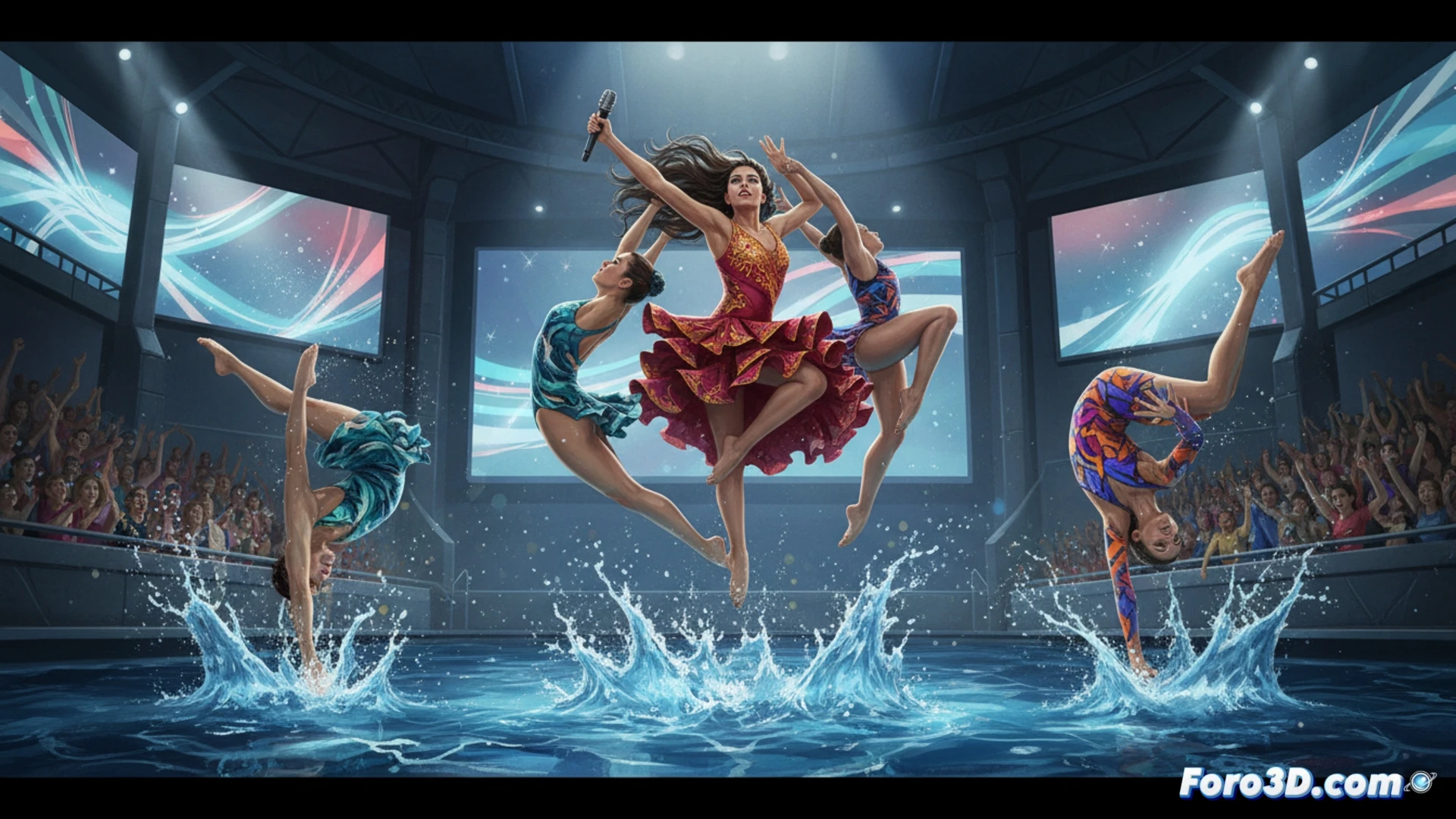
Technical innovation: when risk surpasses millimeter perfection 🤿
The team has developed an approach where creativity and the execution of high-risk movements take precedence over the millimeter perfection of classic figures. The Hope routine, for example, incorporates faster transitions and synchronized spins that aim to generate visual impact, rather than replicating predictable patterns. This strategy, which combines biomechanical training with choreographic design, allows swimmers to explore limits that were previously avoided to avoid losing points in competition.
The madness of swimming with Rosalía: the risk of being a trending topic 🎶
And while other teams continue to copy routines from ten years ago, Spain decides that its thing is to mix strokes with Rosalía's rhythms. The result: an acrobatic routine that, if it weren't for the fact that the swimmers don't breathe, could pass for a music video. Of course, the judges still don't know whether to score the synchronization or the number of times the audience sang the chorus. At least, if they fail, they can always say it was art.