Spain has reached 15 million registered pets, surpassing for the first time the population under 30 years of age, according to data from the INE. This trend reflects the decline in birth rates, the rise of single-person households, and the growing role of animals in emotional well-being. For the citizen, it is no longer a whim: pets are household members that impact insurance, housing, and leisure, marking a significant social and economic shift.
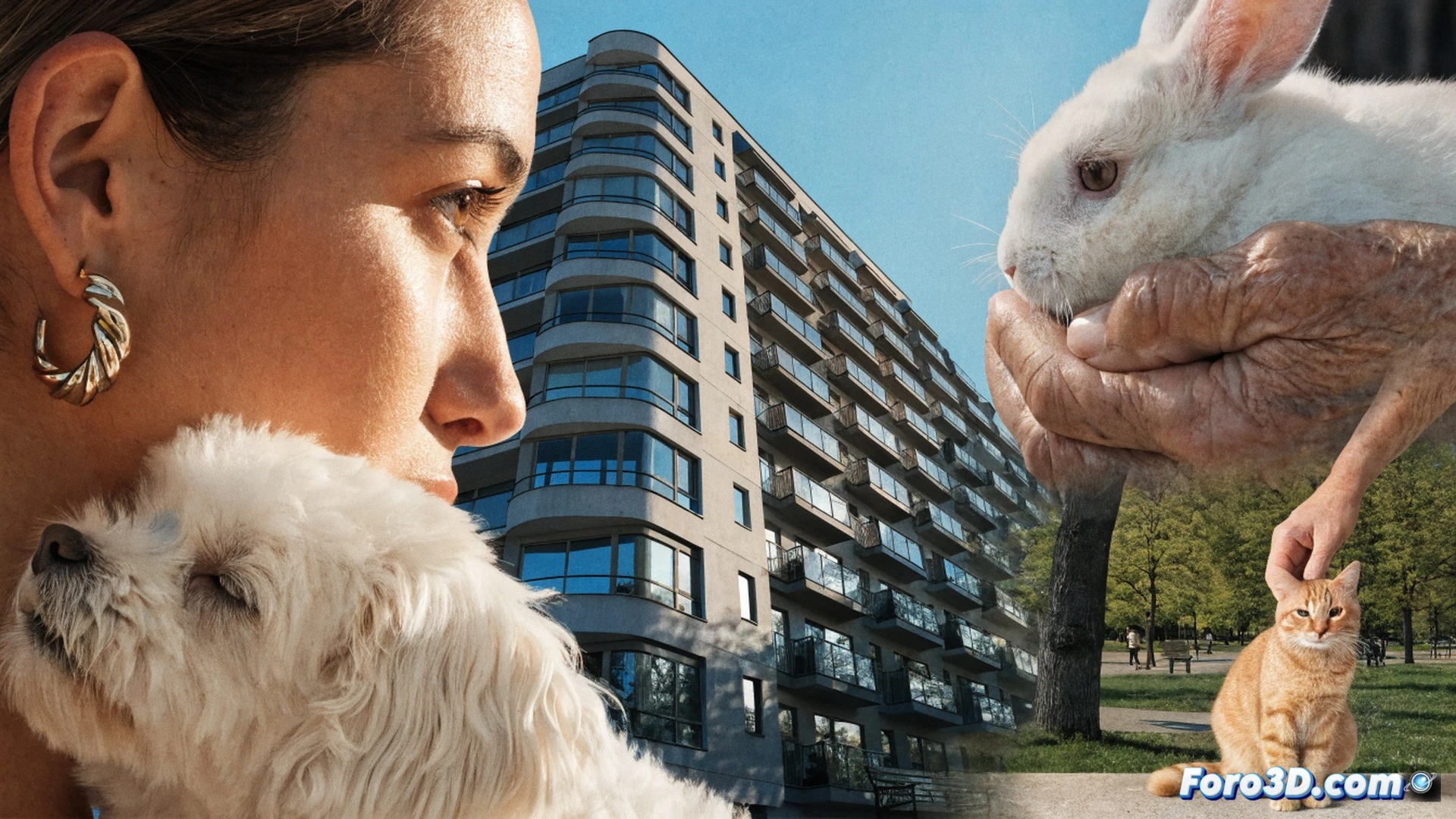
How home technology adapts to the new furry member 🐾
The technology sector has responded with specific devices: automatic feeders with programmable dispensing, water fountains with carbon filters and level sensors, and smart doors with subcutaneous chip identification. GPS collars with geofences and interactive cameras with treat dispensers are also proliferating. These solutions, connected to home apps, allow monitoring health, activity, and location in real-time, integrating the animal into a digital ecosystem that was once exclusive to humans.
And meanwhile, the human becomes their own pet's accessory 😹
Let's face it: now you're the one sleeping on the edge of the bed while the dog takes the center. Your sofa is no longer yours; it's a cat bed with a garden view. You've bought a robot vacuum that only serves for the animal to chase, and your home insurance now includes coverage for scratches on the Nordic furniture. Technology doesn't free you: it turns you into the butler of a being that neither pays taxes nor knows what a deadline is.