Impeccable writing, once a sign of effort and talent, now raises suspicions of artificial intelligence use. Students, writers, and job applicants intentionally introduce errors into their texts to demonstrate authenticity. For the public, clarity and fluency are no longer guarantees of original work. In this paradox, imperfection has become a passport to humanity, though its validity is limited.
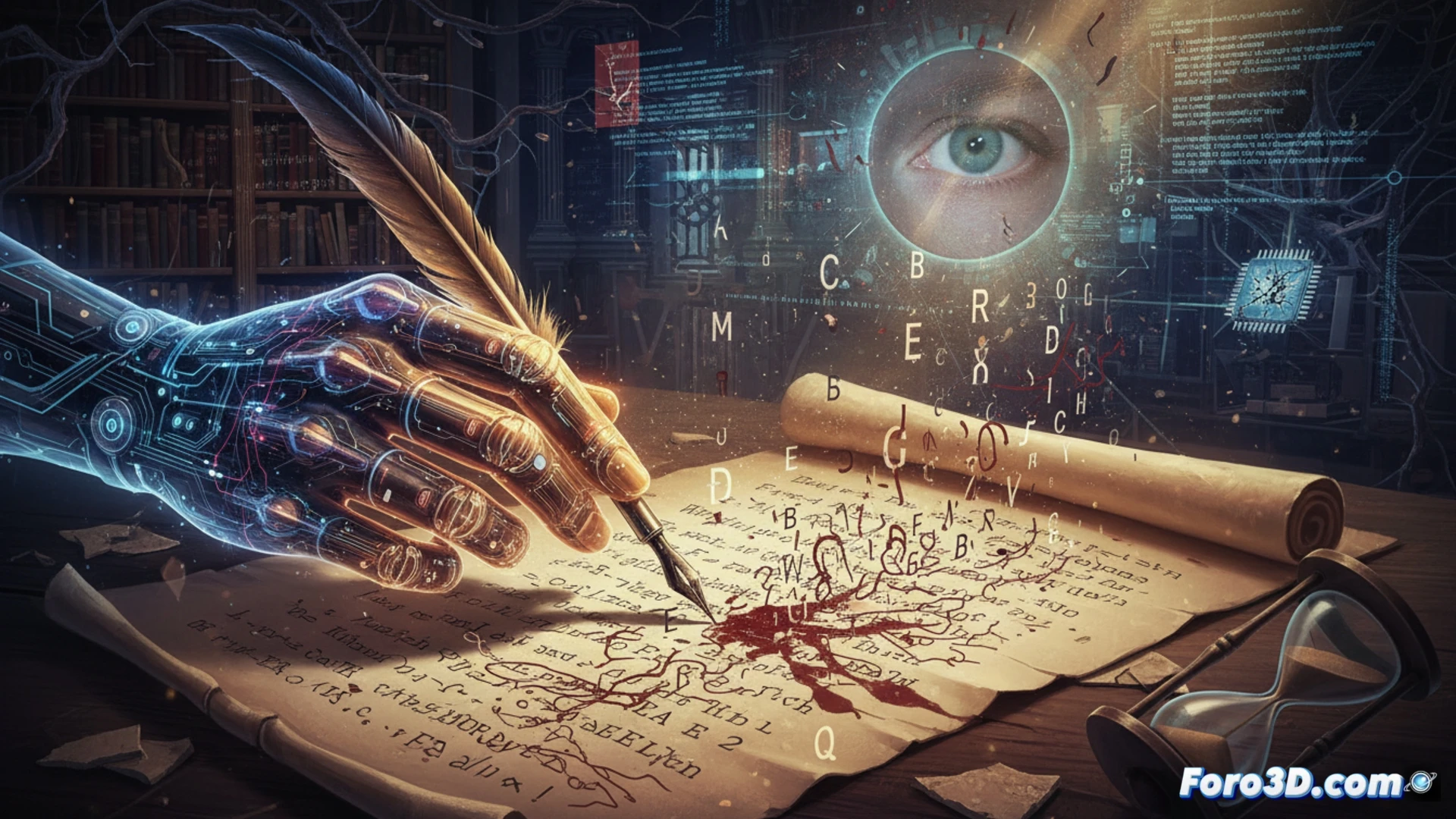
The algorithm that rewards error: how AI redefines authenticity 🤖
Synthetic content detectors rely on overly perfect writing patterns: exact punctuation, seamless logical transitions, and precise vocabulary. To bypass them, users introduce controlled errors: spelling mistakes, abrupt tone shifts, or disjointed paragraphs. This tactic, however, is temporary. Language models are already training on corpora that include these human errors. In a few months, AI will be able to mimic error as accurately as it now mimics correctness.
My next excuse: it's not a lack of editing, it's a signature of humanity ✍️
Soon we will see resumes with misplaced accents and formal emails with extra commas, all to prove they were not written by a bot. The ultimate irony will be when a recruiter dismisses a candidate for writing too well. Meanwhile, some are already practicing their worst spelling on purpose. Final irony: before, we strived to avoid mistakes; now, we strive to make them.