In the field of 3D forensic reconstruction, mineral triage is the critical phase where physical evidence is classified and authenticated before digitization. An error at this stage, whether due to cross-contamination, incorrect labeling, or sample confusion, not only invalidates the chemical analysis but also introduces a systemic defect that propagates throughout the entire workflow. What seems like a small oversight on the workbench becomes an artifact impossible to correct in the final three-dimensional model.
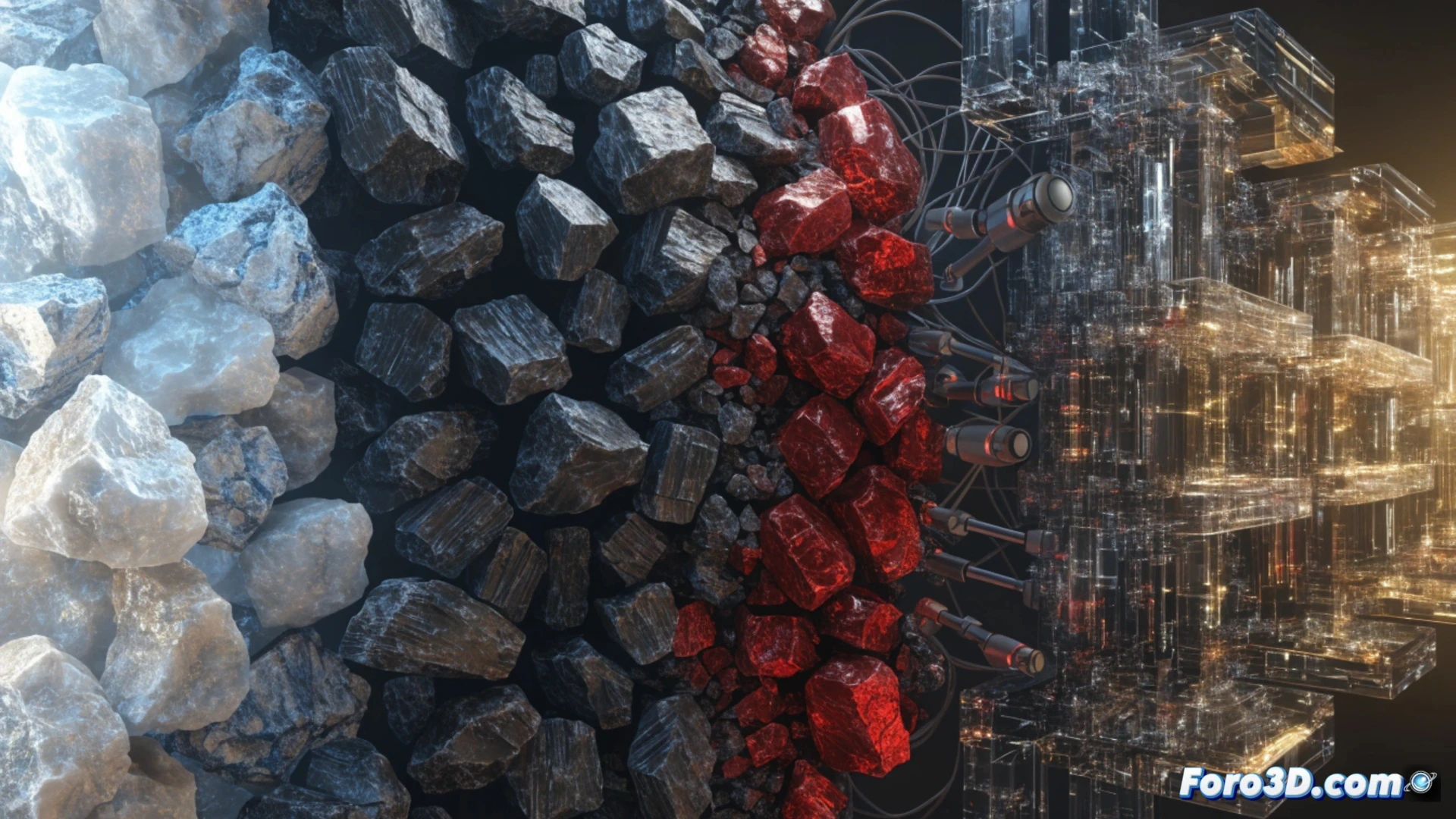
Pipeline architecture: scanning, labeling, modeling, and verification 🛠️
The correct flow begins with photogrammetric or structured light scanning of each mineral fragment, ensuring submillimeter resolution. Each sample must be labeled with a unique barcode and registered in a digital chain of custody that links its original location at the scene with its 3D representation. During modeling, reconstruction algorithms are applied that depend on the integrity of the input data; if triage assigned a limestone mineral to an area where basalt was found, the texture and geometry will not match the actual geological context. Final verification, through point cloud overlay and spectroscopy, reveals the discrepancy, but by then the error has already contaminated the expert report.
The fragility of digital truth ⚠️
A mineral triage error reminds us that 3D technology is not infallible; its precision depends entirely on the rigor of fieldwork. In a courtroom, a defective digital model can be discredited by an opposing expert, destroying the credibility of the entire investigation. The lesson is clear: before firing a single scanner, we must ensure that every stone, every fragment, has its identity confirmed. Because in the forensic pipeline, the smallest error at the beginning becomes the biggest collapse at the end.
How can an error in mineral classification during triage irreversibly compromise the digital chain of custody in a 3D forensic pipeline?
(PS: In the forensic pipeline, the most important thing is not to mix the evidence with the reference models... or you'll end up with a ghost at the scene.)