A recent technical failure in a combat simulation system has put digital warfare analysts on alert. The error, detected during a tactical training session, generated inconsistencies in terrain representation and the trajectory of virtual projectiles. This incident demonstrates how a single poorly optimized line of code can completely distort the perception of a simulated battlefield, invalidating hours of strategic planning and generating false positives in threat assessment.
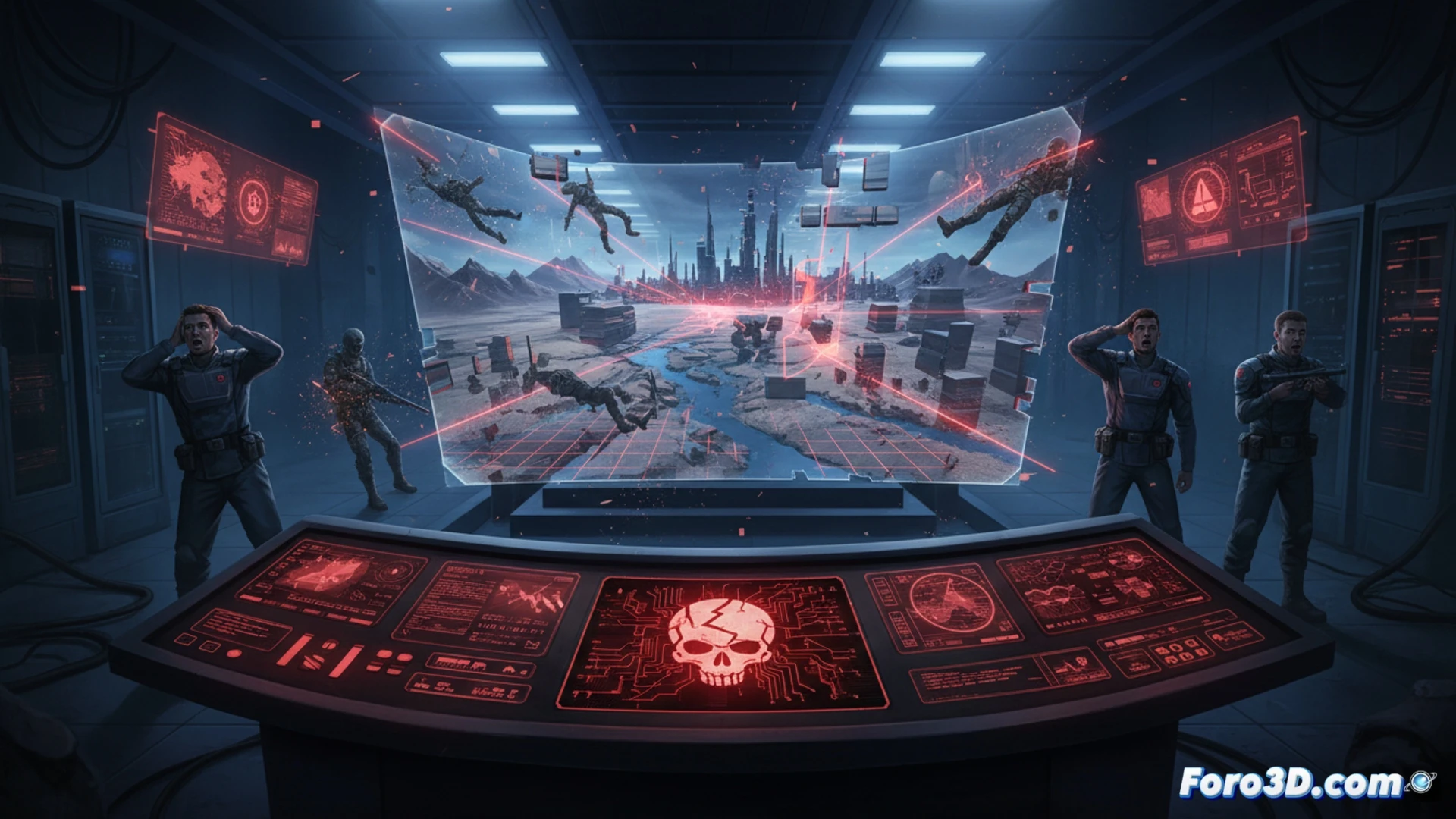
Anatomy of an error: Rendering and collision logic 🛠️
The problem originated in the rendering layer of the graphics engine, specifically in the calculation of ambient occlusion and dynamic shadow mapping. When loading a dense urban scenario, the software failed to prioritize the polygons of collapsed buildings, causing the collision detection system to ignore critical obstacles. This allowed virtual units to pass through solid walls in the simulation, while the external ballistics model calculated impacts at erroneous positions. For a 3D analyst, this type of failure is catastrophic: it destroys the fidelity needed to validate infiltration tactics or assess collateral damage to civilian structures.
Lessons for simulating real conflicts ⚔️
The reliability of a combat simulator depends not only on computing power but on the rigorous verification of every environmental variable. This incident underscores the need for specific software audits for asymmetric warfare scenarios, where a poorly rendered wall can change the outcome of a mission. At Foro3D, we know that modeling a conflict is not just about graphics; it is an exercise in responsibility where human error, hidden in the code, can have devastating strategic consequences.
How can a critical error in a 3D combat simulator, like the one described, distort predictive models of armed conflicts and generate fatal consequences in strategic decision-making?
(PS: war 3D maps are like renders: the more realistic they are, the more time you need to process them)