In 2018, Attack on Titan executed a twist that shook the foundations of shonen anime: its protagonist, Eren Yeager, became the villain. Traditionally, these heroes always ended up being good, but Eren, upon discovering the future, chose a destructive path called the Rumbling. This radical change demonstrated that main characters can become real threats, forever transforming how action stories are understood.
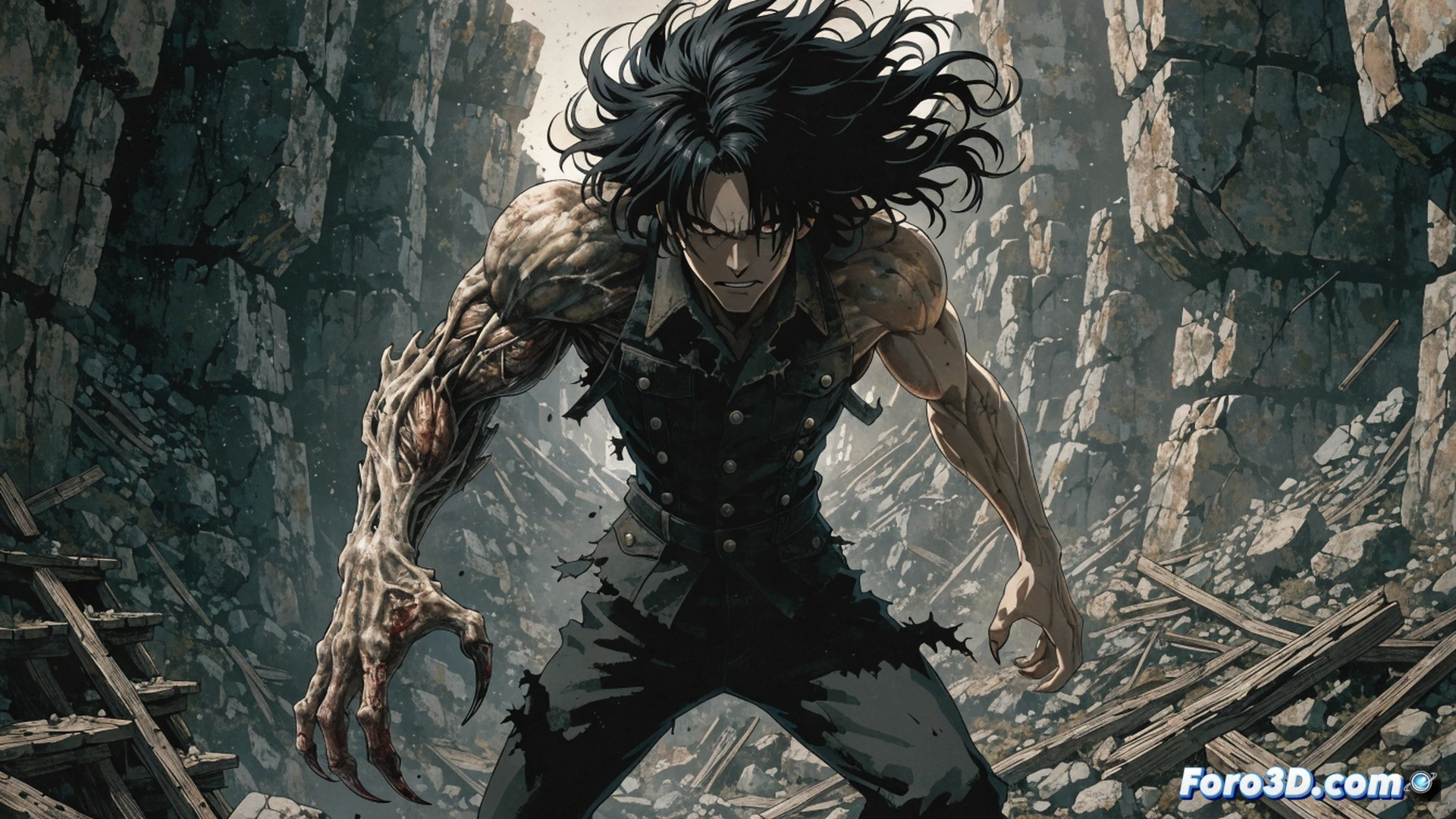
The technical development behind the narrative twist 🎬
Eren's transition was not a whim; author Hajime Isayama laid the groundwork from the first chapter. He used resources like foreshadowing and manipulation of the viewer's perspective to make the change believable. Visually, Eren's design evolved: his gaze became colder and his body language more rigid. The animation by WIT Studio and MAPPA reflected this with close-ups and somber color palettes. All of this built a coherent narrative where the hero's fall felt inevitable.
When the protagonist forgets to read the hero's manual 😈
It turns out Eren didn't attend the class on How to be a good shonen protagonist. While Goku hands out smiles and Naruto makes friends with his talk-no-jutsu, Eren decided his thing was crushing 80% of humanity. A bit extreme, yes, but at least he didn't sell us a 50-episode speech about the power of friendship. In the end, the Rumbling was his way of saying: If the world hates me, let the world burn.