Teenage Engineering has released a free update for its EP-133 KO II sampler, a $329 device. The new version adds USB audio, lo-fi modes that reduce sound quality, and doubles the recording time to 40 seconds. Hobbyist musicians can now create more creative sounds without spending an extra euro. An upgrade that expands the hardware's possibilities without touching your wallet. 🎛️
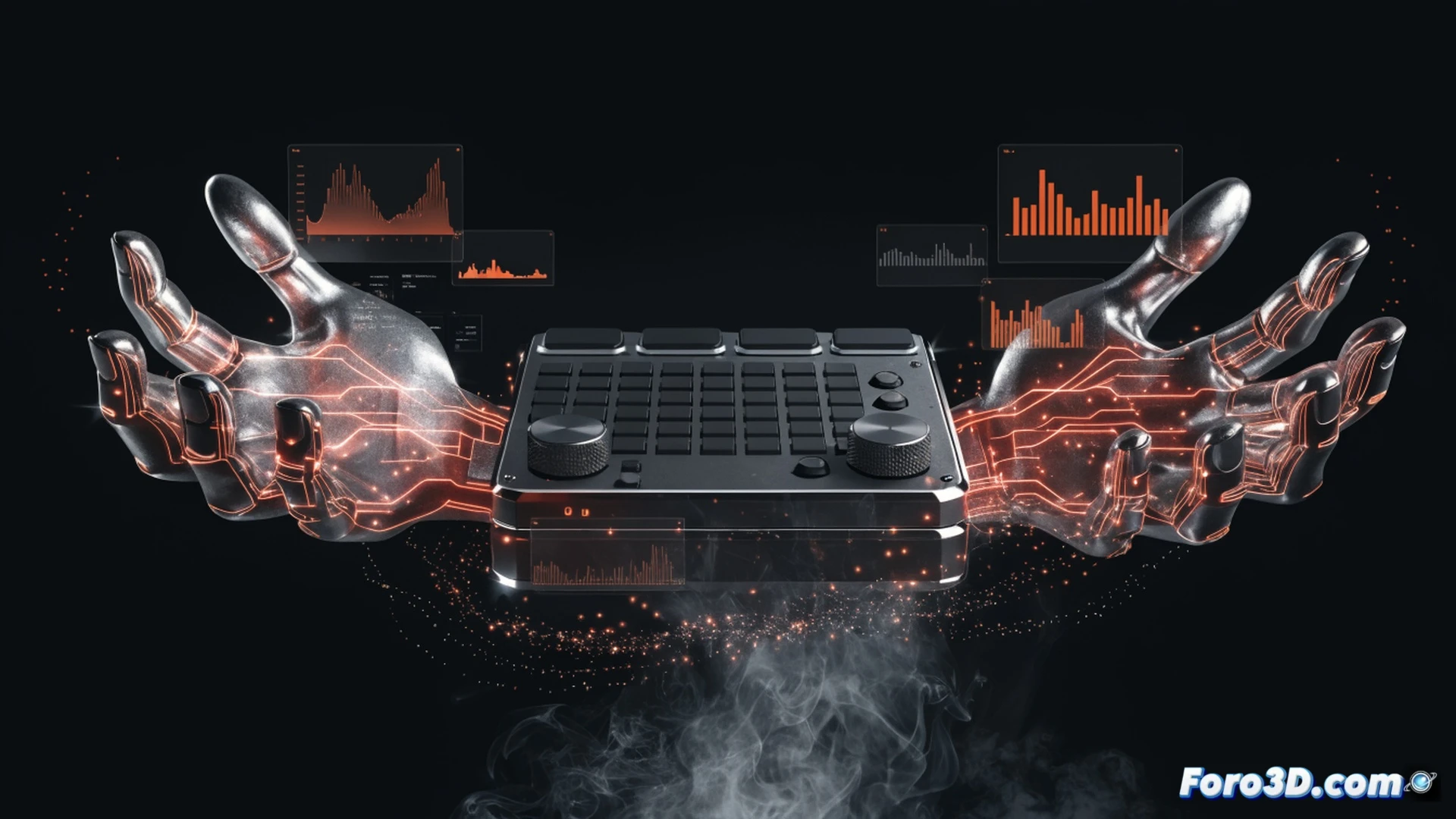
USB Audio and Lo-Fi Modes: More Technical Options at No Cost 🎧
The update incorporates a highly requested feature: direct audio transmission via USB, allowing the EP-133 to be used as a sound interface or to record from a computer without extra cables. The new lo-fi modes offer controlled audio degradation, simulating old tapes or low-fidelity recordings. Additionally, the recording time per project increases from 20 to 40 seconds, a boost that provides more room for long samples. All of this arrives at no cost, which is an uncommon gesture in an industry where updates are usually paid.
Now You Can Record Your Samples While Recording Other Samples 🎤
Finally, users will be able to record 40 seconds of vacuum cleaner noise without having to decide whether they prefer that or the microwave one. And if the quality is too good, you can always activate lo-fi mode so it sounds like you recorded it in 1998 with a battery-powered radio. The best part is that all of this comes at no cost, so no one will have to explain to their partner why they paid 329 euros for a device that now sounds worse if you ask it to.