Infectious diseases that jump from animals to humans, such as hantavirus or West Nile fever, are multiplying due to deforestation, urbanization, and climate change. In Spain, Andalusia monitors West Nile fever, where mosquitoes transmit the virus from birds to humans, although the risk is considered low. The destruction of forests and heat bring new health threats.
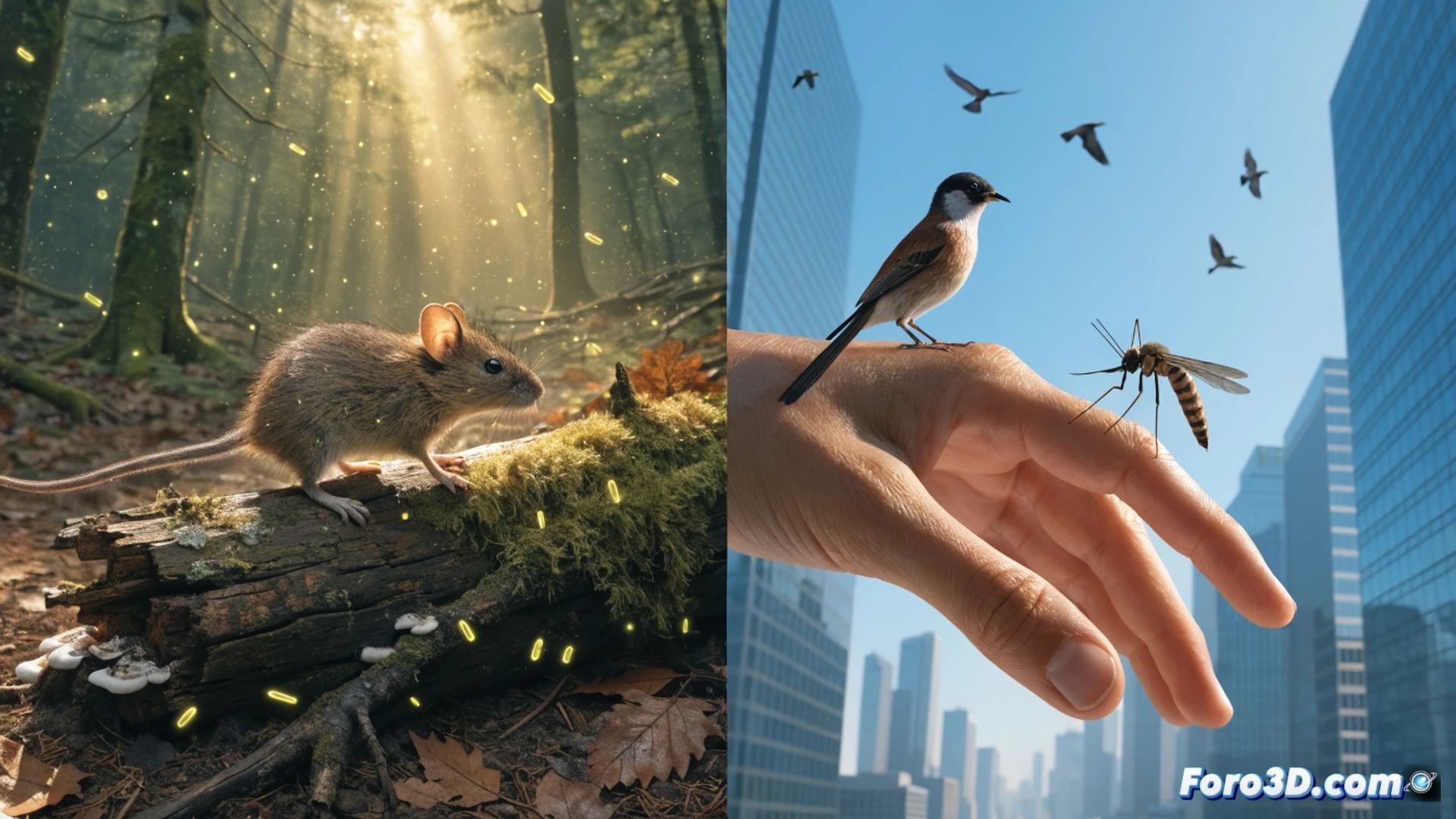
Genetic surveillance and satellites against West Nile virus 🦟
Early warning systems use real-time PCR to detect West Nile virus in captured mosquitoes, combined with satellite data monitoring temperatures and humidity. In Andalusia, predictive models based on machine learning are applied to anticipate outbreaks, adjusting selective fumigations. The technology allows mapping risk zones with 500-meter precision, but requires constant updating in the face of climate change that expands the habitat of the mosquito vector.
Mosquitoes with GPS: the new holiday threat 🧳
It turns out that mosquitoes no longer just suck your blood by the pool; now they come with a viral calling card and tourist routes of infected birds. While climate change rolls out the red carpet for them, we keep cutting down trees as if they were weeds. At least, if one bites you, you'll know it's because of global warming and not for wearing flip-flops in winter.