In the 1980s, a group of hobbyists built the Shadow Walker, a bipedal robot that moved with compressed air muscles, without electric motors. This homemade design, far from being a mere garage curiosity, caught the attention of engineers and laid the groundwork for a pioneering robotics company. Today, those experiments translate into lighter prosthetics and assistive robots that use similar principles.
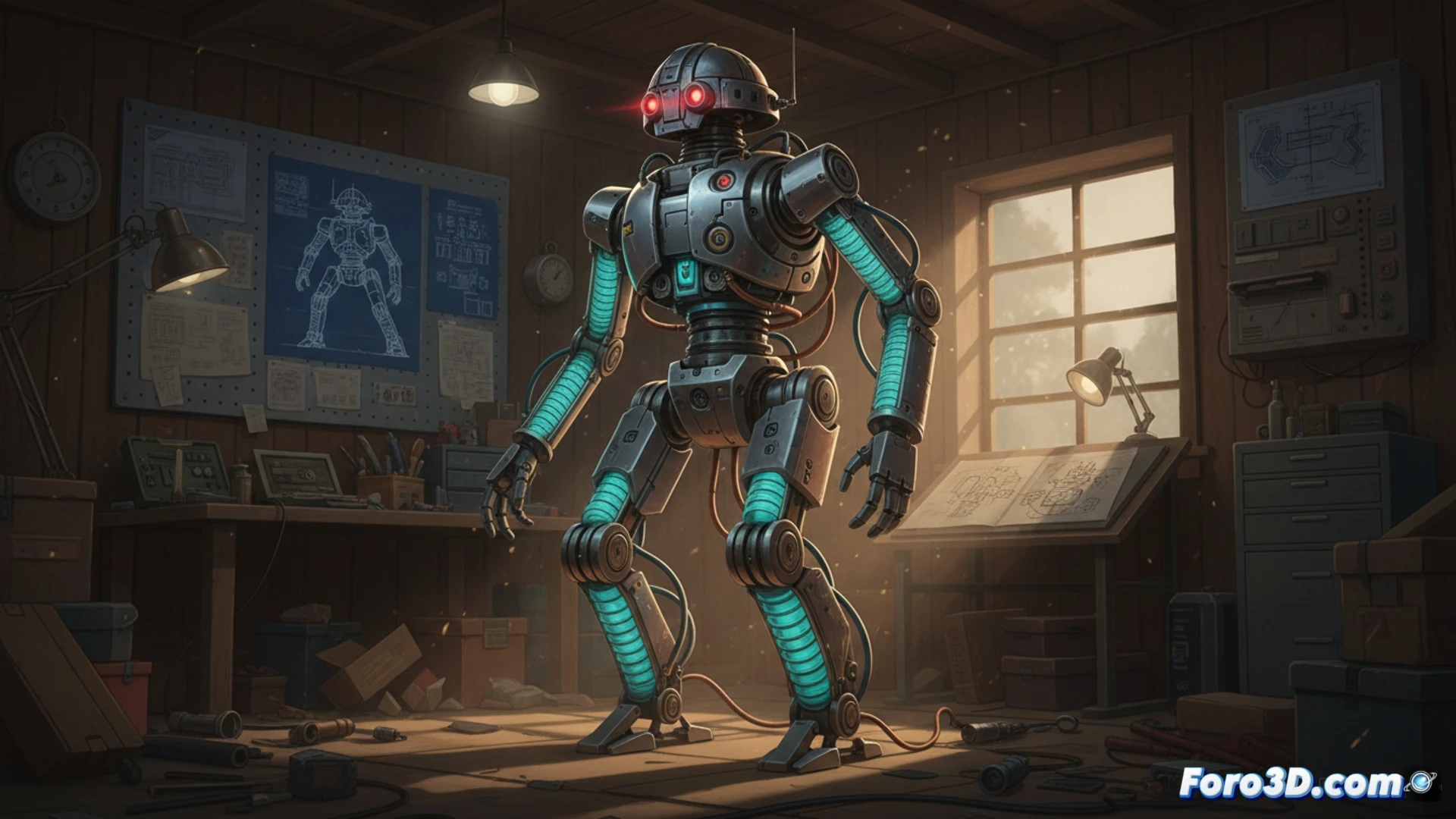
Compressed air: when mechanical lungs moved the future 🤖
The Shadow Walker used pneumatic actuators, rubber tubes that contracted when receiving pressurized air, mimicking human muscle movement. Unlike rigid and heavy electric motors, this system offered flexibility similar to biological systems. The creators adjusted valves and regulators so the robot could maintain balance. Although rudimentary, the concept demonstrated that walking was possible without servomotors, paving the way for more refined designs in soft robotics and adaptive prosthetics.
The garage junk that ended up teaching engineers a lesson 🔧
What started as a weekend project with pipes and a workshop compressor became the grandfather of modern robots. While others tried to keep their robots from falling with complex algorithms, these hobbyists got their pneumatic scrap to take steady steps. Now, whenever you see a prosthetic that moves naturally, remember: it was once a homemade invention that no one took seriously, except those who blew hard.