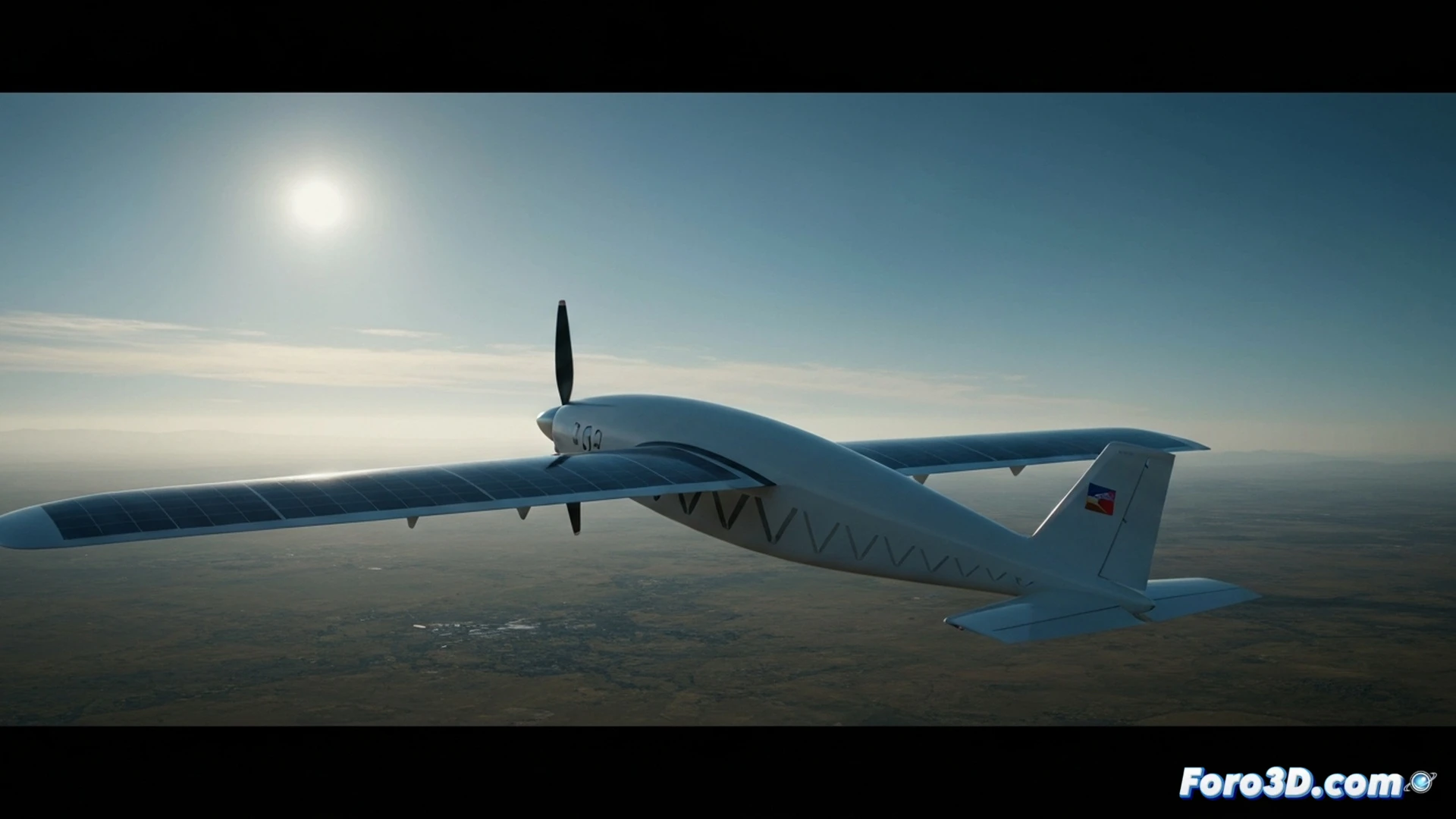
Solar aircraft, like Solar Impulse, depend on every gram of weight and every ray of light to stay in flight. Their coating is not just paint; it is a functional layer that must withstand UV radiation, extreme temperature changes, and dust abrasion at high altitudes. All of this without adding ballast to an already delicate structure.
Materials and layers: the engineering of perpetual flight ✈️
The skin of a solar aircraft typically combines thin polymer films with reflective coatings. The goal is to balance protecting the photovoltaic cells and dissipating heat. The wings, covered with solar panels, have a transparent laminate that filters harmful rays but lets light through. In areas without panels, high-emissivity white paints are used to prevent overheating during intense sunlight hours.
The paint layer that weighs less than your breakfast ☕
The obsession with weight is such that engineers debate whether to apply a second coat of varnish or skip their morning coffee. The total coating can weigh less than a kilogram, but its application is an almost religious ritual. If you put on an extra gram, the aircraft takes offense and decides to fly slower. In the end, the secret is not in the magic paint, but in not having spilled the can by accident.