The El Niño phenomenon is returning with force, altering global climate patterns. For citizens, this translates into a concrete reality: droughts that dry up crops in some areas and floods that devastate others. The result is direct pressure on household finances with more expensive food and a higher risk of disasters. Preparation is key to mitigating these effects.
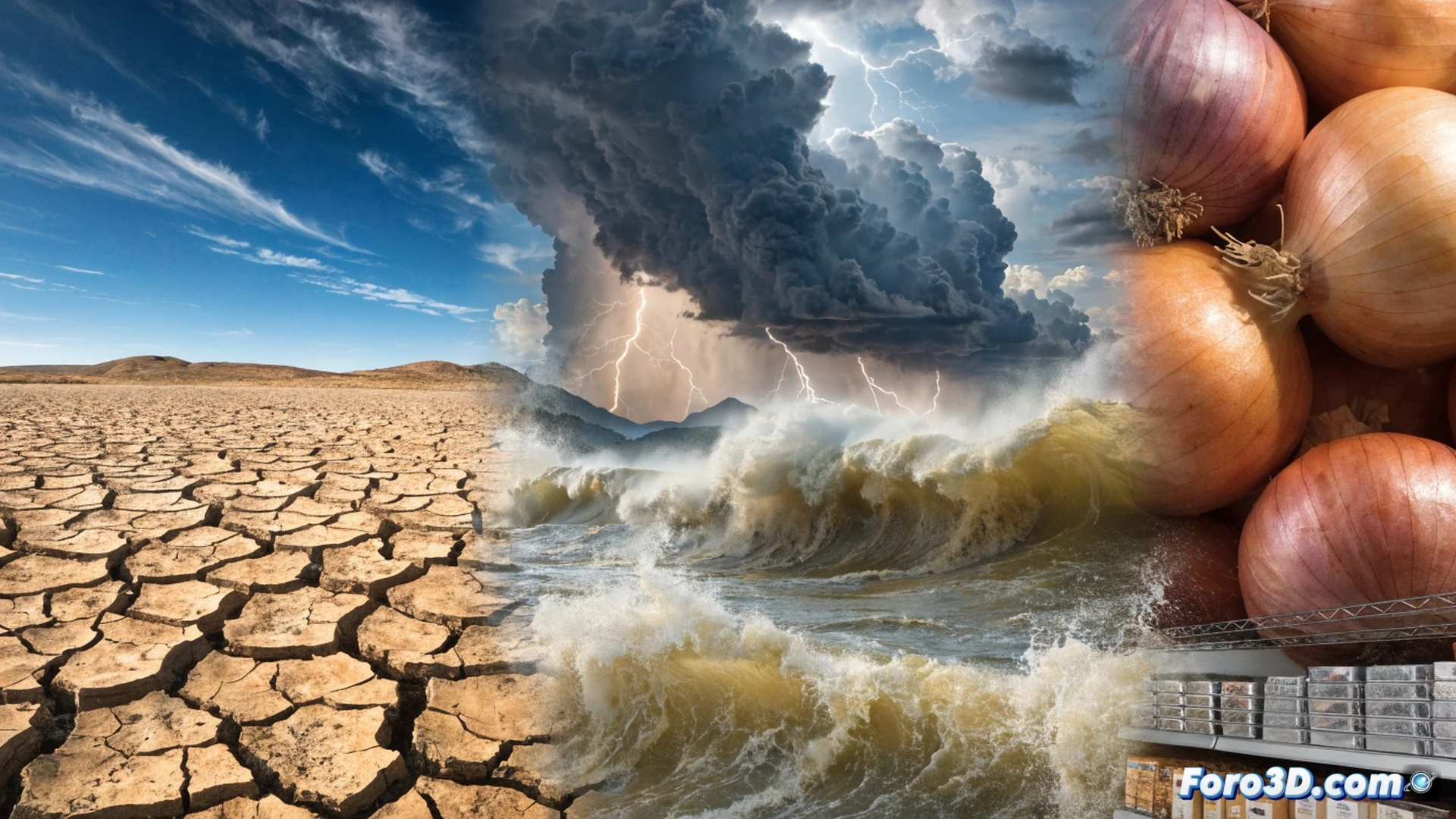
IoT sensors and predictive models in the face of climate chaos 🌦️
Current technology offers tools to anticipate these events. IoT sensors distributed in fields and hydrological basins measure soil moisture and water levels in real time. The data is integrated into artificial intelligence models that improve short-term predictions. This allows farmers and managers to optimize irrigation or activate emergency protocols, reducing economic losses and improving food security in the face of climate variability.
El Niño: the perfect excuse to raise bread prices 😅
Because, of course, when the weather goes crazy, prices do too. It turns out that a storm in the Pacific can explain why your morning coffee costs an arm and a leg. Farmers blame the weather, supermarkets blame farmers, and we end up paying. At least now we have a more solid excuse than generic inflation to justify why the shopping basket seems like a luxury. All thanks to a phenomenon we can't even control with the remote control.