The editor of the New York Times has directly pointed to artificial intelligence companies for using its journalistic content without permission or compensation. He describes this practice as blatant theft that undermines the media economy. For citizens, this means that if revenue falls, reporters will be reduced and the production of original news will decrease, jeopardizing access to quality journalism.
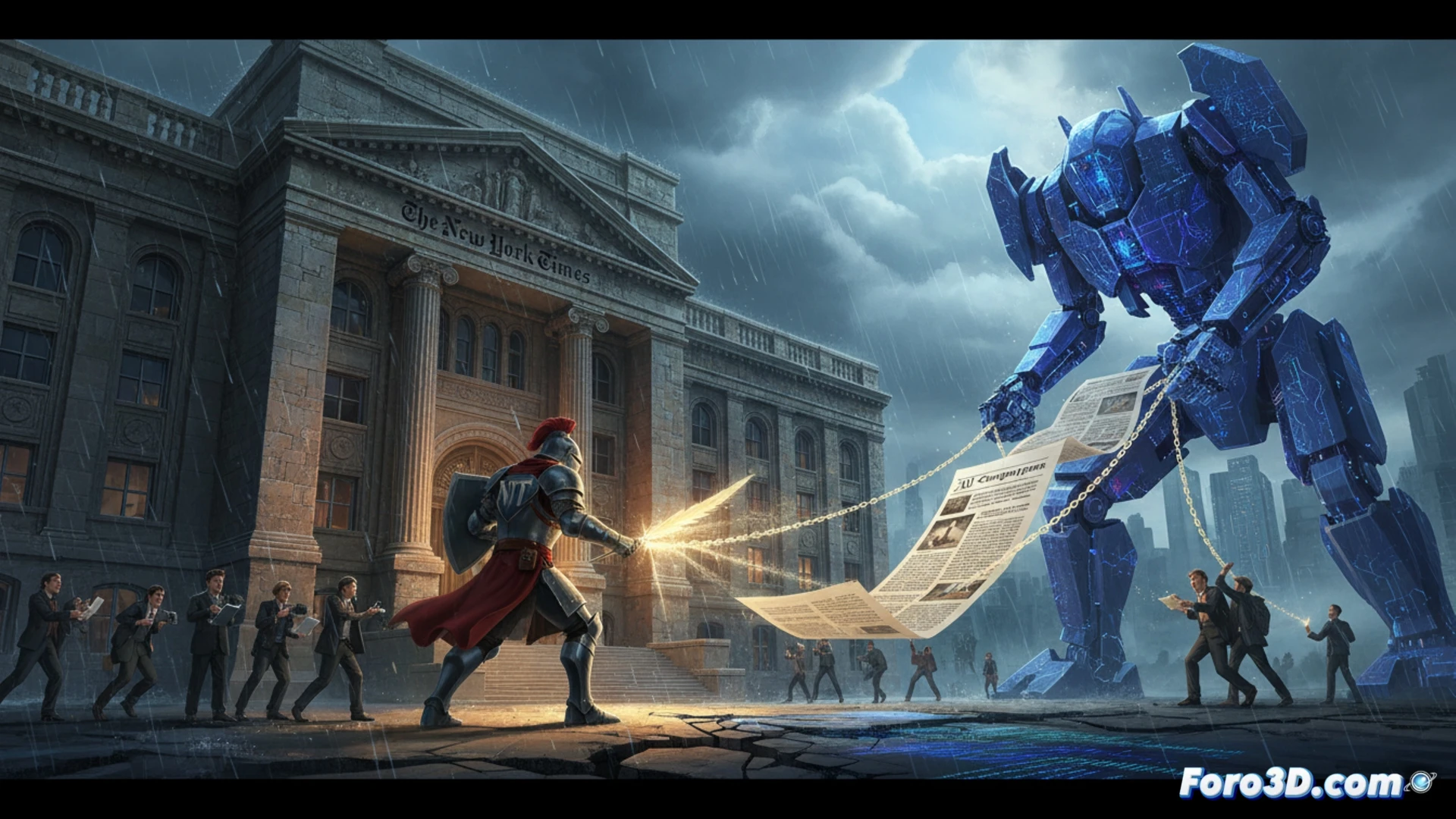
How AI Feeds on Others' Work 🤖
Language models like GPT or Claude are trained on vast datasets scraped from the web, including paid articles. This process, known as web scraping, does not distinguish between free and protected content. AI companies argue it is fair use, but publishers maintain it is massive appropriation. Without licenses or agreements, content creators see their texts generate profits for third parties without receiving a single cent.
AI Learns to Write, But Not to Pay the Subscription 💸
It seems that artificial intelligence has mastered news writing, but it still doesn't understand basic concepts like paying for the newspaper. While robots write summaries of articles they didn't purchase, flesh-and-blood journalists watch their work become free digital fodder. Perhaps the next step is to teach AI to use a credit card, though it will surely forget the password.