Volvo's Scandinavian design has taken minimalism to the extreme, but its large panoramic screens generate a side effect: they disconnect the driver from the physical experience of driving. By prioritizing visual aesthetics and digital integration, the vehicle's sensory feedback is sacrificed, turning the journey into a passive experience disconnected from the real environment.
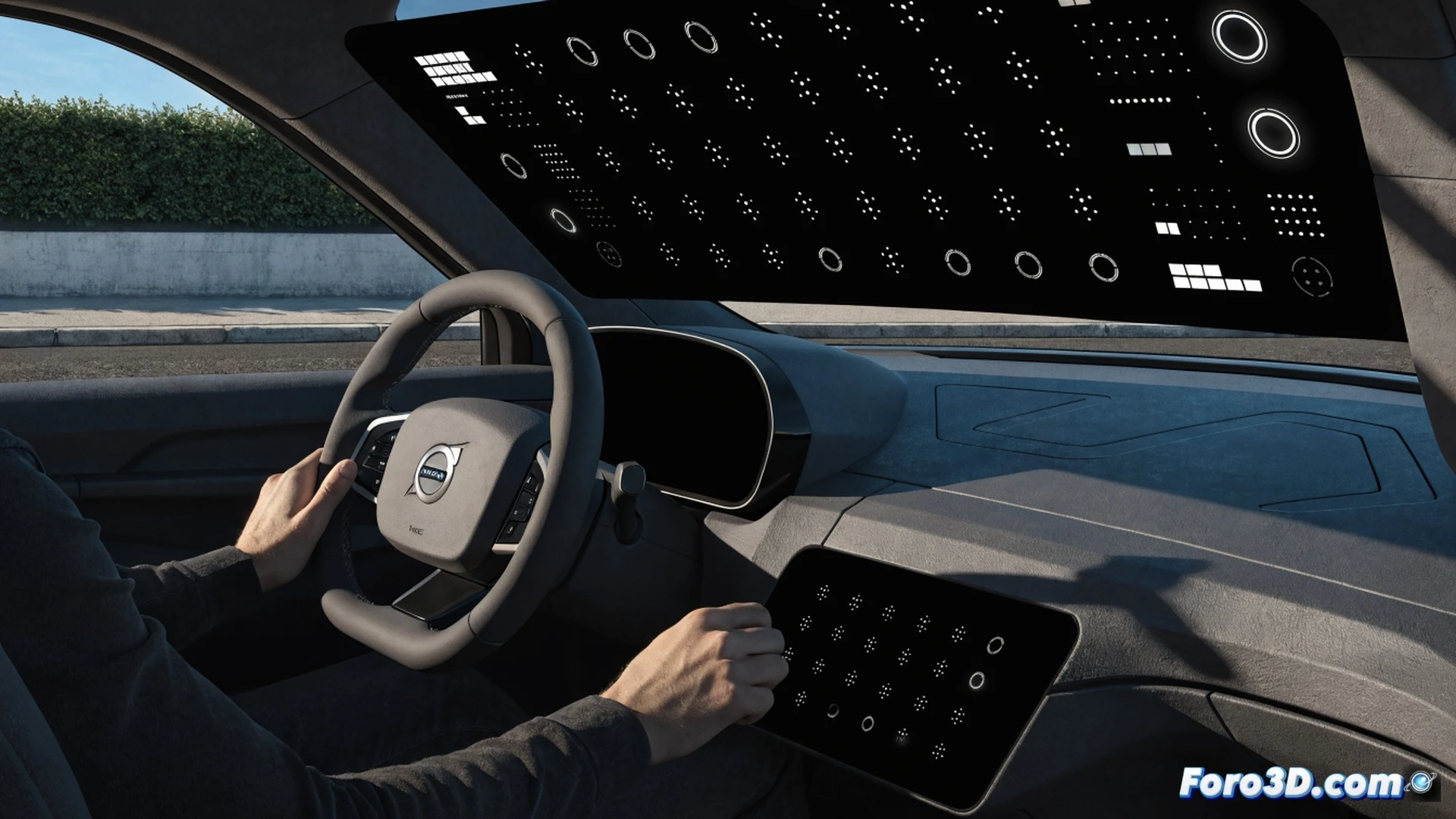
Redesigning interfaces: touch and sound vs. visuals 🎮
The technical solution involves integrating haptic feedback into physical controls and touch surfaces, combined with directional sound alerts that reflect the road's condition. Instead of relying on polished graphics, vibrations in the steering wheel can indicate skids or changes in grip, and specific sounds can warn of sharp curves. This allows the driver to feel the car without having to stare at a screen.
The driver who stared into infinity (and not at the road) 🦜
With current touchscreens, one can spend more time looking for the heating control than looking where they are going. It's as if Volvo wants you to enjoy the scenery... through a Netflix interface. In the end, we'll have to install a parrot on the dashboard that yells at us: Curve to the right, buddy!. At least the parrot doesn't need a software update.