A Star Wars comic published between 1997 and 2000 is being rediscovered as a work that surpasses the prequel films in polish. While the saga's movies received criticism for forced dialogue and dated digital effects, this paper adaptation of the original trilogy offers detailed artwork and scenes with greater dramatic tension. For the reader, the manga provides a more refined and exciting experience than the big-screen versions.
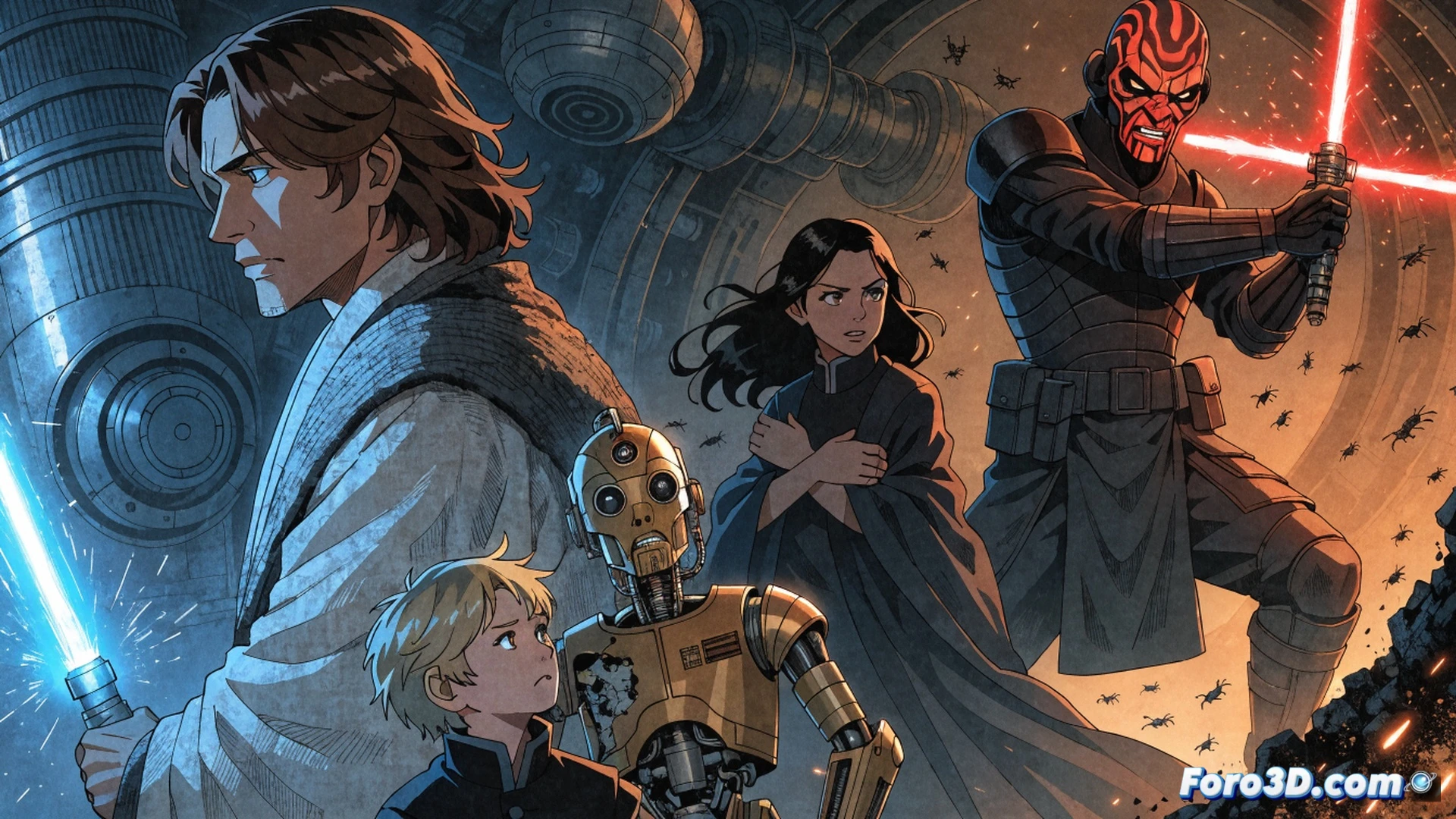
How the paper format optimizes galactic narrative 🚀
The manga uses panels to condense action and dialogue without the limitations of the CGI of its time. The artists, under Lucasfilm supervision, reinterpreted key scenes with cinematic framing and facial expressions that celluloid failed to convey. By eliminating filler footage and flat dialogue, the comic prioritizes narrative pacing. The absence of dated digital effects allows the art, based on ink and screen tones, to maintain consistent visual quality two decades later.
When the pencil beats the digital lightsaber ✍️
Watching Anakin spout self-help manual lines in the prequels hurts more than stepping on a Death Star Lego. In the manga, characters speak with seriousness, and lightsabers don't look like carnival toy swords. If George Lucas had hired these artists as screenwriters, perhaps Jar Jar Binks wouldn't be the real villain of the trilogy. In the end, paper ages better than digital plastic.