That a town like Almuñécar celebrates the arrival of a mammogram machine as if it had won the lottery is evidence of a chronic healthcare imbalance. While major cities accumulate cutting-edge technology, small municipalities depend on community pressure and political goodwill to access basic preventive tests. This is not an achievement; it is the confirmation of a systemic failure.
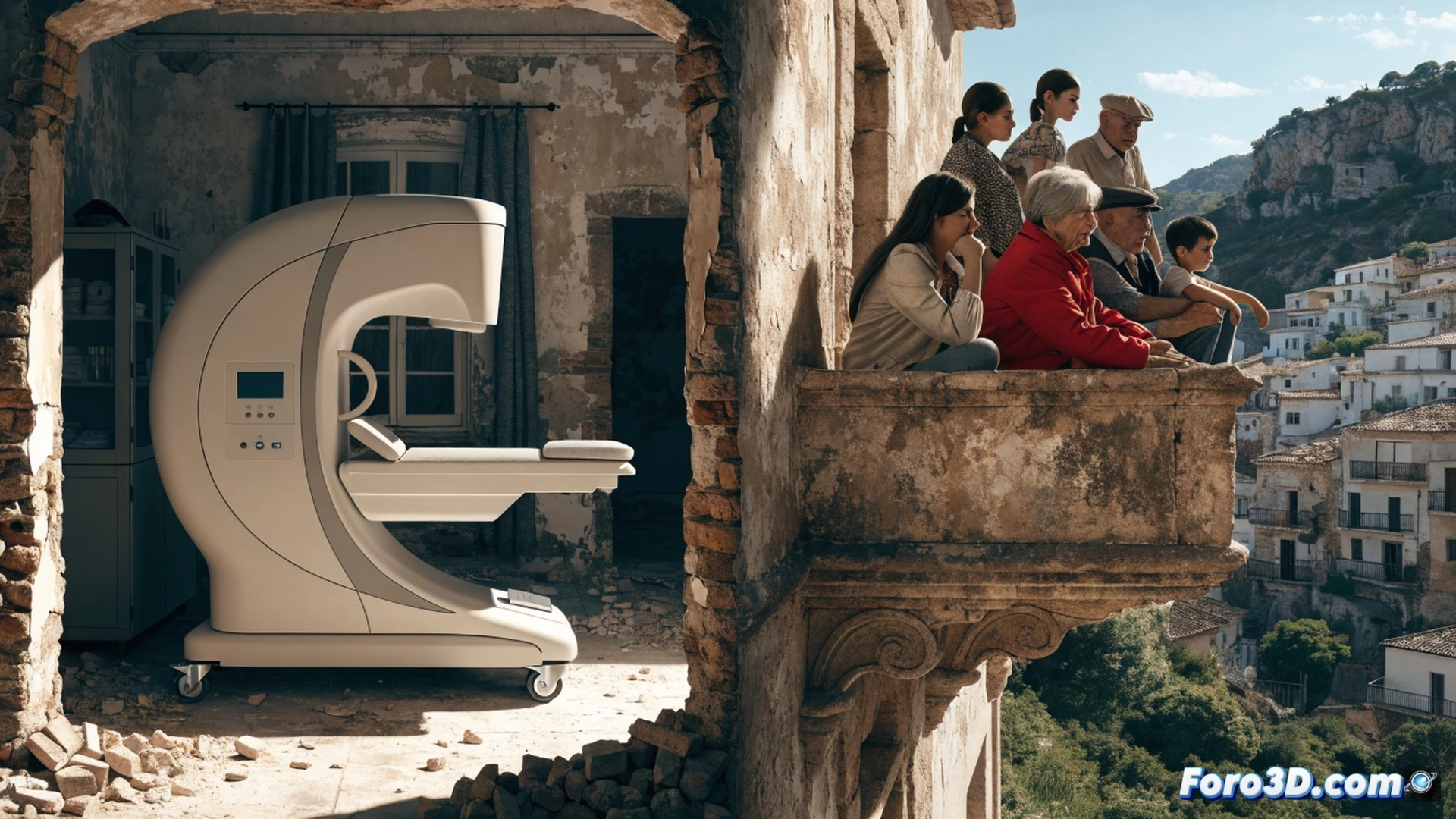
Diagnostic imaging: the missing network in depopulated Spain 🏥
Current healthcare planning concentrates MRI, CT, and mammography equipment in reference hospitals located in urban centers. This forces patients from rural areas to travel dozens of kilometers or wait months for an appointment. A viable alternative would be to deploy fixed mammogram machines in all municipalities with more than 20,000 inhabitants, supplemented by mobile units with AI for remote analysis. Investment in decentralized prevention reduces long-term costs and saves lives.
Celebration with confetti: a mammogram machine as if it were a space rocket 🚀
Almuñécar has organized a party for its new mammogram machine. Perhaps the next step will be to parade the device in a procession or name it the town's favorite son. Meanwhile, in cities like Madrid or Barcelona, residents complain that there are so many they don't fit in hospitals. The solution is not to send one unit every decade, but to stop treating rural prevention as a favor and turn it into a right with a map and a budget.