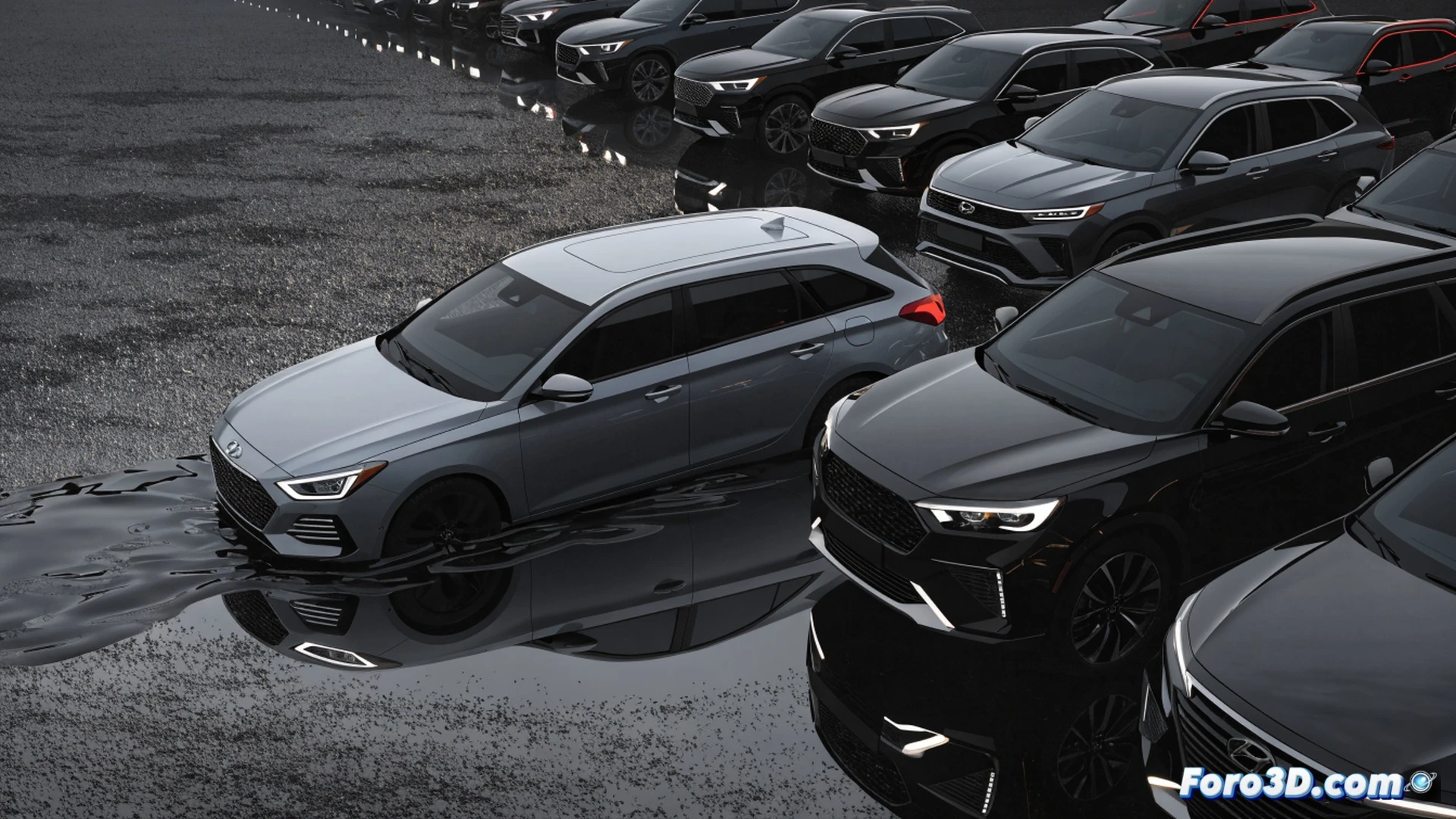
Hyundai has confirmed that the continuity of the i30 estate, a petrol car with station wagon bodywork, hangs by a thread. The reason is simple: SUVs and electric cars sell more and generate higher profit margins. For the average citizen, this means that traditional family cars, spacious and functional, could disappear from the catalogue, leaving fewer options for those seeking space without paying the premium price of an SUV.
Engineering bows to the profit margin 📉
From a technical point of view, the i30 estate represents a mature and efficient platform, with combustion engines that have already amortized their development. However, the automotive industry prioritizes modular platforms for electric vehicles and SUVs, which allow standardizing components and reducing production costs. Hyundai's decision is not due to a lack of technical capability, but to a financial calculation: it is more profitable to sell a Kona Electric or a Tucson than a petrol estate. The consumer loses a rational option in favor of more expensive and heavier vehicles.
Goodbye to the boot, hello to the raised boot 🚙
That an i30 estate disappears is not just an aesthetic loss; it is the death of logic. Because, let's be honest, a family SUV is nothing more than a station wagon with heels and worse aerodynamics. But of course, since the profit margin is higher, brands convince us that we need a raised body to navigate the supermarket curb. In the end, we will pay more for a car that consumes more and has less usable space. The irony is that the future of the family car is not family-oriented: it is an SUV that looks like an off-roader but never leaves the asphalt.