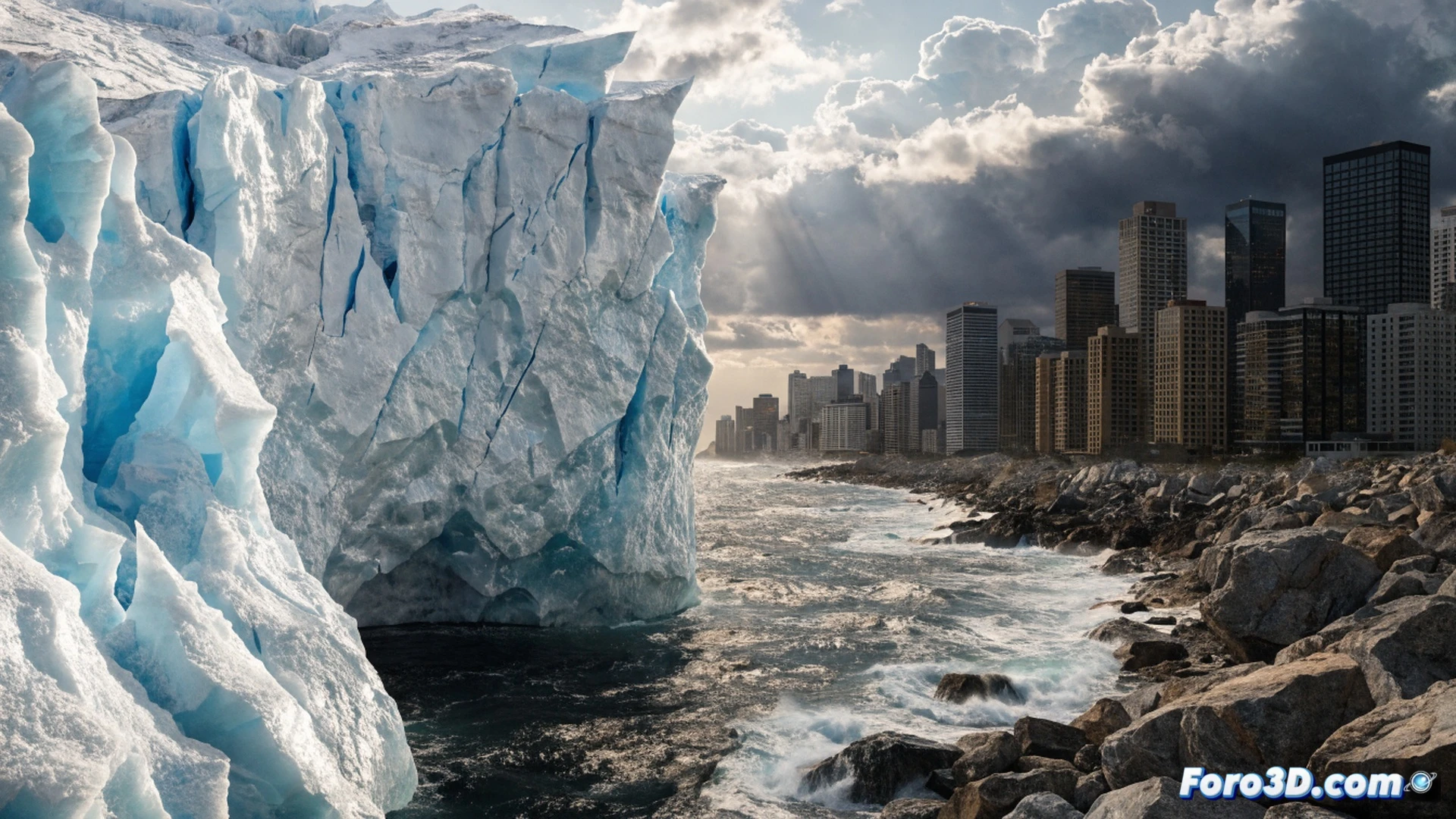
The Thwaites Glacier, nicknamed the doomsday glacier, is moving toward a potential collapse in Antarctica. Scientists are monitoring its fragility, as its melting could raise sea levels and jeopardize global coastal cities. For the public, this means increased housing and insurance costs due to anticipated flooding.
Satellites and climate models: the technology monitoring the ice 🛰️
Researchers use radar satellites and computer models to track the Thwaites' retreat. These systems detect cracks and changes in the grounding line, where the glacier detaches from the bedrock. Analysis of historical data allows for projecting sea-level rise scenarios. Current technology provides early warnings, though uncertainty persists about the exact pace of the collapse.
Selling beach plots: a business that gets wet 🌊
While scientists sweat in front of screens, real estate agencies keep selling ocean-view penthouses as if Thwaites were an urban myth. Perhaps they think the glacier is like a noisy neighbor: annoying, but never leaves. Spoiler: this neighbor not only leaves but takes the beach sand with it and the garage too. Better check your insurance policy before the water rings the doorbell.