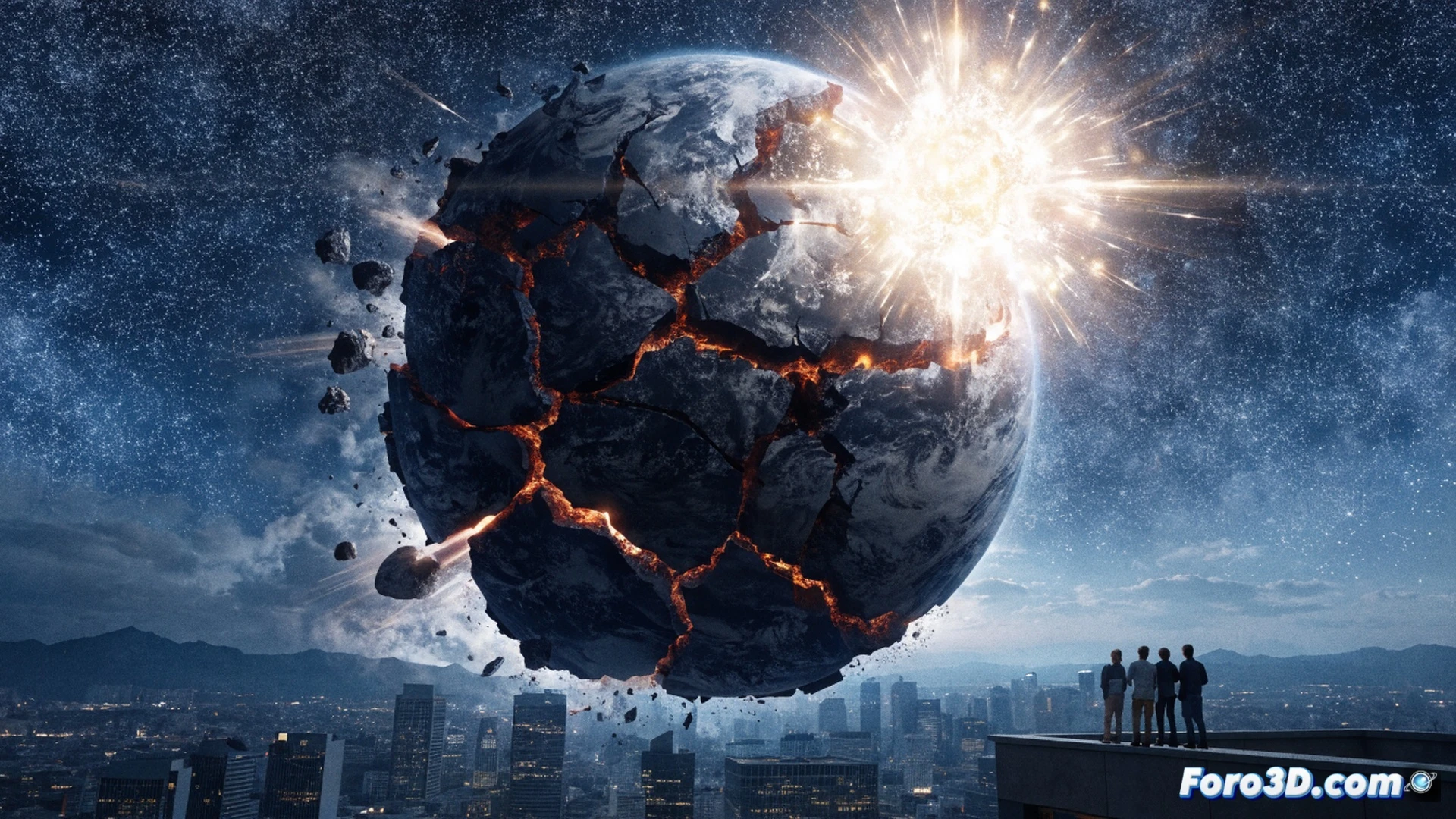
Writer Claire North presents a scenario in her new novel: a supernova will annihilate Earth in a century. The plot does not focus on the explosion, but on how humanity would reorganize its life knowing that time is running out. Work, money, and leisure would be concepts to reevaluate from day one.
Technology to manage limited time 🕒
In a world with an expiration date, work and financial planning systems would become critical. Productivity apps would stop serving to accumulate wealth and would focus on maximizing experiences. Servers and the cloud would store digital memories, not business data. Artificial intelligence would be used to calculate how to enjoy each day without falling into panic, optimizing scarce resources like energy and food.
The 30-year mortgage: the final joke 💥
Imagine signing a thirty-year mortgage knowing that in a hundred years everything explodes. The bank would tell you: no problem, the term is still viable. And you would think: perfect, I'll sign and spend my salary on travel. The reality is that the real estate market would collapse in the first month. No one would want to pay for a house that is going to melt with the planet. In the end, we would all live on monthly rent with a view of the supernova.