The creator of Dying Light made it clear that first-day sales aren't everything. The key lies in keeping the game alive with free updates. This strategy not only built trust among players but also allowed the title to continue selling for years, even increasing its price. A lesson in how taking care of the community is a real investment.
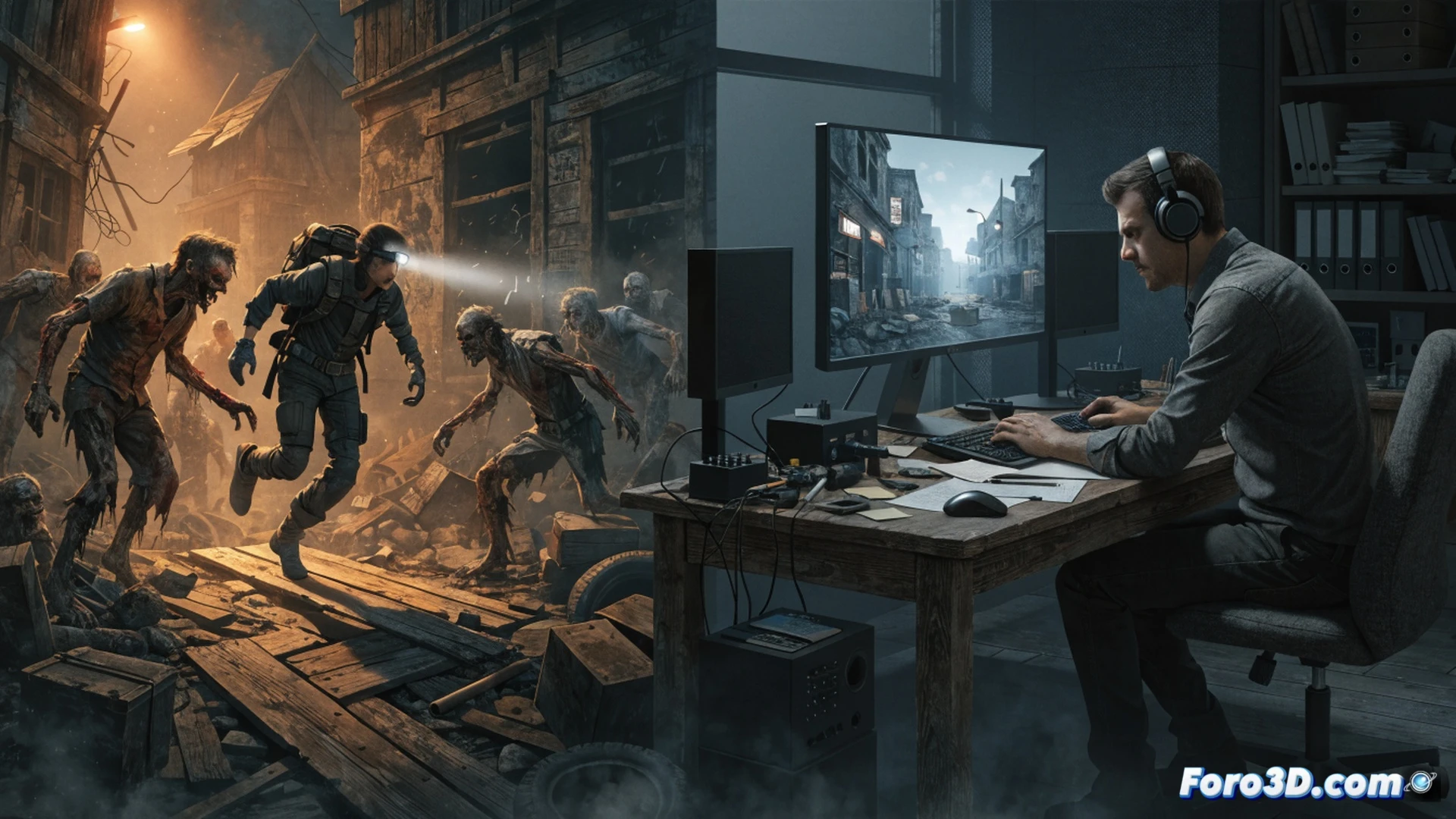
Free updates as an engine for continuous development 🎮
From a technical standpoint, maintaining a game with patches and free content requires long-term resource planning. It's not about releasing bug-fix patches, but about adding mechanics, events, and modes that refresh the experience. This forces studios to optimize their game engine and codebase to support changes without breaking stability. The result is a product that, with each update, feels more solid and complete.
The trick is not to ask for the wallet every three months 💡
It seems unbelievable, but some studios still believe that loyalty is bought with season passes and microtransactions. Meanwhile, Techland proved that giving away quality content doesn't ruin anyone. In fact, it's so effective that the game ended up costing more, and people gladly paid for it. Who would have thought: treating the customer well and not bleeding their wallet dry pays off. It almost seems like magic, but it's just common sense.