Despite a recent attack in the area, naval traffic through the Strait of Hormuz remains operational. This key route for oil and goods transportation has not suffered significant disruptions. For the average citizen, this translates into calm news: the supply of fuels and imported products continues normally, avoiding shocks in the prices of basic goods.
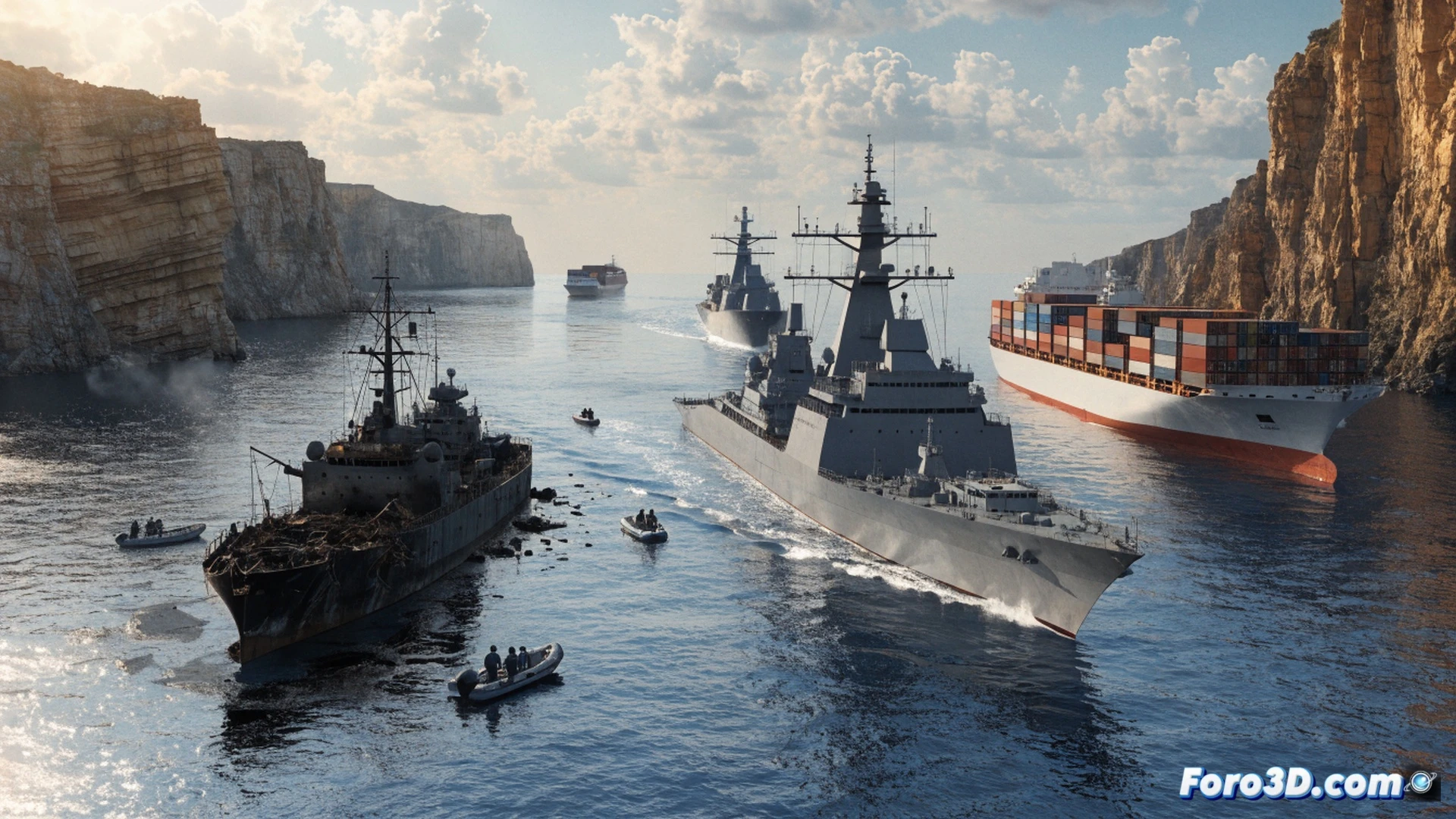
Naval logistics and its resilience in the face of geopolitical incidents 🚢
The continuity of transit is supported by security protocols and coordination between merchant fleets and regional authorities. Navigation systems and diversion routes allow maintaining the flow of crude oil and containers even after hostile events. This logistical network, although tense, demonstrates an adaptive capacity that protects global supply chains. Satellite monitoring technology and naval escorts play a secondary but relevant role in avoiding bottlenecks.
The geopolitical drama that never reached the supermarket 🛒
While experts debate missiles and strategies, drivers can fill up their tanks without having to sell a kidney. The chaos announced in the headlines stayed at the supermarket door. It seems the world prefers to keep buying Chinese plastics and filling up the tank rather than panicking. In the end, oil continues to flow, and the household economy breathes a sigh of relief, at least for now.