A recent scientific study has confirmed what many suspected: deep emotional pain, such as losing a loved one, can trigger serious physical problems. The research indicates that the first weeks after the loss are critical, increasing the risk of heart attack or stroke. The cause is extreme stress, which spikes cortisol and weakens the cardiovascular system. Grief is not just a feeling; it is a real risk factor for the heart.
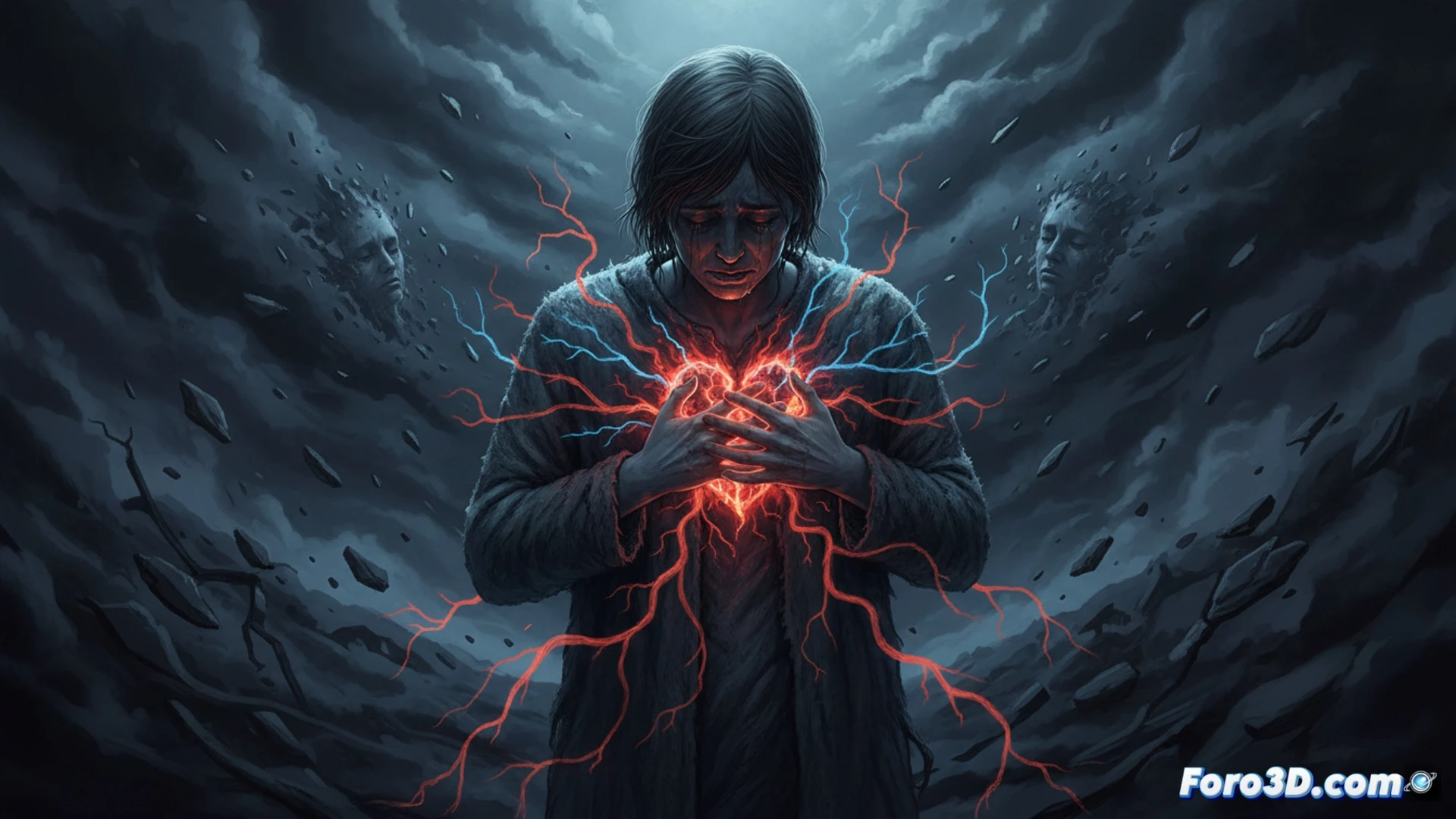
Cortisol and its mechanisms of attack on the cardiovascular system 💔
From a physiological standpoint, cortisol acts as a constant alert. It raises blood pressure, accelerates the pulse, and promotes arterial inflammation. In prolonged grief, these effects become chronic, damaging the endothelium and facilitating clot formation. The body remains in fight-or-flight mode without rest. For public health, this implies that early psychological support should be considered a preventive cardiac measure, not just emotional therapy. The heart pays the price for stress.
Advice: cry, but keep your phone nearby just in case 📱
Well, it turns out the heart really can break for real. So now you know: if you get dumped or lose someone, don't just eat ice cream while watching Netflix. The study suggests that, besides the tissue, it's a good idea to have the emergency number handy. Cortisol doesn't understand poetic heartbreak; it only knows about heart attacks. So cry as much as you need, but keep one eye on your chest and the other on the pulse oximeter. Just in case.