85% of Italians prioritize their mood over physical performance, according to recent data. Sustainable mental energy and emotional flexibility mark the new direction of wellness, where 61% opt for healthy habits without obsession and 28% choose a soft, pressure-free life. Millennials seek pragmatic balance; Generation Z alternates between extreme rest and intense exercise. Rigid routines give way to adaptable emotional management.
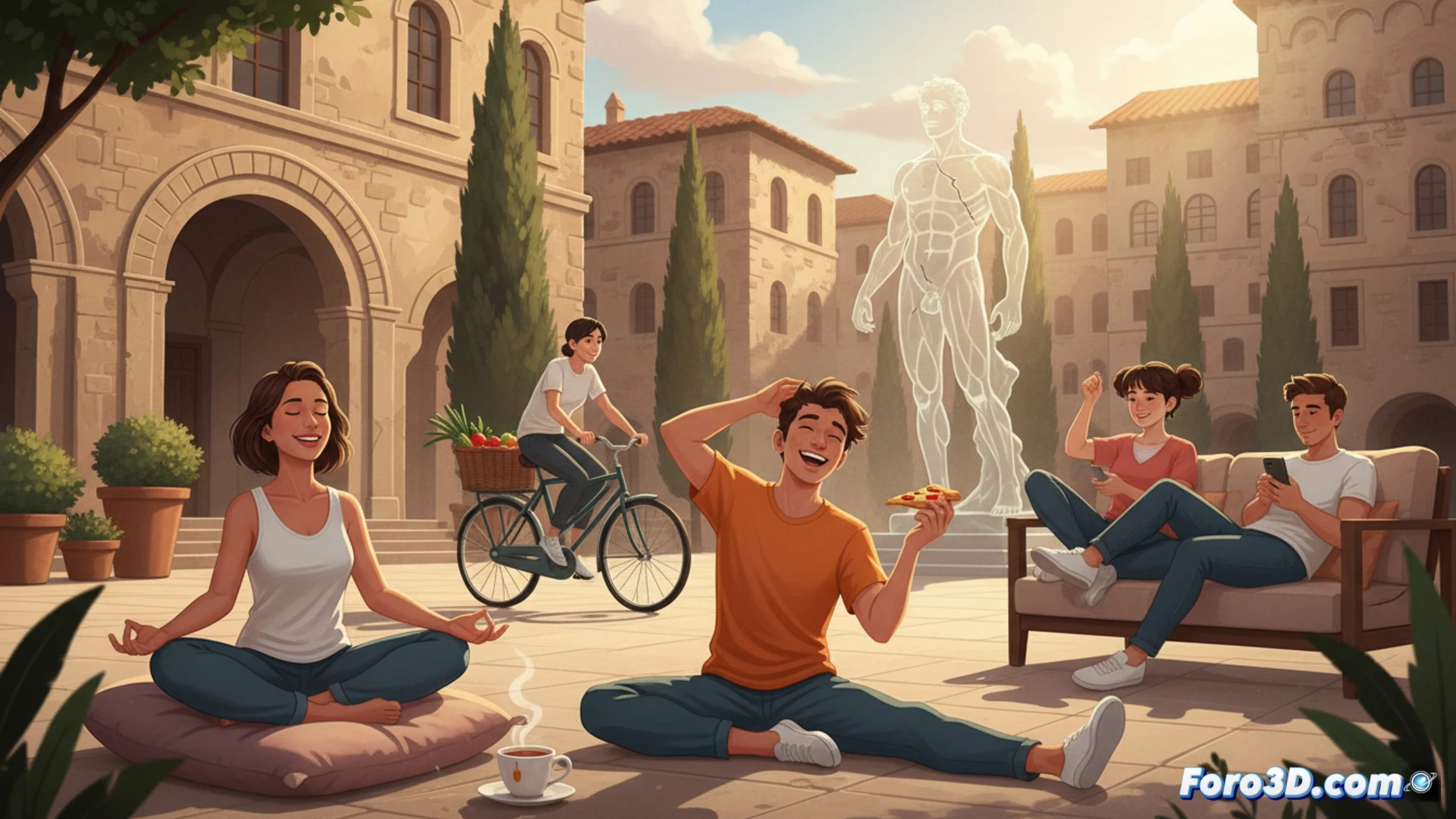
Apps and wearables adapt to the new emotional paradigm 🧘
Digital health platforms no longer focus solely on steps or calories. New features prioritize mood, sleep quality, and stress management. Apps like Welltory or Daylio allow users to log emotions and offer personalized guidance. Wearables, such as Oura rings or Fitbit watches, incorporate heart rate variability metrics and fatigue alerts. The goal is not perfection, but maintaining stable and sustainable mental energy throughout the day.
The gym gives way to the couch (with a flexible schedule) 🛋️
Now it turns out that sweating it out at six in the morning is no longer the goal. The new mantra is: listen to your body, and if your body says nap, then nap. Generation Z has perfected the art of extreme rest, alternating with bursts of intense exercise that last as long as a TV commercial. Meanwhile, millennials juggle work and the couch, seeking a balance that doesn't require getting off the sofa more than necessary. The soft, pressure-free life is here to stay, and the couch has never been so well regarded.