Digital art is gearing up for a political leap. A new movement proposes using UN veto data as living geometry, generating sculptures that deform in real time according to diplomatic tensions. The spectator no longer just looks: their eye-tracking votes to expand the Security Council, turning the gallery into an interactive plenary session.
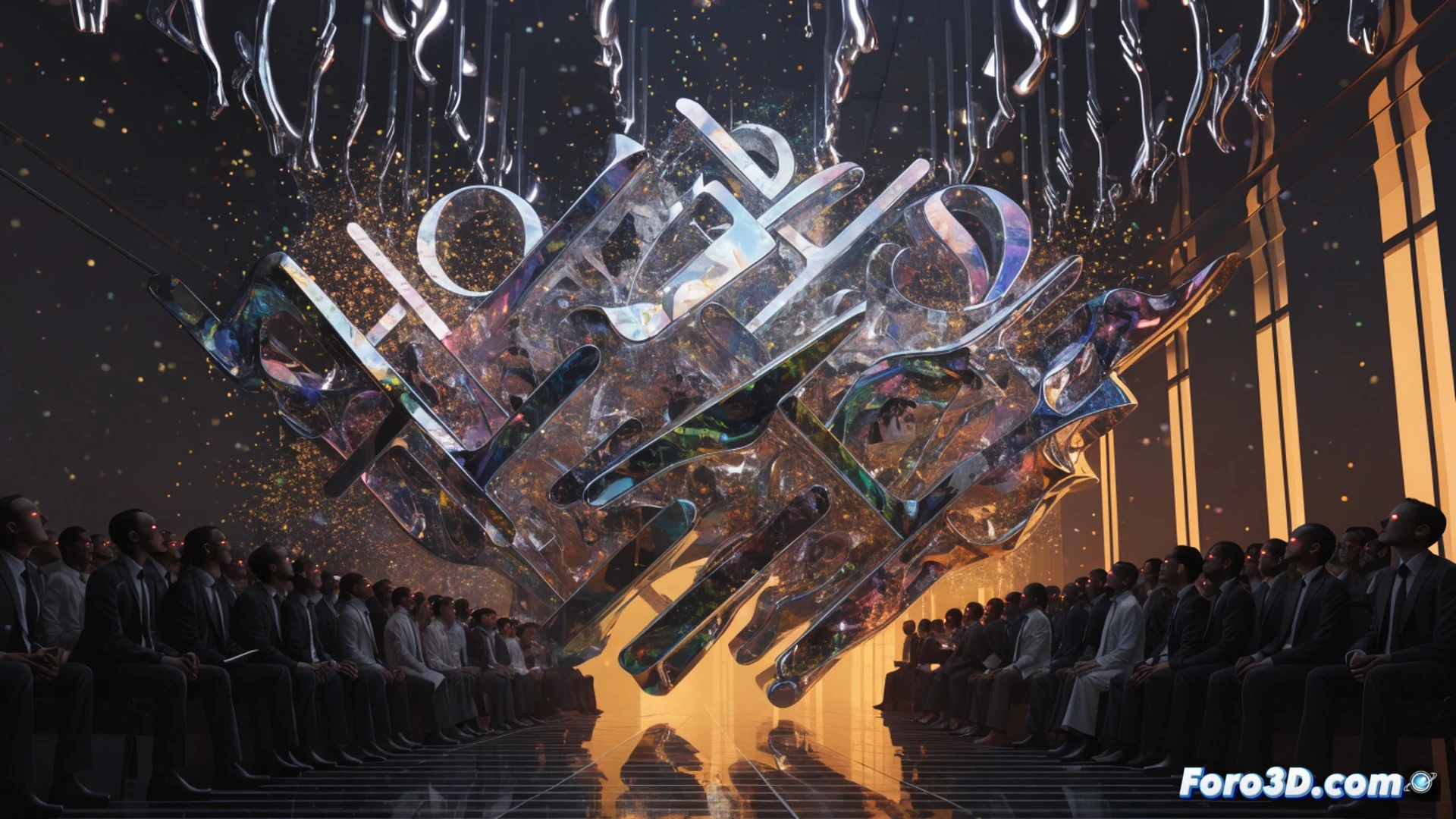
Living geometry: how vetos shape the polygon 🗳️
The algorithm translates each veto into an anchor point on a 3D mesh. If Russia vetoes a resolution, a vertex shifts eastward; if the US does the same, another edge tightens. The spectator, using an eye-tracking headset, chooses which border to expand: their fixed gaze for three seconds activates a vote that adds a new member to the virtual Council, deforming the sculpture into a controlled chaos of diplomatic polygons.
The art of vetoing with your gaze (without leaving home) 👁️
Now you can feel like a diplomat without a tie or a cork. You stare at France and, bam, you have a seat on the Council. The problem: if you blink, China kicks you out. The sculpture twists like a drunk Google Maps, and you, just by moving your eyes, decide whether the world expands or collapses into a geopolitical Rubik's Cube. Good thing no one asks you to resolve a real veto.