The digital renaissance of a canceled series is no longer a miracle, but a transaction. When the mass audience demands the return of a story, platforms listen, but not for the love of art, but for engagement data. Letting the algorithm dictate the return of a narrative means surrendering creation to the market, turning the viewer into an artistic executioner.
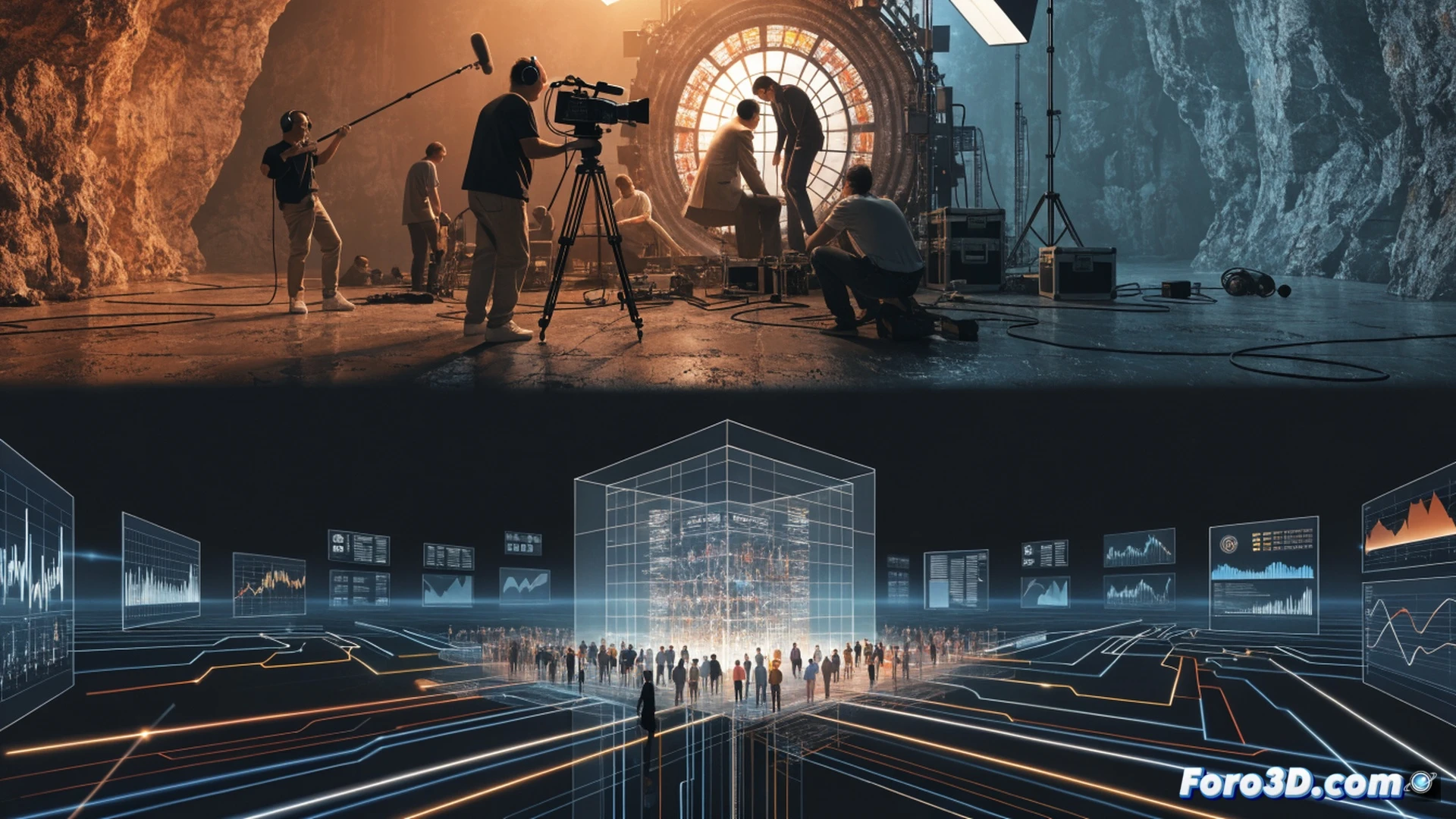
Data vs. instinct: narrative development under the streaming microscope 📊
Platforms use machine learning to analyze pauses, rewinds, and drop-offs. If the numbers indicate that a canceled series maintains 40% retention during traffic peaks, the algorithm triggers a production order. The problem is that this approach reduces writing to an equation: characters that work in A/B tests and plots optimized to avoid the dreaded audience decline. Creative instinct becomes subordinate to statistics.
The fourth season is not a miracle, it's an Excel report with charts 📈
Now screenwriters write with a calculator in hand. If the audience demands the return of a dead character, the algorithm revives them, even if narrative coherence weeps in a corner. The fourth season is not an act of faith, but a feasibility report. The art of killing a protagonist is dead: now it is only allowed if the pause button is not pressed too much.