Short video platforms have perfected an engagement formula based on algorithms, infinite scrolling, and rapid transitions. Each swipe releases dopamine, creating a cycle that is hard to break. For the public, this reduces the ability to enjoy everyday activities and demands increasingly extreme content. The design seeks to capture our attention at the expense of mental well-being.
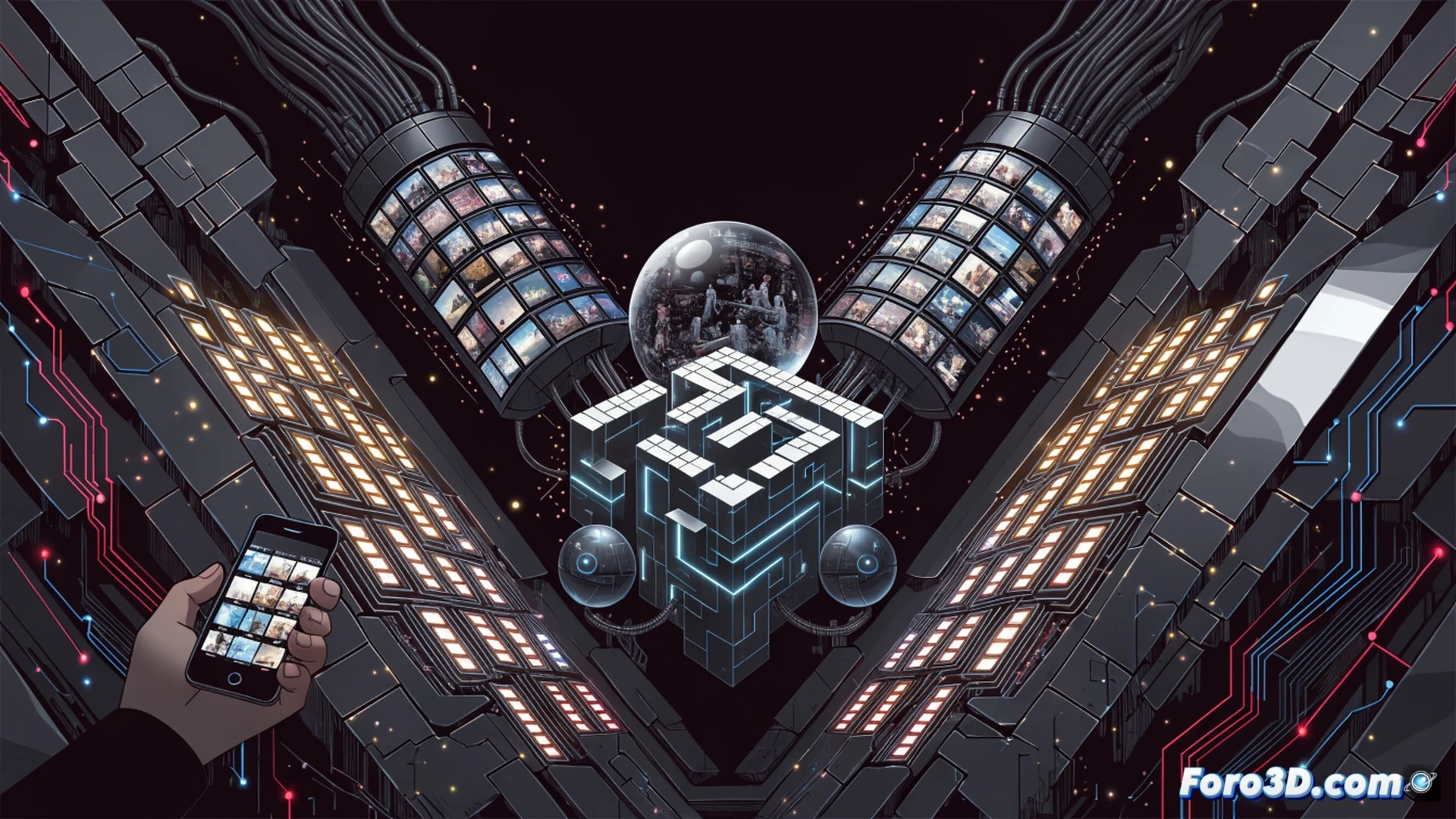
How attention engineering hijacks your brain 🧠
The system relies on neural networks that analyze your behavior in milliseconds. Each pause or repetition reinforces the user profile, adjusting the feed to maximize viewing time. The content refresh rate, combined with the absence of an endpoint in the scroll, exploits the novelty bias. This causes the brain to prioritize brief stimuli over activities requiring prolonged concentration, such as reading or conversing.
Cheap dopamine and premium boredom 🍭
It turns out our brain is like a kid in a candy store: it wants the brightest, fastest treat. The problem is that afterward, it doesn't enjoy an apple. Switching from a viral dance to a cooking tutorial in three seconds leaves us feeling that any pause is a system error. So, while the algorithm takes our data, we are left with a sore thumb and the certainty that watching a two-minute video to the end is already an Olympic achievement.