Platforms like TikTok have perfected the art of hooking us. It's no coincidence: they design every notification, every video loop, to exploit our dopamine. While companies deny their role in the mental health crisis, users pay the price. It is urgent to regulate these mechanisms with transparency and forced limits.
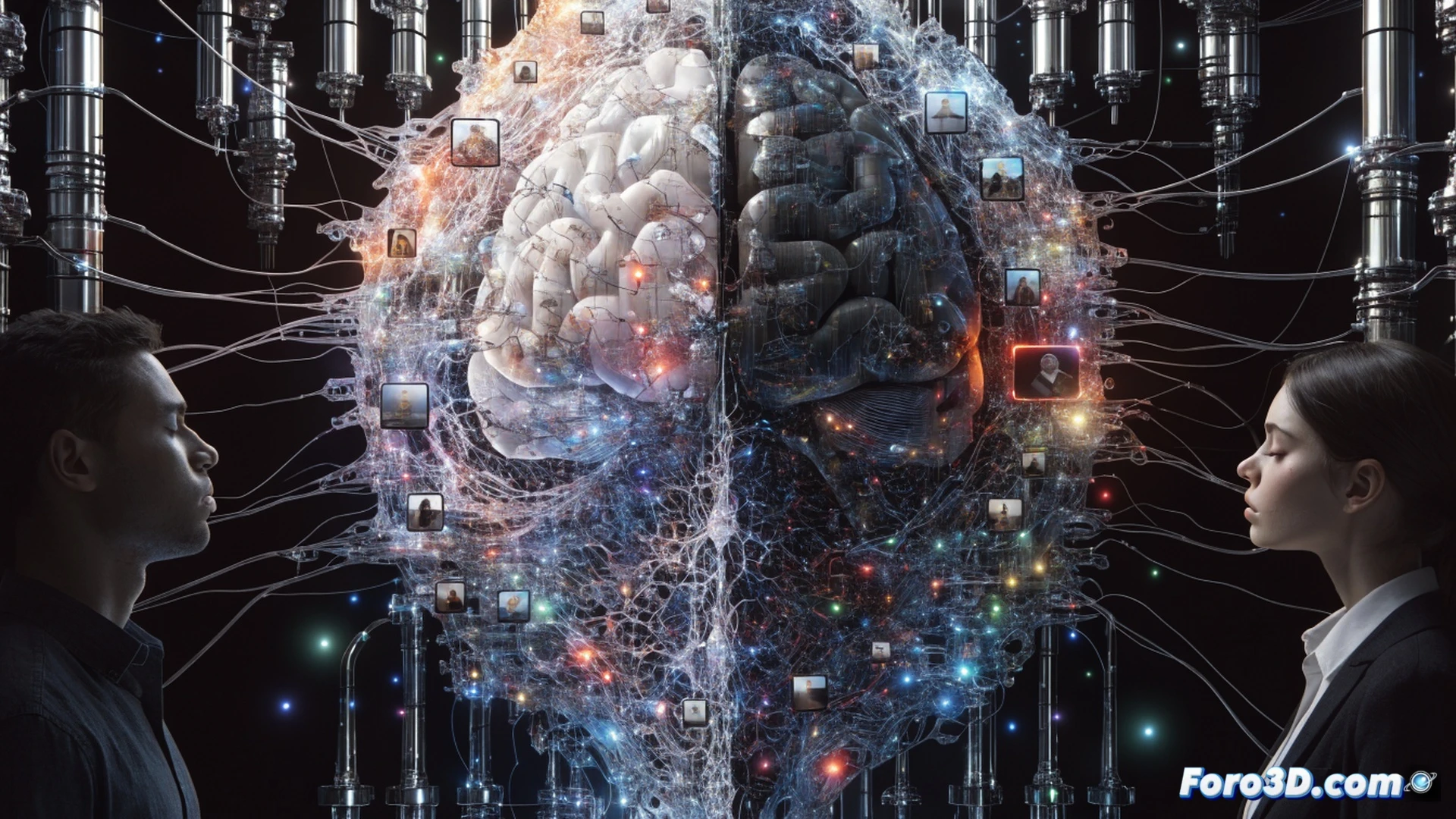
The engineering of emptiness: how to weave attention chains 🧠
Behind the infinite scroll lies a precise architecture: variable rewards, micro-pauses that trigger anxiety, and repetition loops that hijack the prefrontal cortex. Algorithms prioritize engagement over any well-being, and companies know it. The technical solution involves demanding transparency in recommendation models, implementing mandatory time limits, and funding campaigns that teach how to distinguish use from abuse.
The master plan: making you forget to eat to watch a dance 📱
The irony is that these design geniuses would probably spend more time staring at a screen than at a family dinner. But hey, while they rake in millions, we can learn to set a timer. Or better yet: have the app kick us out after 30 minutes. That way, at least we'll remember the real world exists, even if it's just to go to the fridge.