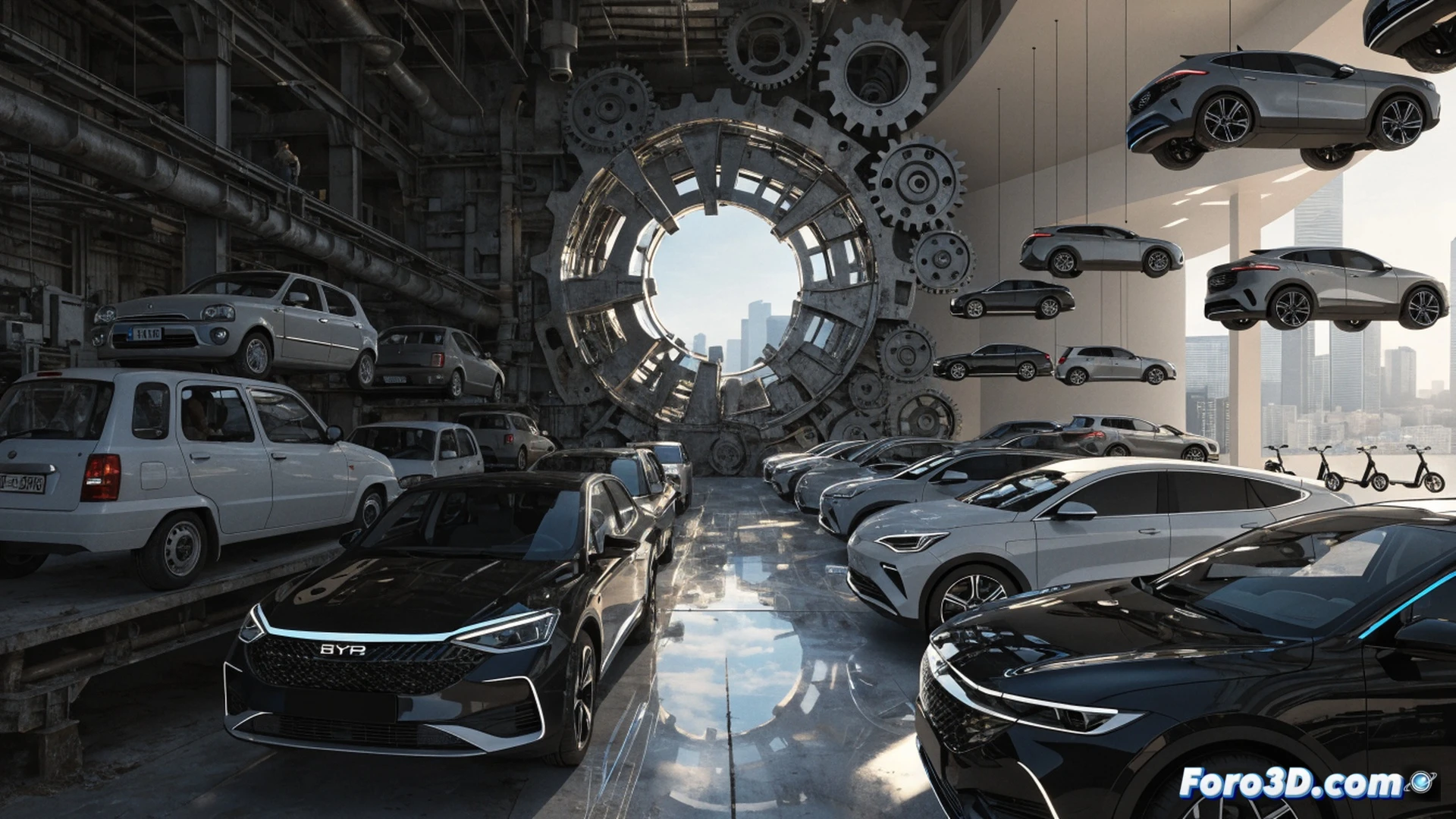
European manufacturers decided to focus on high-end models and juicy margins, abandoning the entry-level segment. That gap was filled by brands like BYD, which multiplied their sales in Europe by up to 552% in just a few years. Tariffs have not stopped this trend, leaving citizens with fewer affordable local options and growing Chinese competition.
The Chinese strategy: production efficiency and own batteries 🏭
BYD controls its entire value chain, from Blade batteries to final assembly. This allows cost reduction without relying on external suppliers. Meanwhile, Europeans subcontract key components and maintain plants with low flexibility. The result is that a Chinese electric car can cost 30% less than an equivalent one from Stellantis or Volkswagen, with similar range and more complete standard equipment.
The masterstroke: selling cheap in an expensive continent 💰
European executives believed the average customer would prefer a utility vehicle costing 30,000 euros over a Chinese one at 18,000. Wrong. It turns out people don't want to pay more for the logo of a brand that no longer manufactures in their country. Now, while Brussels debates tariffs, BYD sells more cars than Renault in some markets. Ironies of capitalism: abandoning the masses so that someone else serves them.