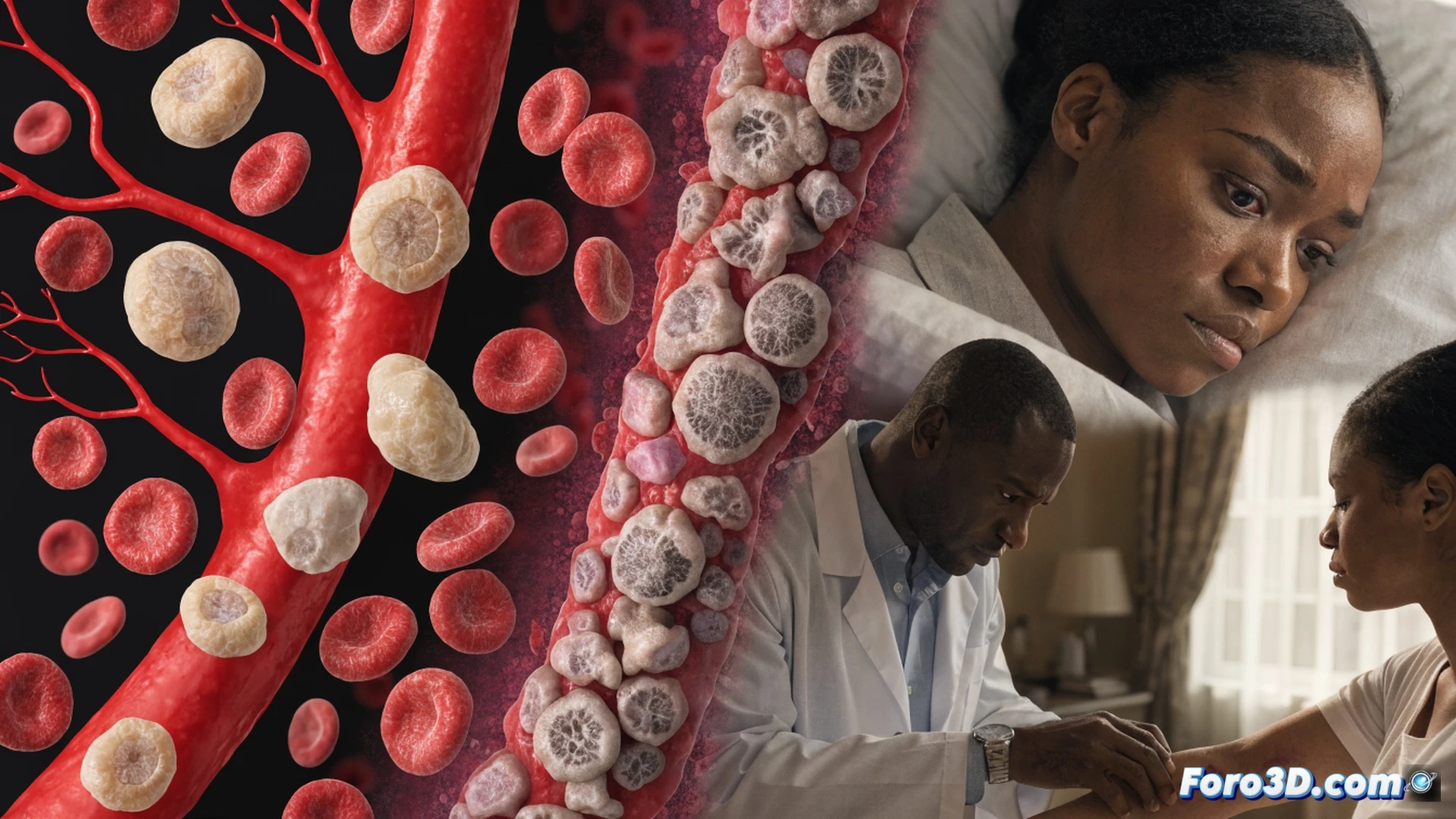
The popular British soap opera EastEnders has integrated a storyline about leukemia to raise awareness, inspired by the real story of Mphango Simwaka, a young Black woman who faced delays in her diagnosis. The disease has a higher mortality rate in Black people, highlighting the need to pay attention to signs such as constant fatigue, unexplained bruising, or recurrent infections. Knowing your own body and not settling for a single medical opinion can make a difference.
How television fiction drives the development of diagnostic tools 🩺
Media exposure of cases like Simwaka's accelerates the demand for accessible technologies for early diagnosis. In the development field, this translates into blood analysis algorithms that detect cellular anomalies with greater precision in diverse populations. It also drives apps that record symptoms and alert about risk patterns, reducing clinical bias. EastEnders' narrative not only educates but also pressures the healthcare industry to improve its protocols in historically underserved communities.
Leukemia: when the scriptwriter knows more than your family doctor 🧬
It is ironic that a soap opera has to remind us of what many doctors overlook: the symptoms of leukemia are not just for the elderly in medical dramas. If your doctor tells you those bruises are from hitting the gym too hard, but you can barely lift a grocery bag, maybe you should demand a blood test. Because yes, sometimes fiction is more accurate than reality. And no, you don't need a television drama to ask for a second opinion, but it helps.