In Chad, climate change is raising temperatures and dunes are advancing relentlessly over the oases. Farmers, who cultivate palm trees and food in these green areas, watch as the sand swallows their water sources. To curb the disaster, they have begun building barriers with palm leaves, a desperate defense against the desertification that threatens their daily livelihood.
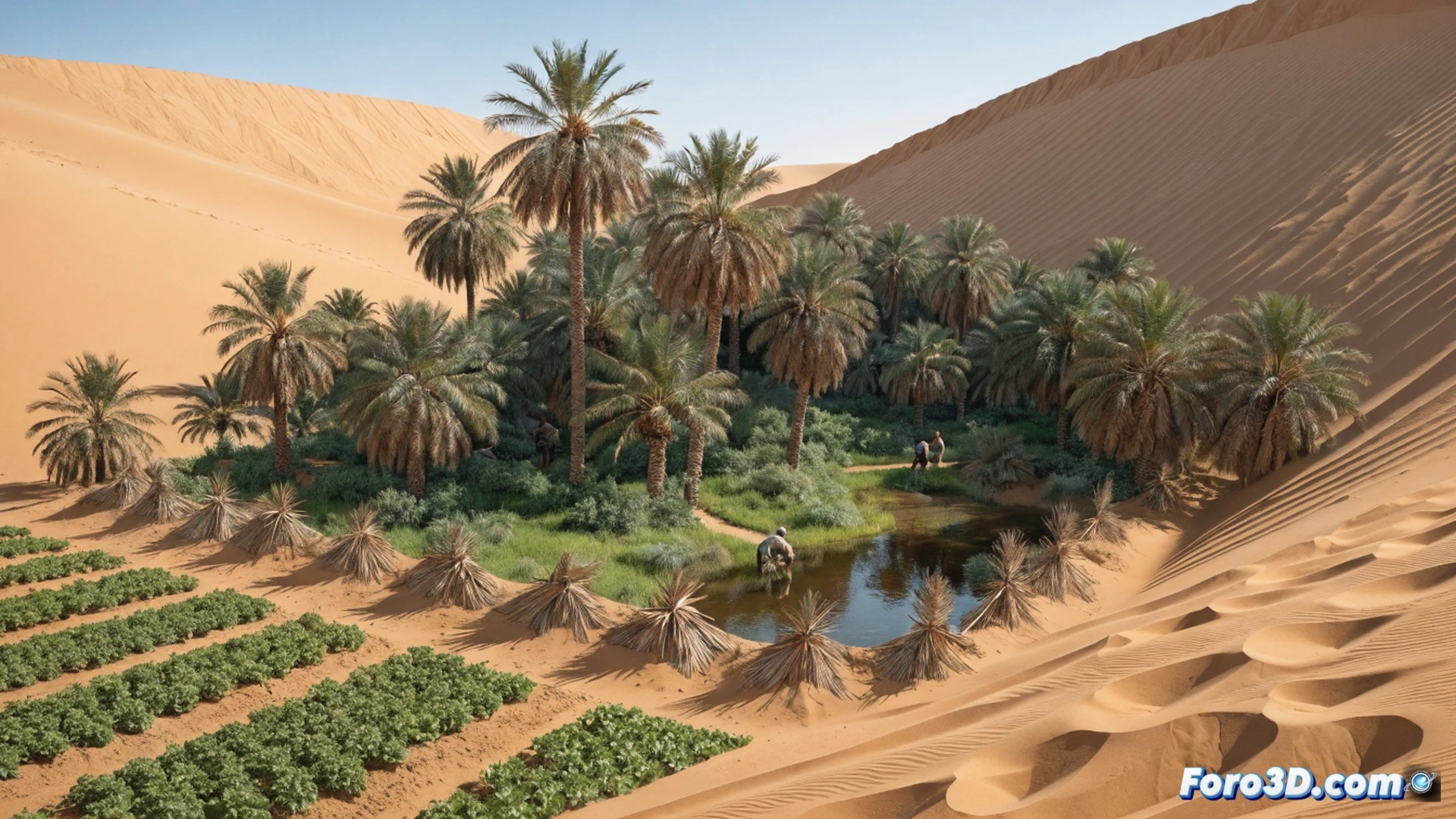
Palm barriers: ancestral technology against the desert 🌵
Farmers place palm leaves perpendicular to the wind, forming walls that retain sand and prevent it from covering crops. This method, low-cost and easy to maintain, relies on the strength of plant fibers and the creation of microclimates that reduce erosion. Although it is not a definitive solution, it buys time while alternatives such as reforestation with drought-resistant species are sought.
The oasis moves: moving to the desert, no elevator 🏜️
Farmers in Chad have discovered that their new favorite pet is the dune. It needs no water, asks for no food, and best of all, it comes to visit them on its own every morning. The palm barriers work like a nightclub bouncer: they let a few grains of sand through, but at least they prevent the oasis from turning into a Sahara theme park. Of course, if the wind blows strong, the move will be forced.