The anime series Dr. Stone has concluded its run after seven years, leaving a clear mark on the shonen genre. Instead of betting on tormented heroes and brutal fights, the plot follows Senku, a young man who rebuilds civilization from scratch using only his intelligence and scientific knowledge. This approach, which prioritizes ingenuity over violence, has captured the attention of a global audience on platforms like Crunchyroll. For viewers, it represents an entertainment option that educates and conveys hope, moving away from the usual darkness of the genre.
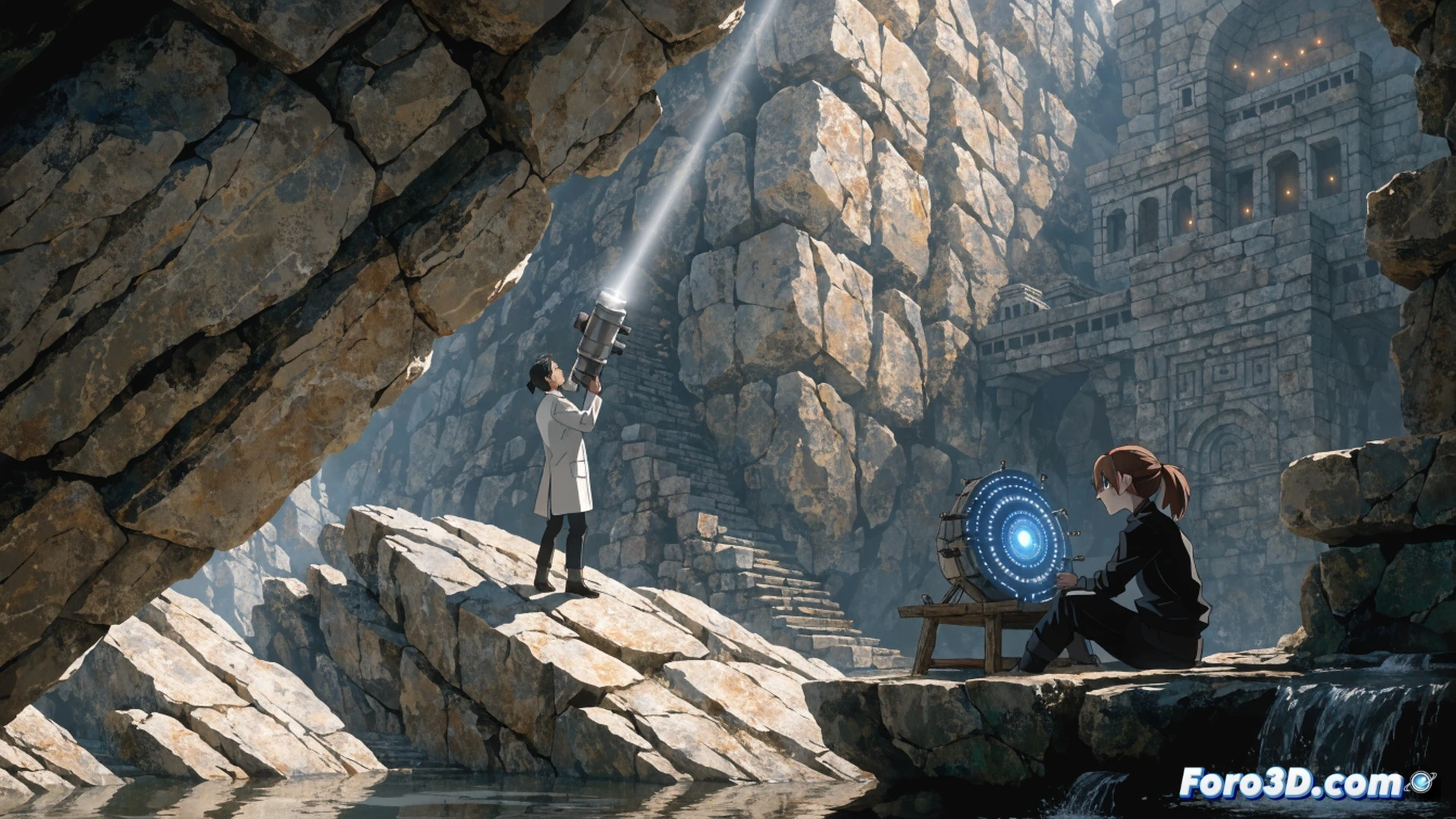
The Engine of Progress: How Science Replaces Fists 🧪
Dr. Stone not only entertains but also explains real processes like creating gunpowder, smelting metals, or producing antibiotics. Each technological advance is presented as a logical challenge, not a magical power. The protagonist doesn't win by being stronger, but by applying the scientific method and collaboration. This narrative structure changes the typical shonen dynamic: conflict is resolved with an experiment, not a punch. The series demonstrates that humanity's accumulated knowledge can be as exciting a resource as any superpower.
No Swords or Tears: The Drama of Calculating Acid Doses ⚗️
The curious thing is that, in Dr. Stone, the moment of greatest tension is not a duel to the death, but whether Senku can distill alcohol to 90% or if the homemade magnifying glass works. The villains don't threaten to destroy the world, but to monopolize knowledge. Watching a teenager shout 10 billion percent while calculating chemical reactions is as epic as any blonde hair transformation. In the end, the series proves you can break a cold sweat over a ceramic kiln and not a fatal attack. Science was never so fun.