In the era of wellness influencers, sleep advice proliferates, such as using red light or white noise. However, the science is clear: there are no magic shortcuts. Red light is only less harmful than blue light, but it does not induce sleep; total darkness is ideal. White noise only serves to mask occasional disturbances, not to improve deep rest.
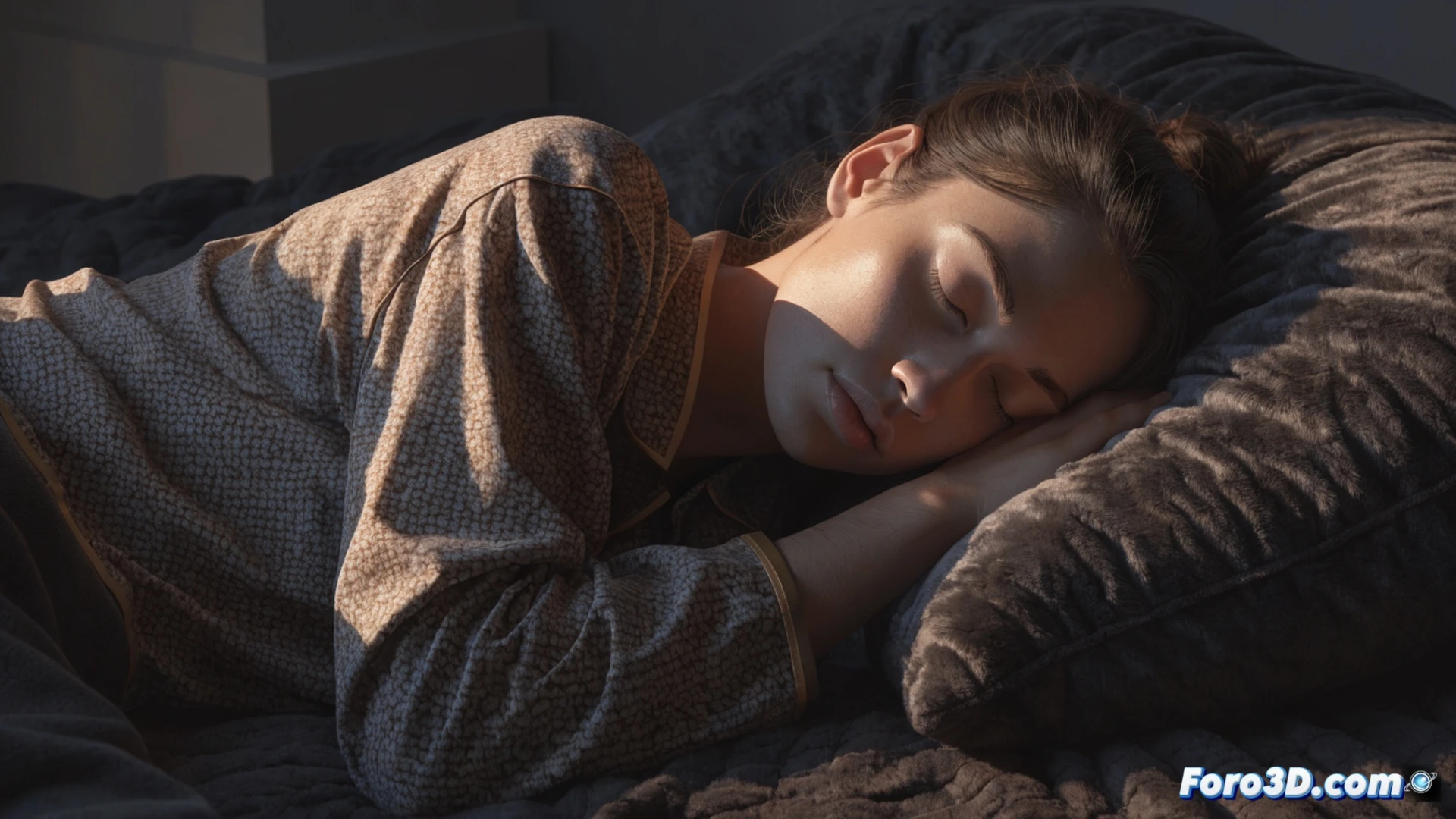
Sleep Technology: Total Darkness and Silence as the Standard 🌙
From a technical standpoint, the key lies in environmental simplicity. Our brain produces melatonin in the absence of light, especially in short wavelengths (blue). Red light, having a longer wavelength, interferes less, but it is still a light stimulus. Regarding noise, white noise masks sound peaks, but in absolute silence it can fragment sleep. The low-cost solution: turn off screens, close blinds, and avoid unnecessary sound sources.
Spoiler: Your Red Lamp Is Not a Sleep Machine 😴
So, if you've bought that 40-euro red light bulb or downloaded a white noise app, take a deep breath. No, you are not going to sleep like a baby just because the light is the color of a stoplight. Most likely, you will end up tossing and turning while your router emits a constant hum. The good news: you will save money. The bad news: you will have to turn off your phone, which hurts more than a coffee at eleven o'clock at night.