The digital patient is not a clinical file. We declare that the anatomy of the healthcare system must banish the cold aesthetic of white corridors and fluorescent lights. Our proposal: an organic, accessible 3D design focused on user experience. It's not about curing a record, but about humanizing every vertex and texture of the virtual health environment.
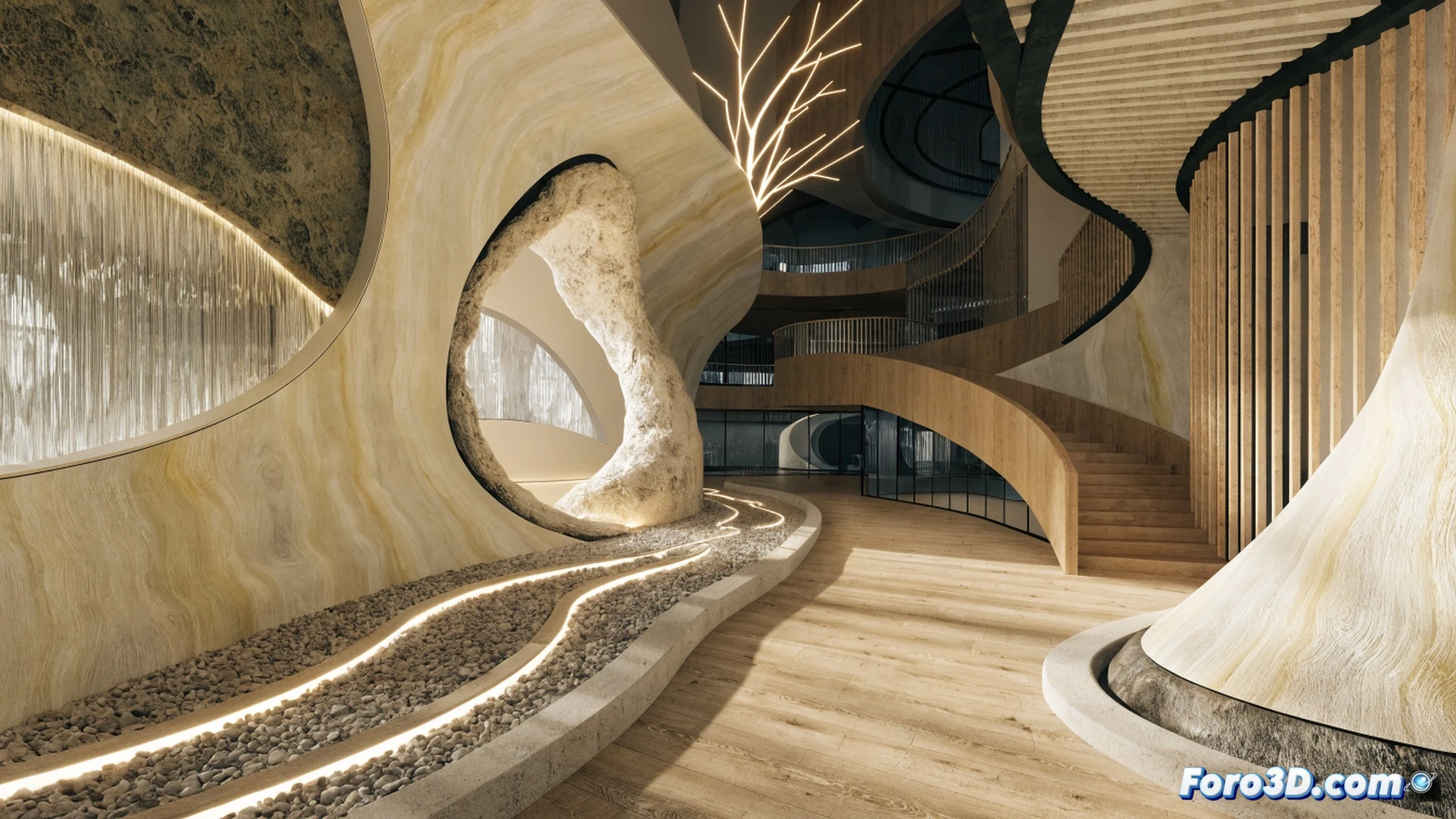
Parametric modeling and textures that mimic skin 🧬
Technical development is moving towards surfaces that respond to virtual touch. We use meshes with fluid topology that replicate the elasticity of tissues. Textures are generated with procedural noise to avoid a plastic look. Global illumination is adjusted to warm sources, not fluorescent tubes. The goal: for the user to feel they are entering a living space, not an eighties waiting room.
The digital scalpel now also has heating 🔥
Finally, 3D models no longer look like wax museum pieces. Our virtual kidneys are no longer gray and boring: they have pores, veins, and a color that isn't scary. And the best part: the digital patient can complain if the environment feels cold to them. Although, let's be honest, no one has yet managed to get a 3D model to ask for a blanket. But we're working on it.