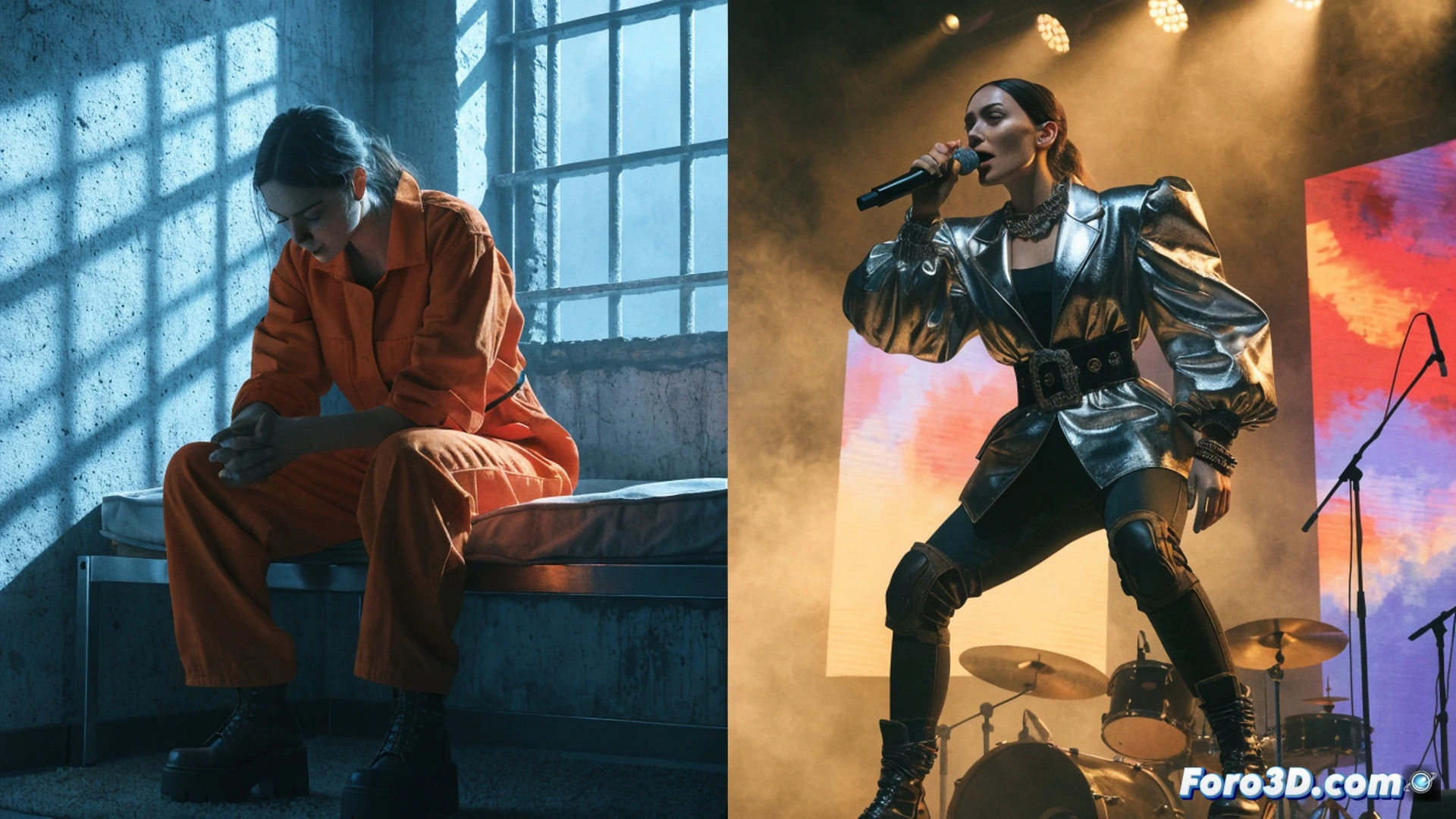
Russian singer Diana Loginova, imprisoned in 2025 for performing songs critical of Putin, managed to escape Russia and perform at the Outloud festival in Warsaw. Her case highlights how political repression limits artistic freedom and forces creators to flee their country in order to express themselves without fear of reprisals.
How digital censorship accelerates the migration of artists 🎭
The persecution of Loginova is not an isolated incident. Russia has intensified control over platforms like YouTube and Telegram, blocking critical content and tracking users. For artists, this means using VPNs, foreign servers, and decentralized networks to bypass surveillance. Loginova's escape relied on a network of contacts that coordinated her exit using encrypted channels, demonstrating that cultural resistance survives thanks to technical tools that circumvent state blocking.
Putin's new tour: artists on the run and without a visa 🎸
It seems the Kremlin has launched an unofficial tour for musicians: leave the country or stay silent. Loginova chose the first option, and her concert in Warsaw had more security than a NATO summit. The funny thing is, while the Russian government claims to defend traditional values, its methods manage to turn even the most apolitical guitarists into cryptography experts to escape.