We analyze in 3D the qualities that define Devon Conway in cricket. His compact technique and ability to read the length of the delivery early are key. This article breaks down, from a technical approach, how his positioning and wrist use generate unique angles to find gaps in the field.
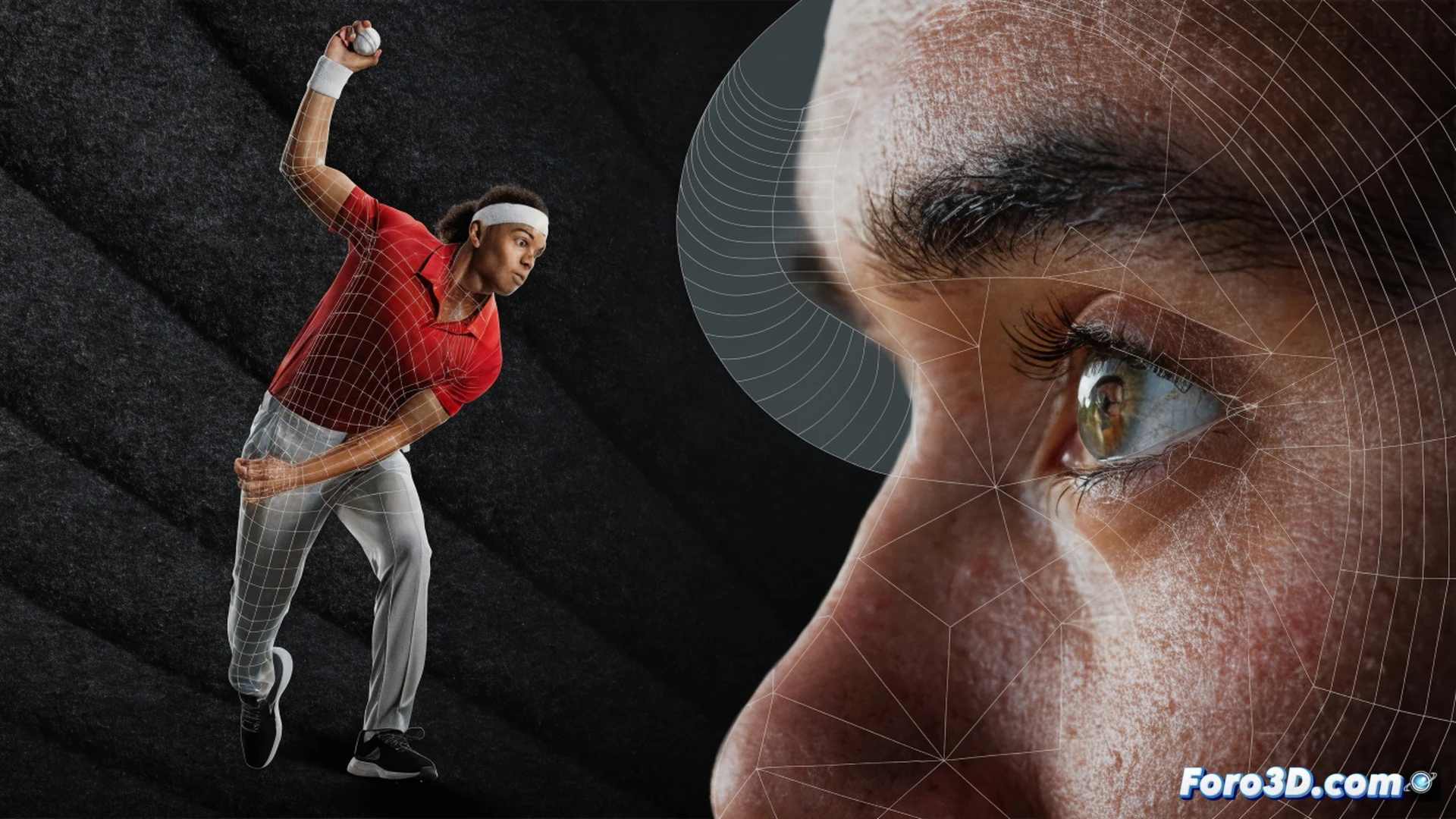
Biomechanical mapping of footwork and precise timing 🏏
The 3D model reveals a low and stable center of gravity. Conway does not step back; he transfers weight with a synchronized forward stride. His head remains still, aligned with the vertical axis. The wrist acts as a flexible hinge, allowing him to deflect the ball towards third man or rotate the bat to strike towards the leg side. Visual anticipation, measured in milliseconds, compensates for his limited running speed.
The mystery of the bat that never deviates (or almost never) 🤔
Science says his swing plane is consistent. Reality says that sometimes the ball finds the wicketkeeper's glove with GPS precision. Opponents try to bombard him with short deliveries. The 3D analysis shows he simply moves his head and waits. It is as if the bat had a hidden magnet, although the manufacturer swears it is only wood and skill.