The offset in Augmented Reality, known as drift or jitter, represents the discrepancy between the physical world and the overlaid digital objects. This phenomenon breaks the illusion of immersion and causes visual fatigue in the user. Its causes are technical and originate from the system's inability to synchronize the perception of the environment with the rendering of graphics in real time.
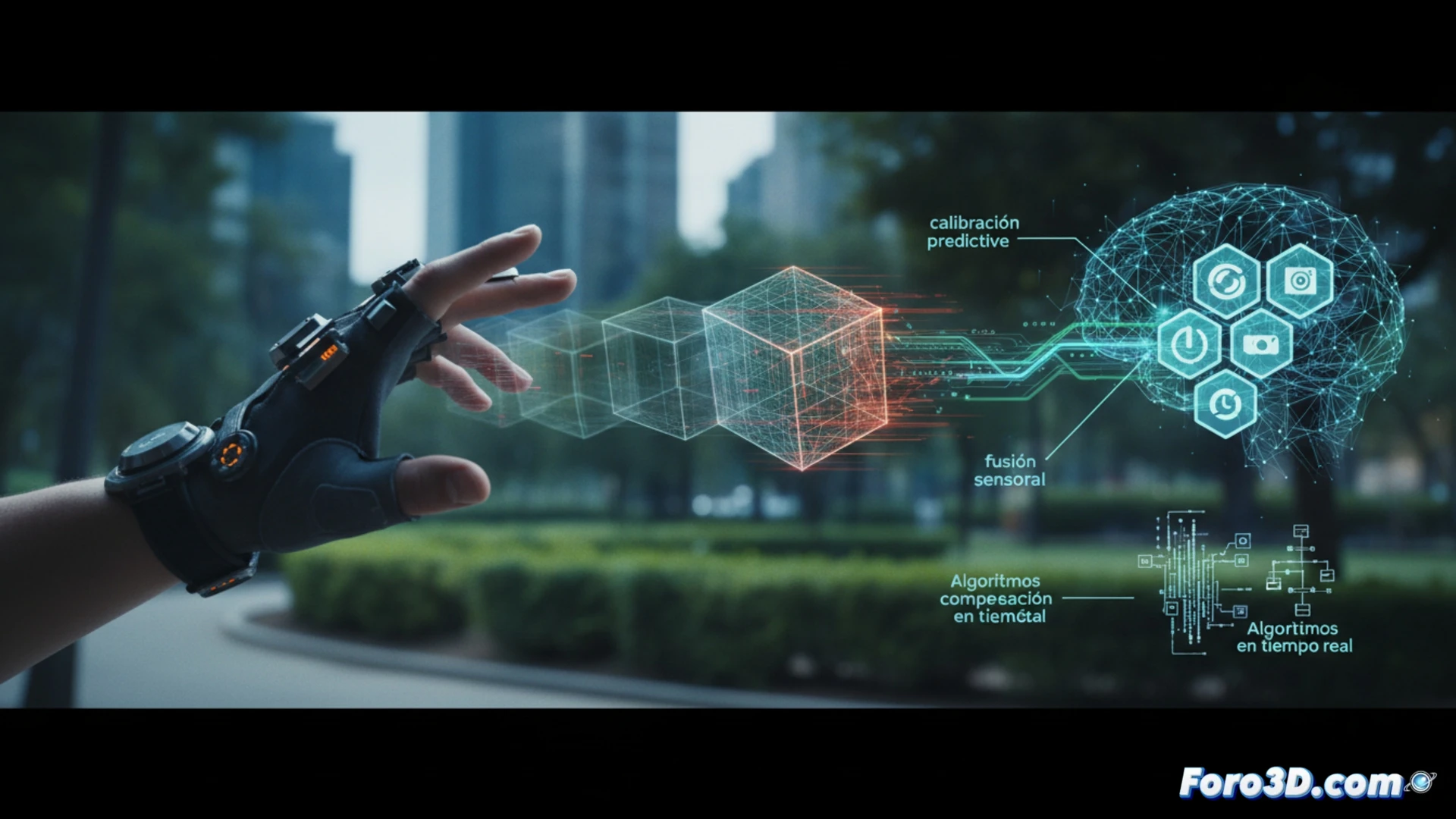
Causes of Offset: Latency and Occlusion 🧩
Latency is the main enemy of stable AR. A delay of just 20 milliseconds between the camera movement and the virtual object update generates a noticeable offset. Added to this is poor calibration of inertial sensors (IMU) and poor occlusion management, where a virtual object should be hidden behind a real one but is incorrectly superimposed. In sectors like industrial maintenance, this error can lead to poorly positioned instructions, causing operational failures. In retail, it prevents the customer from correctly visualizing a piece of furniture in their living room, ruining the shopping experience.
The Path Towards Convincing AR 🚀
Current solutions focus on SLAM (Simultaneous Localization and Mapping) systems and sensor fusion (camera, gyroscope, and accelerometer) to predict movements and compensate for latency. The future points to edge computing and the use of 5G networks to reduce latency to nearly zero. Only when the offset becomes imperceptible can AR be naturally integrated into our daily workflows, from remote assistance to pedestrian navigation.
What current technical solutions, such as the use of inertial sensors combined with visual SLAM or prediction via Kalman filters, manage to reduce drift and jitter in Augmented Reality systems for real-time applications?
(PS: AR applied to maintenance lets you see where the fault is... before the machine explodes.)